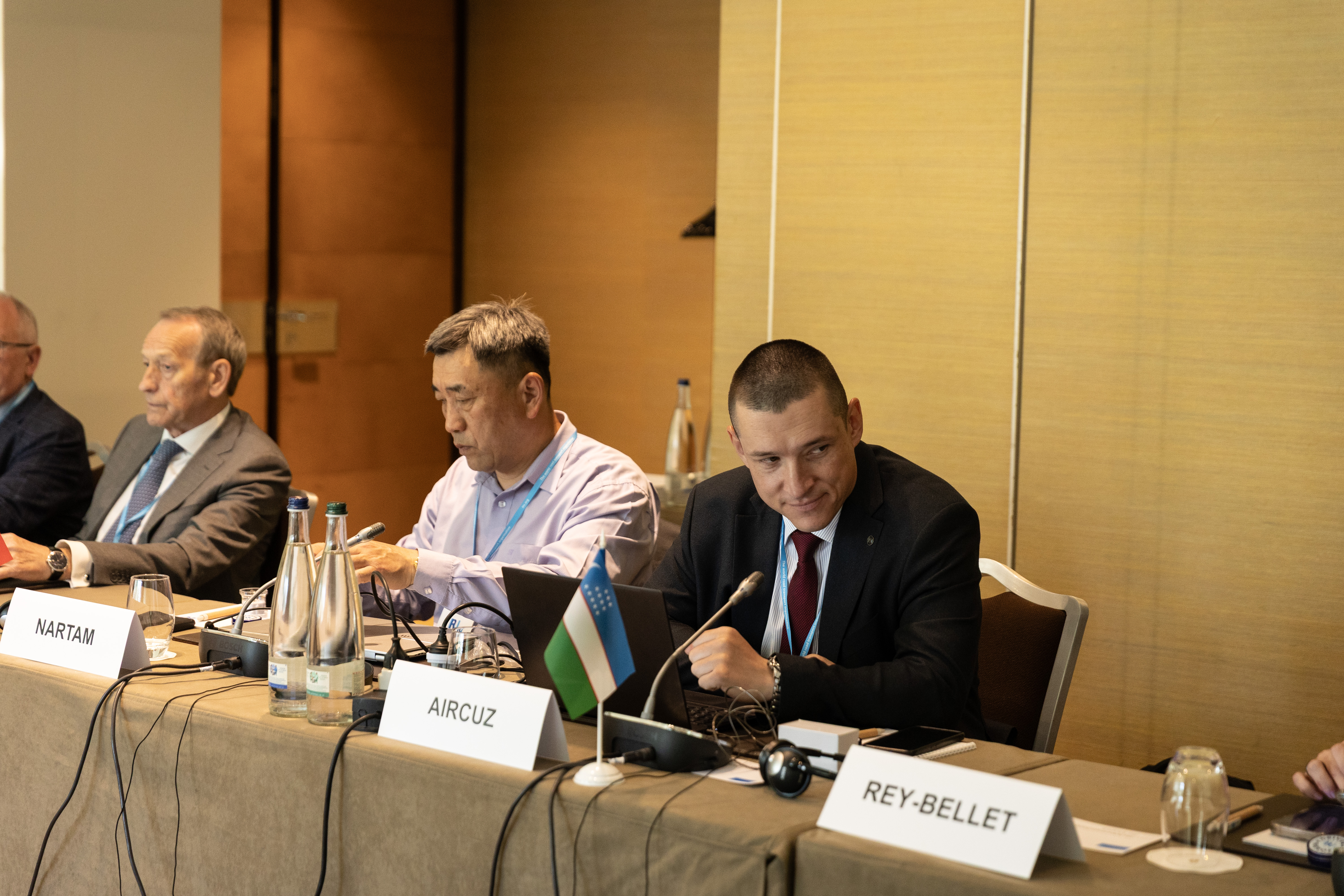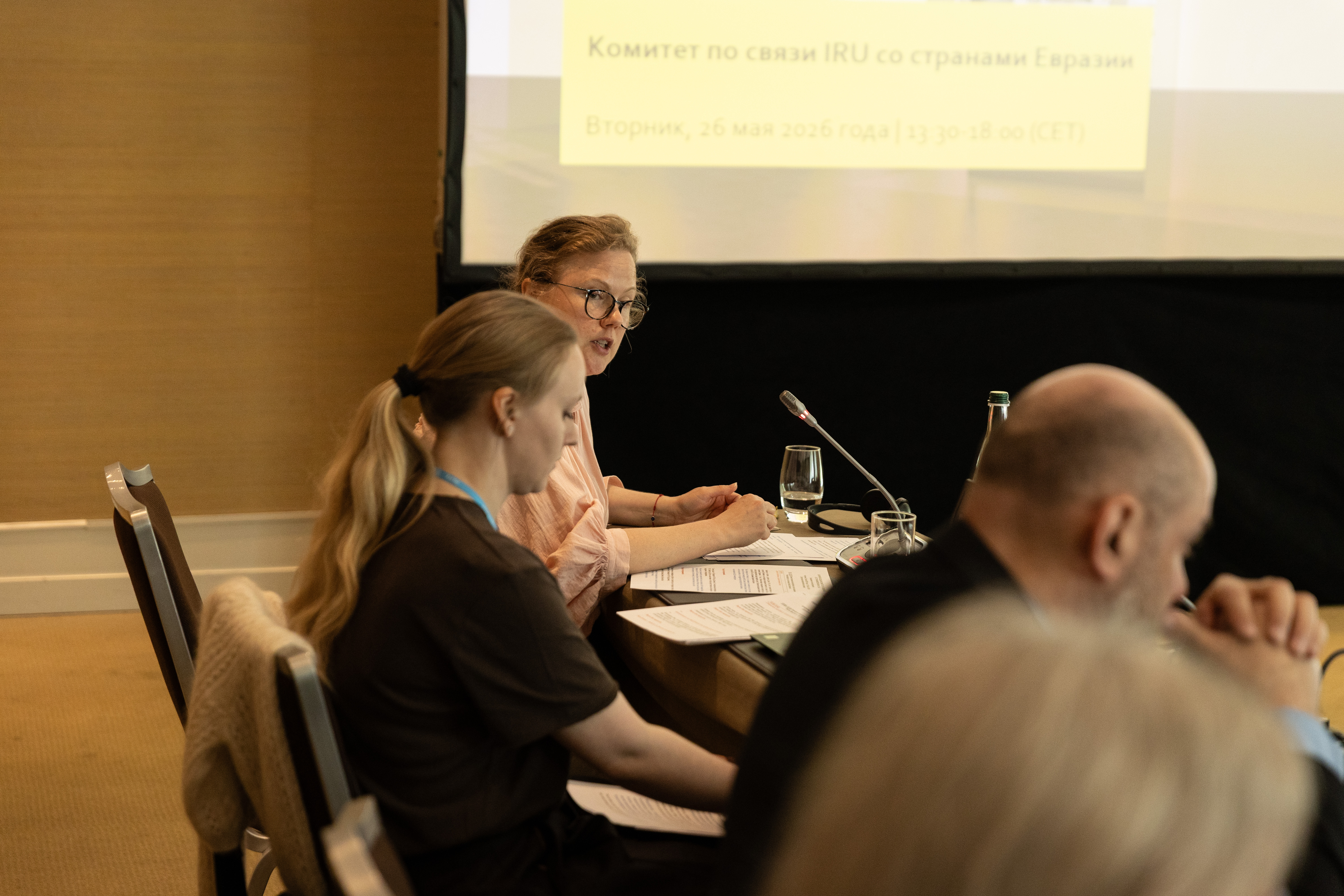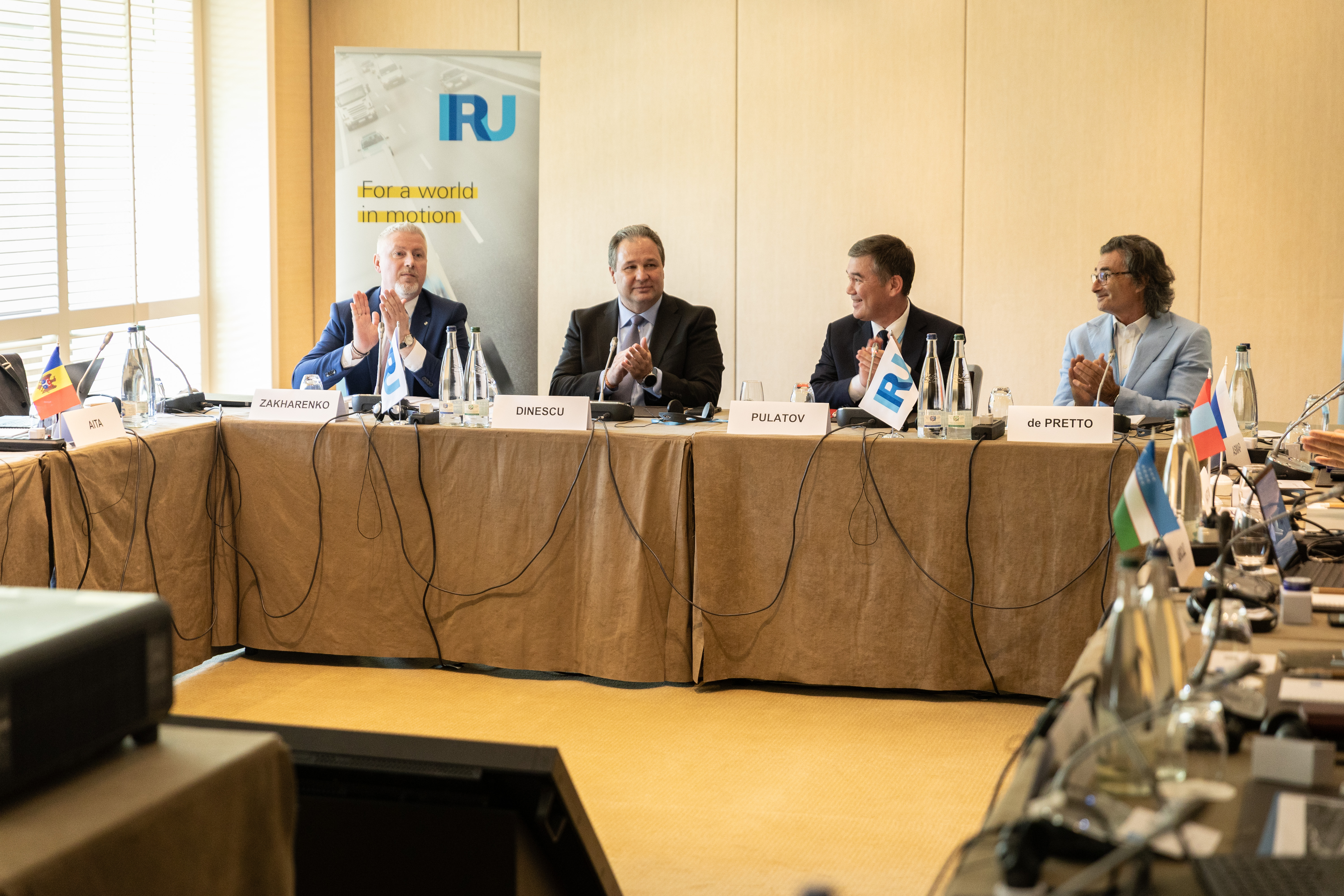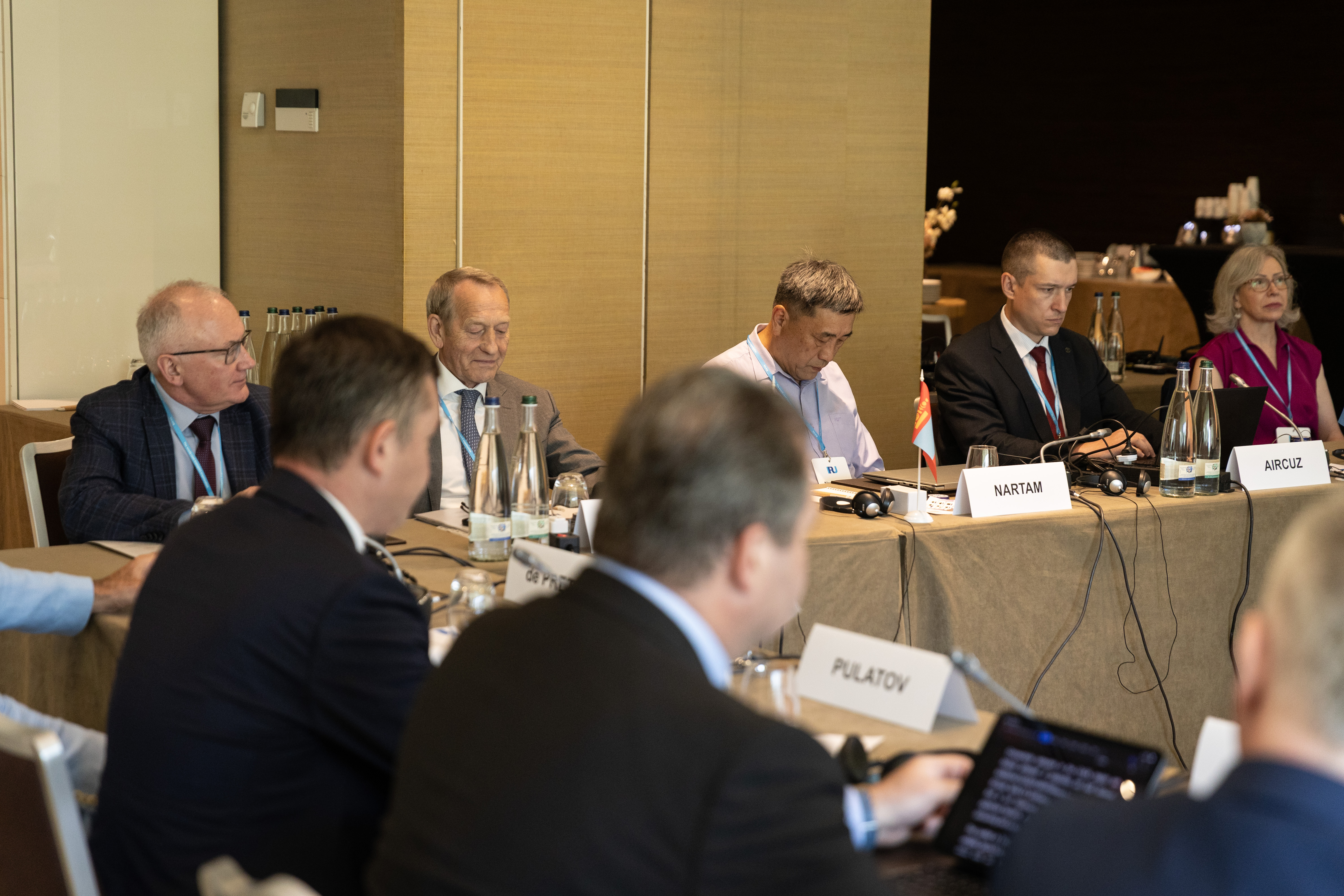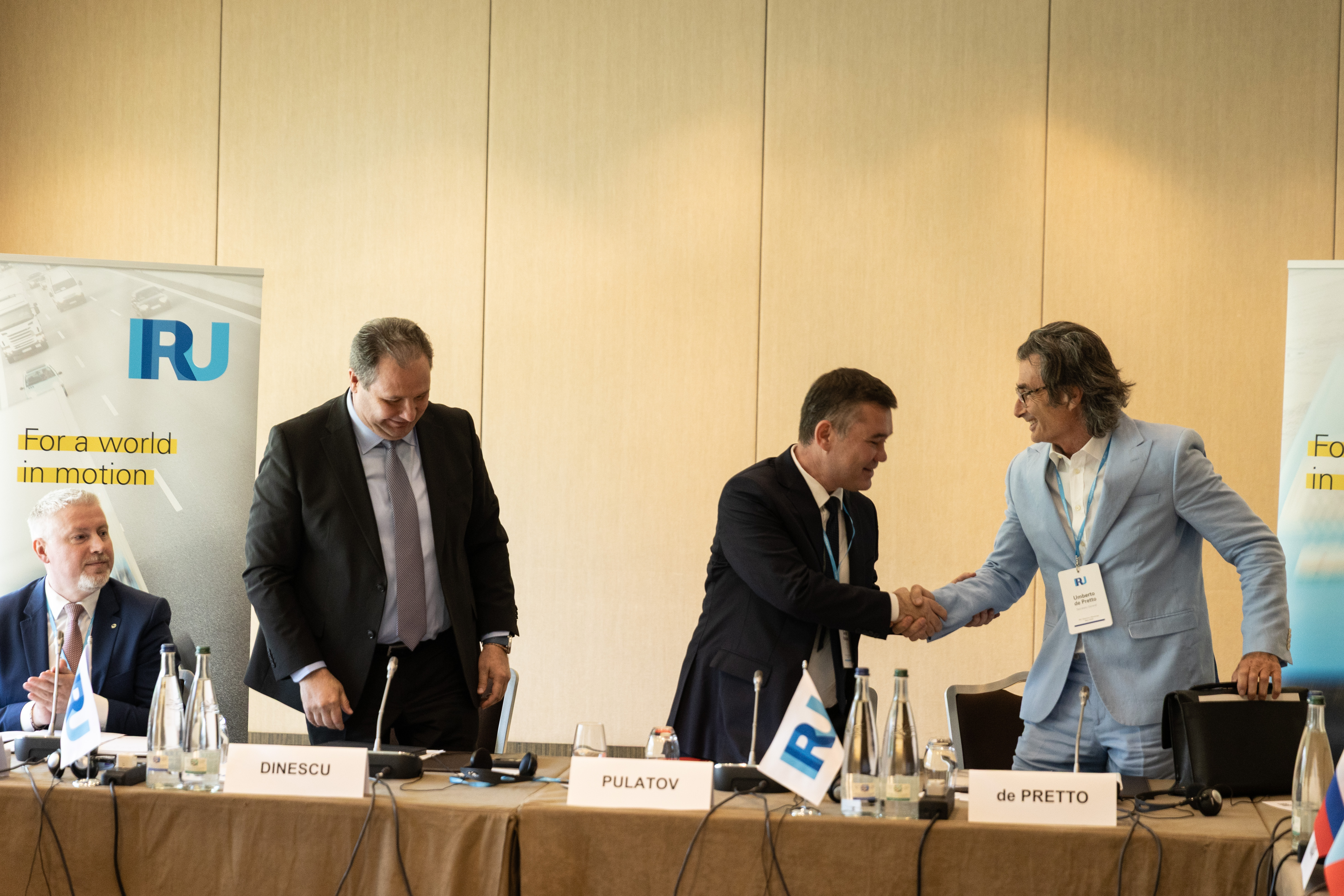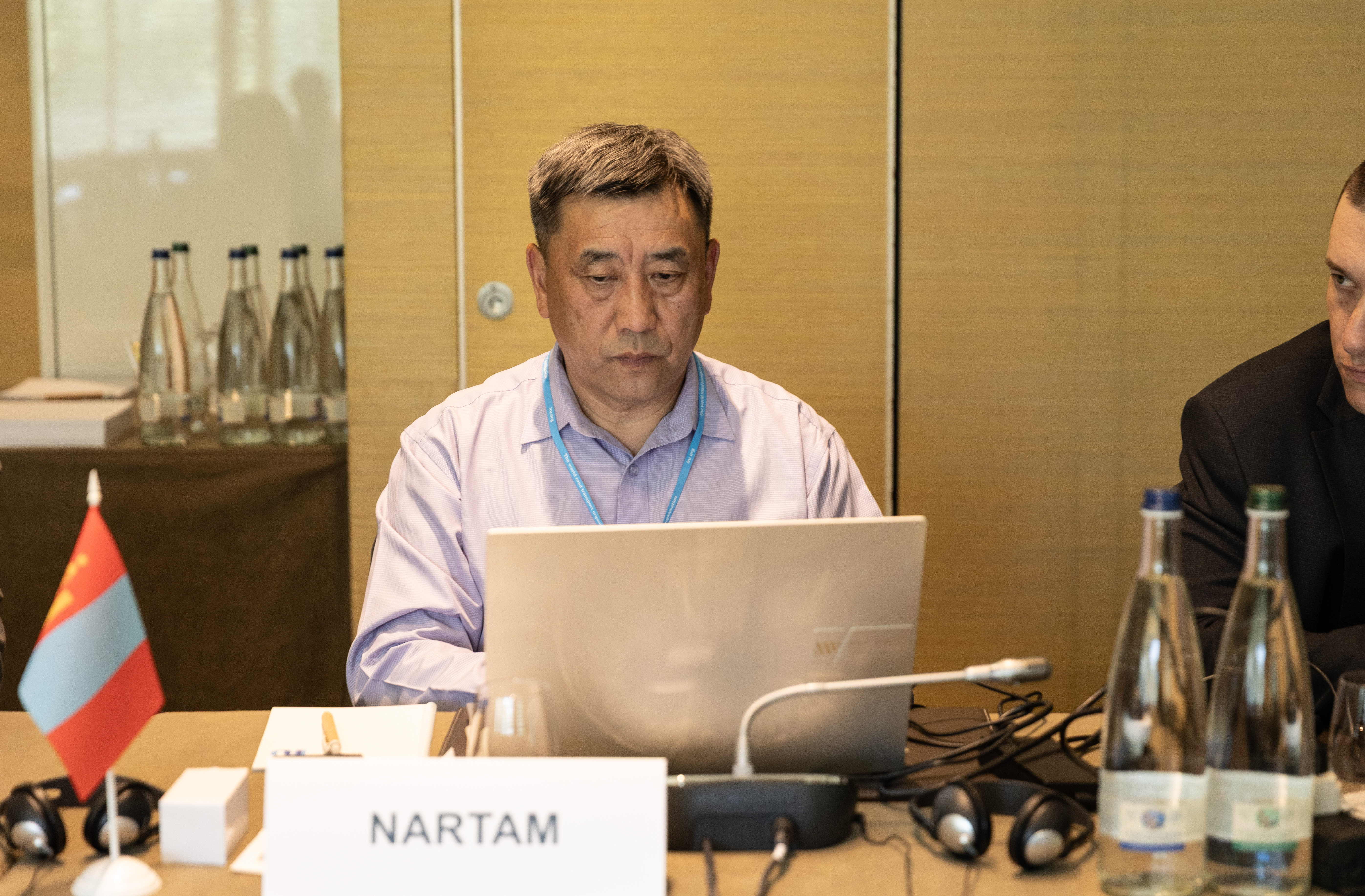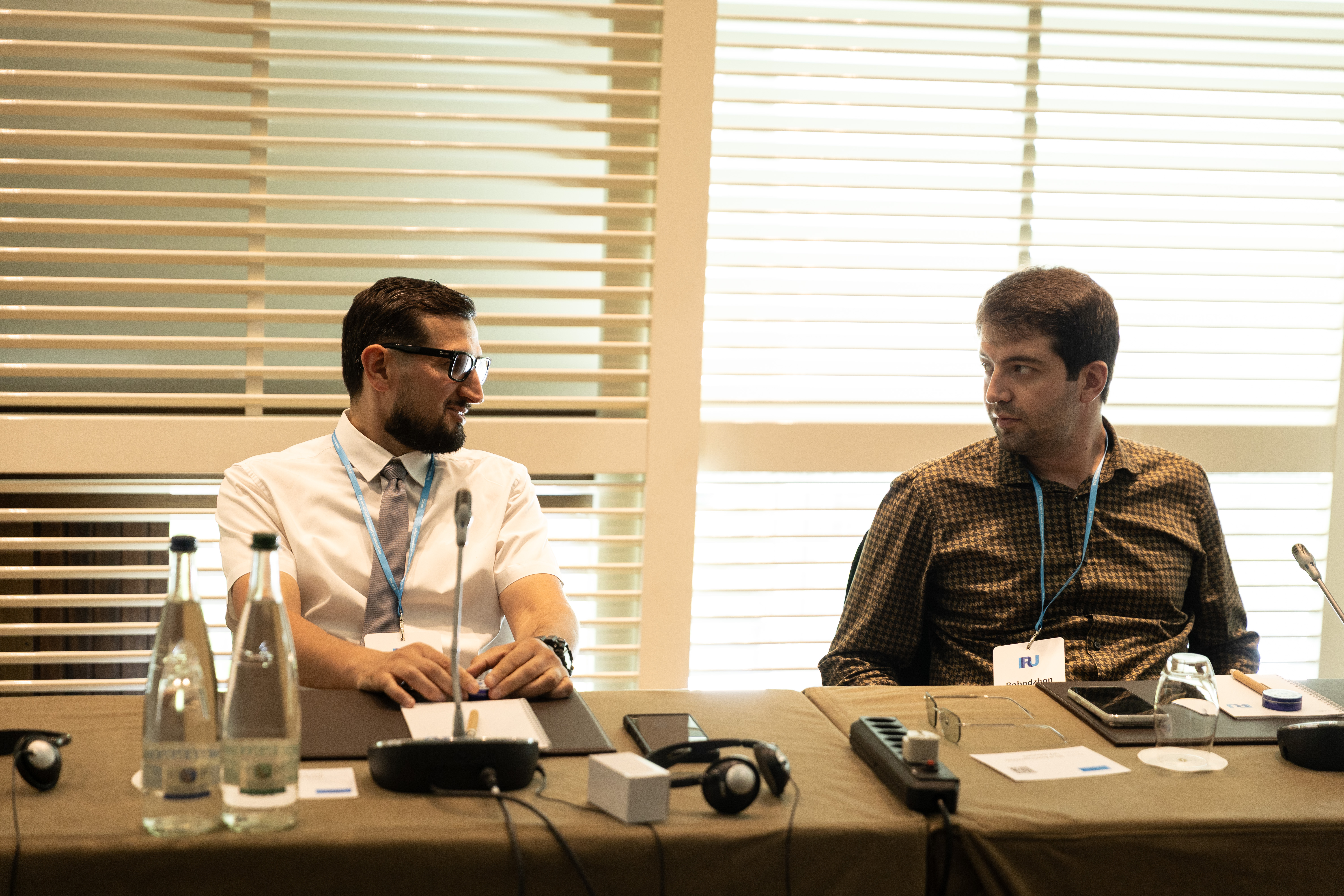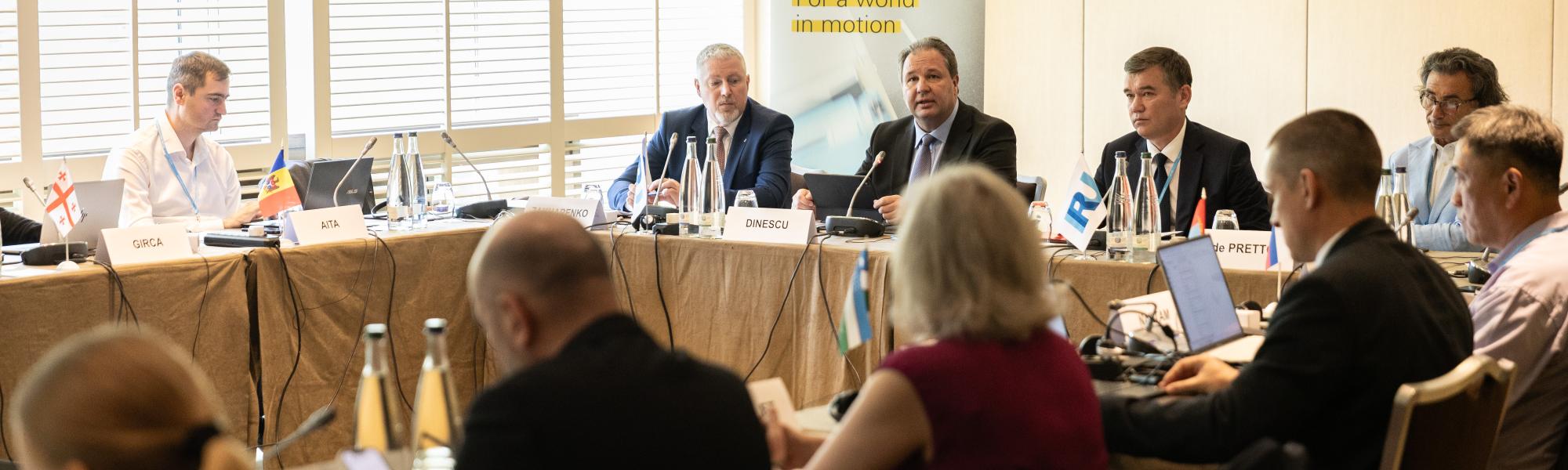
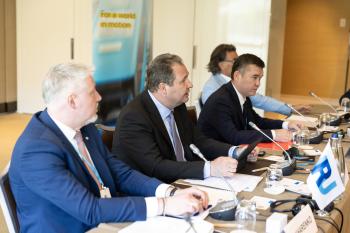
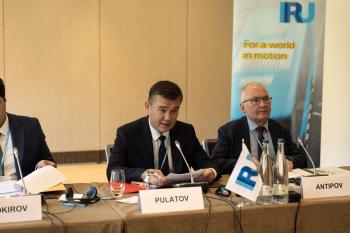
Eurasian road transport leaders met at the IRU Liaison Committee to Eurasia (CLEA) meeting in Geneva, Switzerland, last week to discuss current operational issues and recent customs and transport developments in the region.
Eurasian overland connectivity spans several corridors, each facing its own operational pressures and opportunities.
Furthermore, the war in Iran, which has led to high and volatile fuel prices, poses both an immediate and longer-term challenge. Fuel accounts for at least 30% of total freight costs.
Challenging times underscore the irreplicable role of road transport in keeping economies moving. In his opening statement, IRU President Radu Dinescu said, “Resilience is no longer a planning concept; it is an operational imperative. We have all seen it during Covid-19, conflicts and natural disasters.”
“The TIR system remains extremely important for Eurasia, helping operators navigate this constantly changing landscape and deal with shocks, thus keeping trade moving,” he added.
During the meeting, the participants analysed new TIR scenarios, notably its expansion in China to bonded cargo and all e-commerce commodities. These rapidly growing segments can now benefit from TIR and avoid lengthy and costly procedures.
Creating favourable conditions for completing TIR formalities in key cargo-consolidation areas near China’s borders would further remove bottlenecks and unnecessary intermediary services. The full reintegration of TIR-EPD with Kazakhstan’s national customs IT system would also enhance operational efficiency.
Eurasian transport links are broadly seen as multimodal corridors. Therefore, working with a wide range of partners will pave the way for seamless operations combining different modes of transport. The first intermodal transport from China to Uzbekistan, combining a rail leg in China with a subsequent switch to road transport, showed the feasibility and value of intermodality under TIR.
Digitalisation advances
Digitalisation remains firmly in the spotlight of CLEA members.
CLEA President Sanjar Pulatov, who is also Chairman of IRU member AIRCUZ, the top issuer of TIR carnets globally, said: “Today, many countries in our region are at the forefront of innovation, making the transition to eTIR a reality.”
“With the first eTIR operations already conducted between Tajikistan and Kyrgyzstan, and more in the pipeline, CLEA is very close to launching a number of fully operational eTIR corridors,” he added.
The participants also discussed recent developments related to eCMR operationalisation, placing particular emphasis on ensuring interoperability among eCMR solutions. They also stressed the importance of eCMR preserving its legal value across different geographies and jurisdictions.
Driving and rest times
CLEA members raised concerns about the ongoing challenges surrounding the UN AETR Agreement, the European Agreement Concerning the Work of Crews of Vehicles Engaged in International Road Transport, and the lack of progress in aligning its provisions with EU regulations. This has led to multiple driving and rest time regimes, which could make it difficult, or even impossible, for international operators to enter certain countries if their vehicles’ systems are incompatible with local requirements.
New certification scheme
CLEA members were also introduced to a new IRU certification scheme as a strategic response to evolving industry realities and growing international needs. The updated scheme has three levels of certification: completion, competence and professional competence, reinforcing local relevance and international credibility.
This flexible, harmonised and internationally recognised professional qualification framework for the road transport sector supports both national implementation and international recognition of qualifications, helping governments, operators, training providers and professionals operate in increasingly interconnected labour markets.
About CLEA
IRU's Liaison Committee to Eurasia, also known by its French acronym, CLEA, focuses on the promotion of TIR, sustainable transport, infrastructure development and transport links between Europe and Asia, bringing together industry leaders, professionals and experts from IRU members in the region.