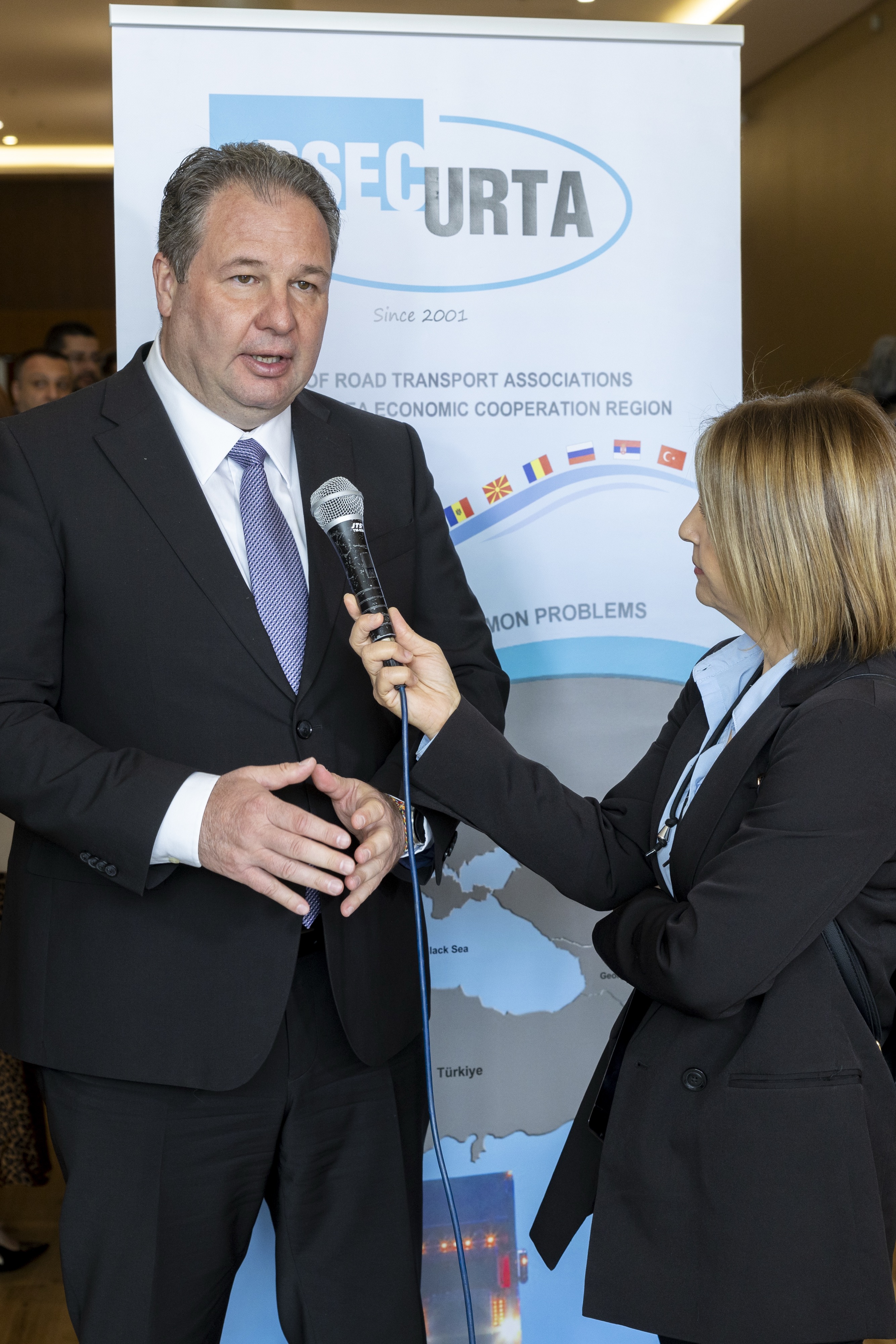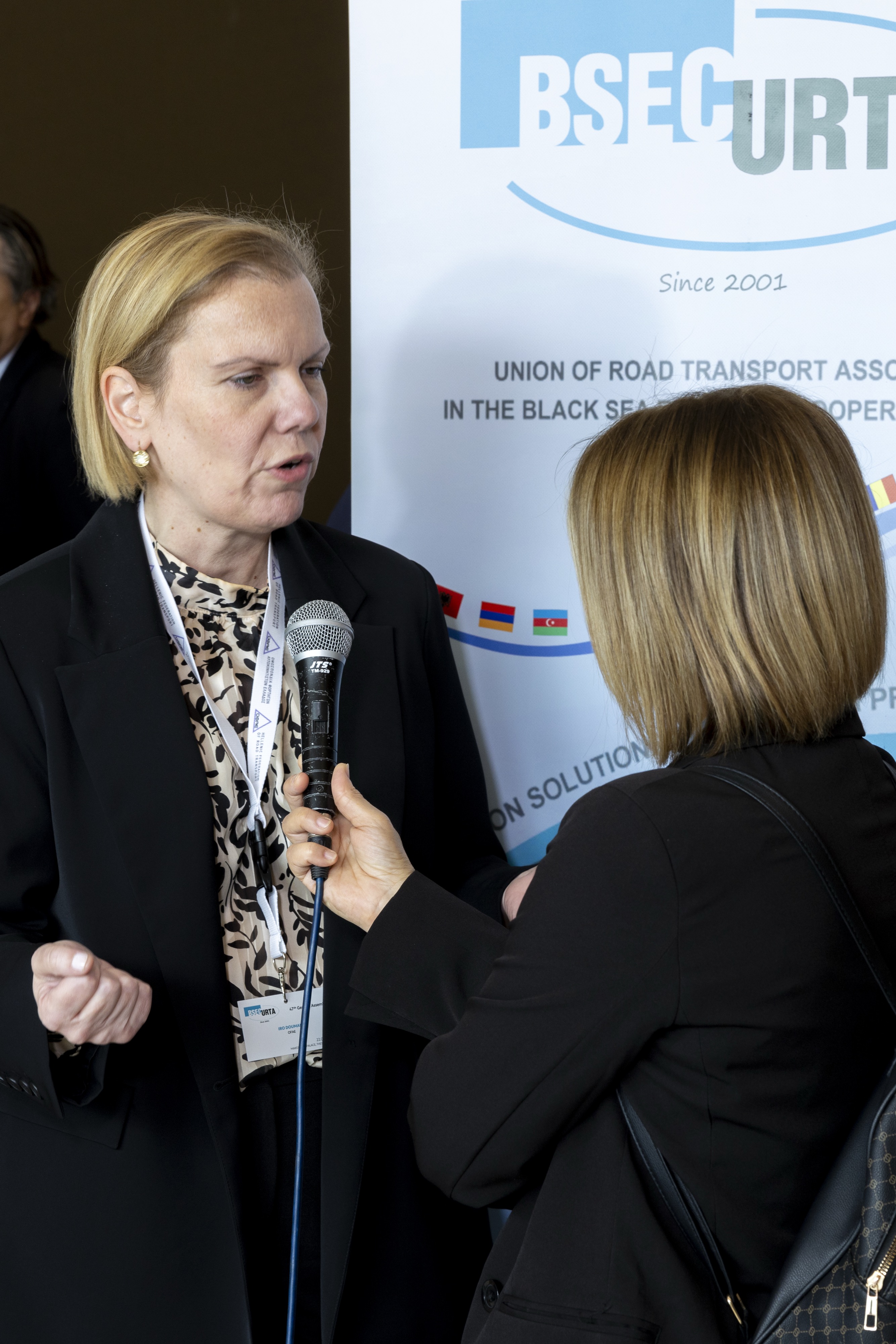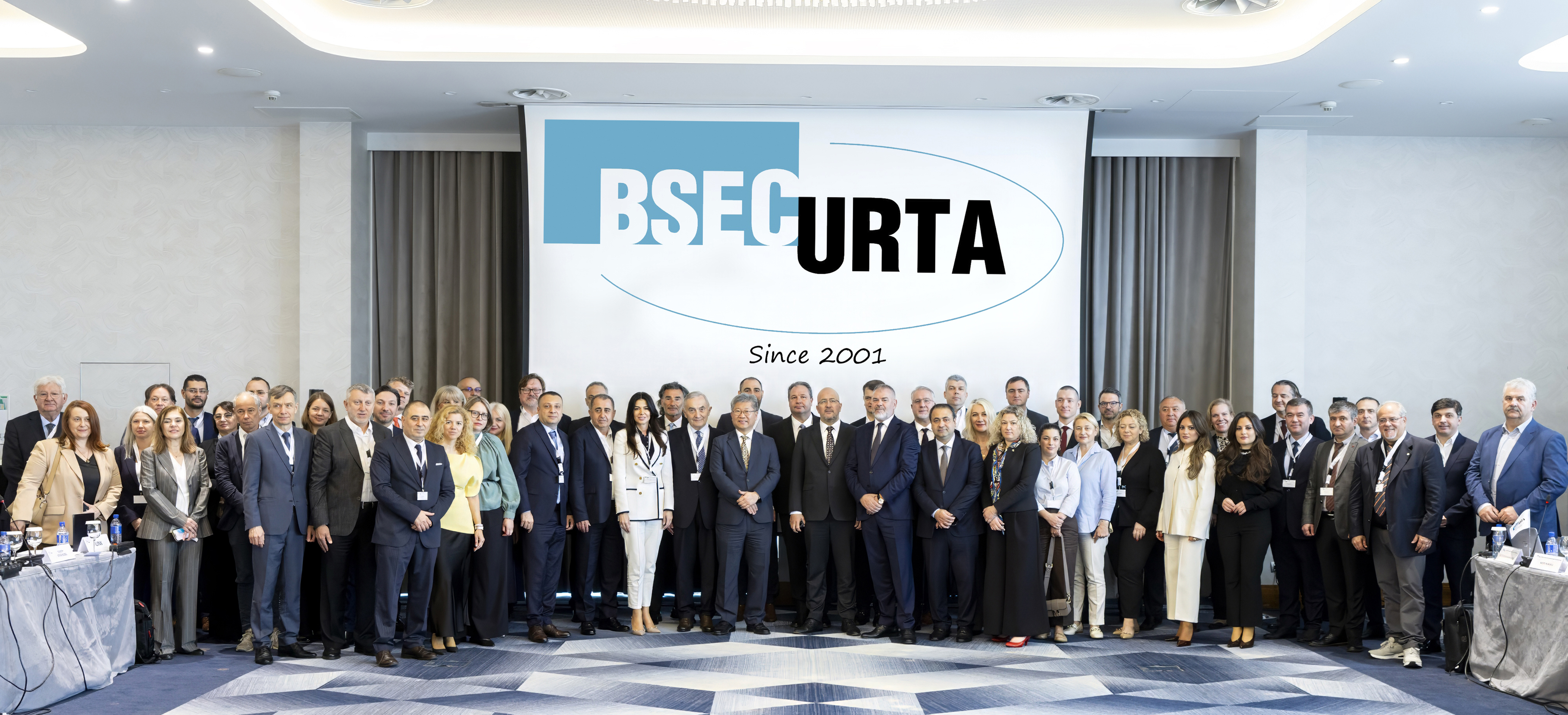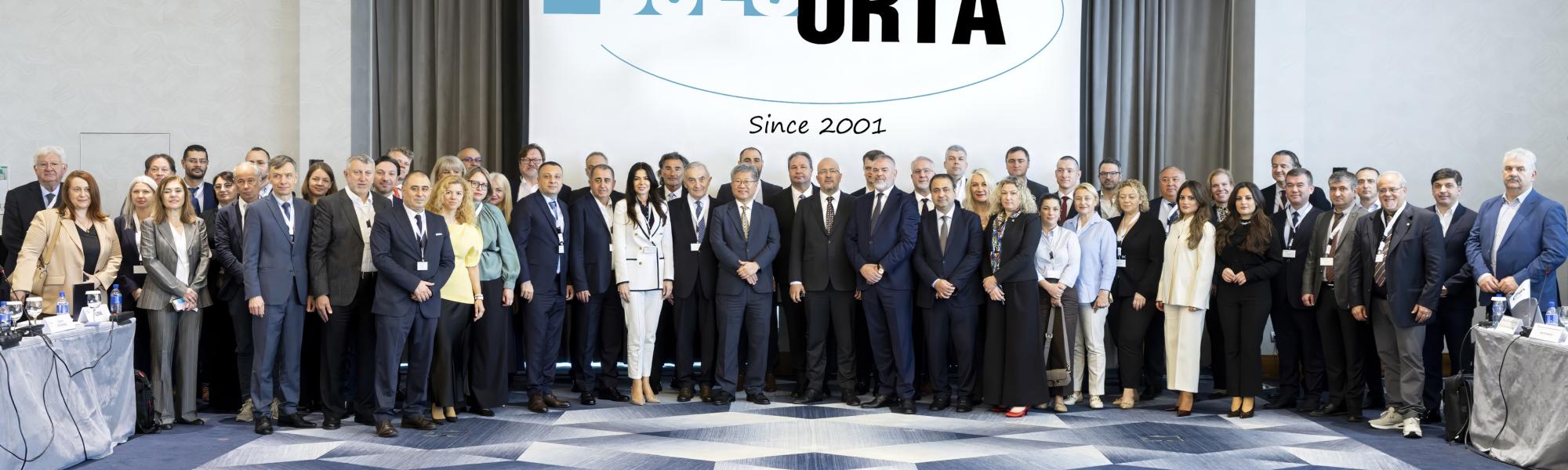
At BSEC-URTA’s 47th General Assembly, transport leaders and industry representatives highlighted the growing strategic importance of the Black Sea region as a key bridge connecting Europe, the Caucasus, Central Asia, the Middle East and the GCC region.
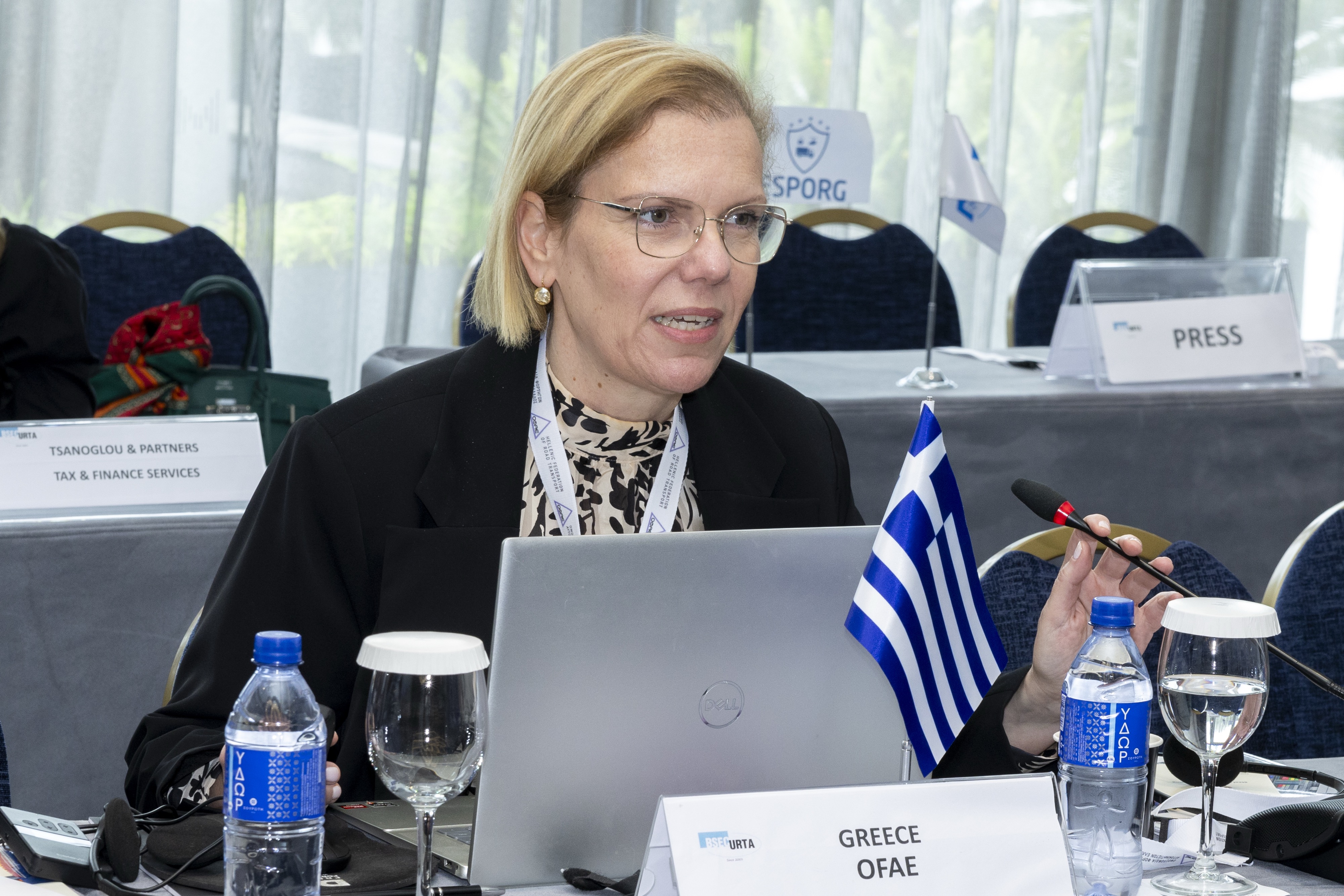
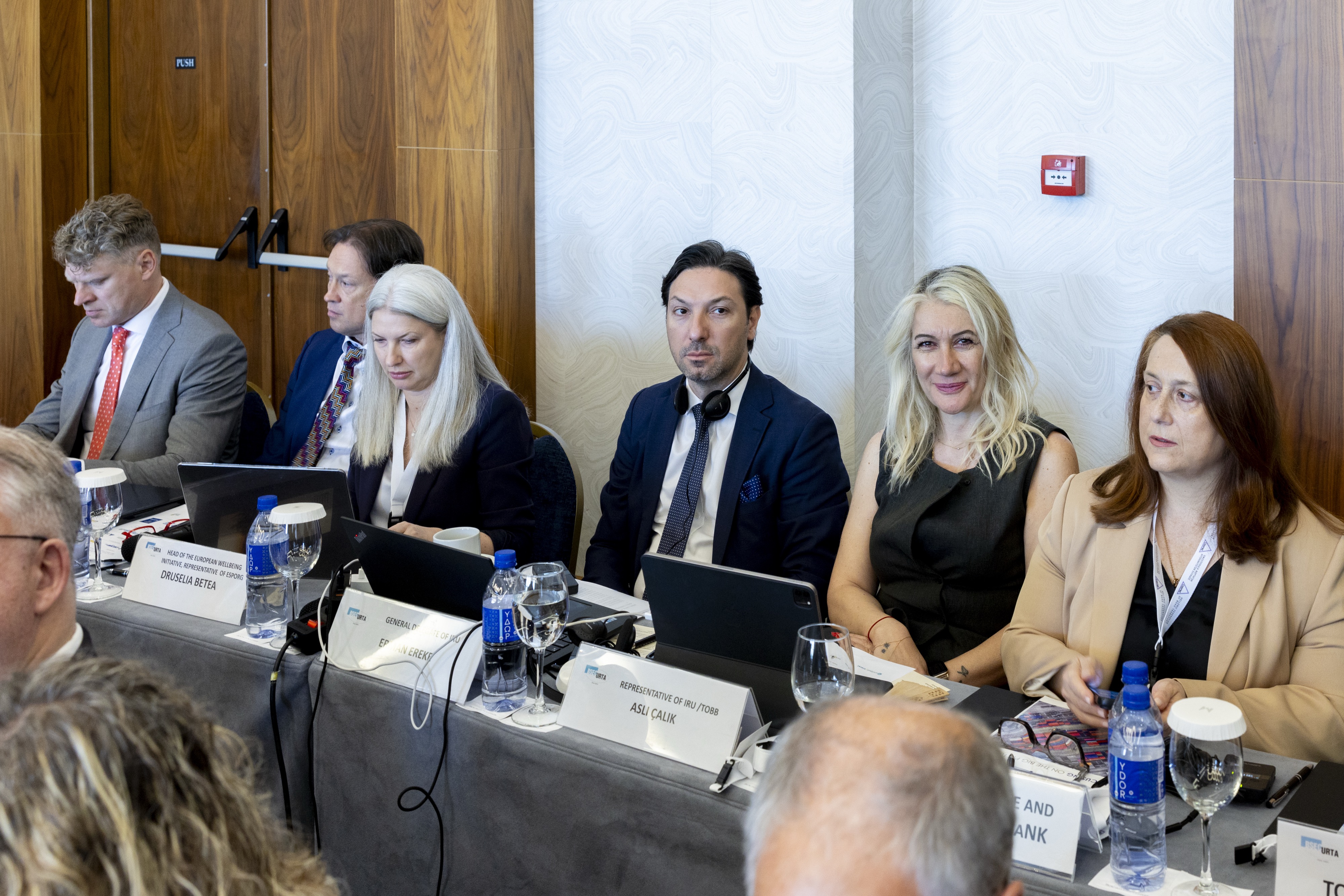
Hosted by IRU member OFAE in Thessaloniki, Greece, BSEC-URTA’s 47th General Assembly focused on transport connectivity, digitalisation, border crossing facilitation, sustainability and the operational challenges facing transport operators across the wider region.
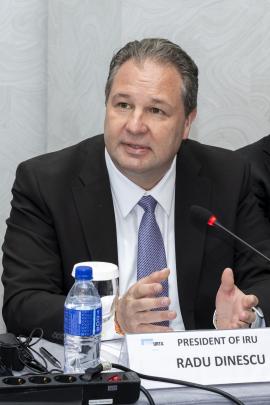
Opening the General Assembly, IRU President Radu Dinescu stressed that geopolitical tensions, rising fuel prices, driver shortages, border crossing difficulties and visa issues continue to put pressure on transport operators throughout the region. Stronger regional cooperation, smarter border management and practical facilitation measures are needed to ensure resilient and efficient transport operations.
IRU Secretary General Umberto de Pretto outlined how the Black Sea region has transformed over the past three decades into one of the world’s most important transport and logistics bridges. He highlighted the growing importance of the Middle Corridor, new transport opportunities via Iraq, and strengthened GCC connectivity amid ongoing regional disruptions.
Both IRU leaders underlined the importance of digitalisation initiatives such as TIR-EPD, eTIR and eCMR in reducing waiting times, improving transparency and making transport operations more predictable and efficient across the region. IRU also reiterated its support for coordinated border management, risk-based controls and TIR Green Lanes to facilitate smoother border crossings.
Special attention was given to recent developments in the Middle East and the growing role of the TIR system in reinforcing regional connectivity. For example, nearly 2,000 TIR operations were carried out via Iraq during the first year after the system became operational.
New transport corridors and pilot operations across the Middle East are significantly reducing transport times and costs between Europe and GCC countries.
Examples highlighted during the meeting included:
- Transport from Türkiye to Kuwait completed in around four days instead of nearly one month by maritime routes
- Europe to the UAE in around ten days by TIR truck compared to 35–40 days by sea and multimodal transport
- Benefits of TIR Green Lane between Saudi Arabia and the UAE that cut border crossing times from 2-3 days to 4-6 hours
IRU also reiterated the importance of resolving persistent driver visa issues affecting international transport operations in both Europe and the GCC, calling for more practical, predictable and long-term visa solutions for professional drivers.
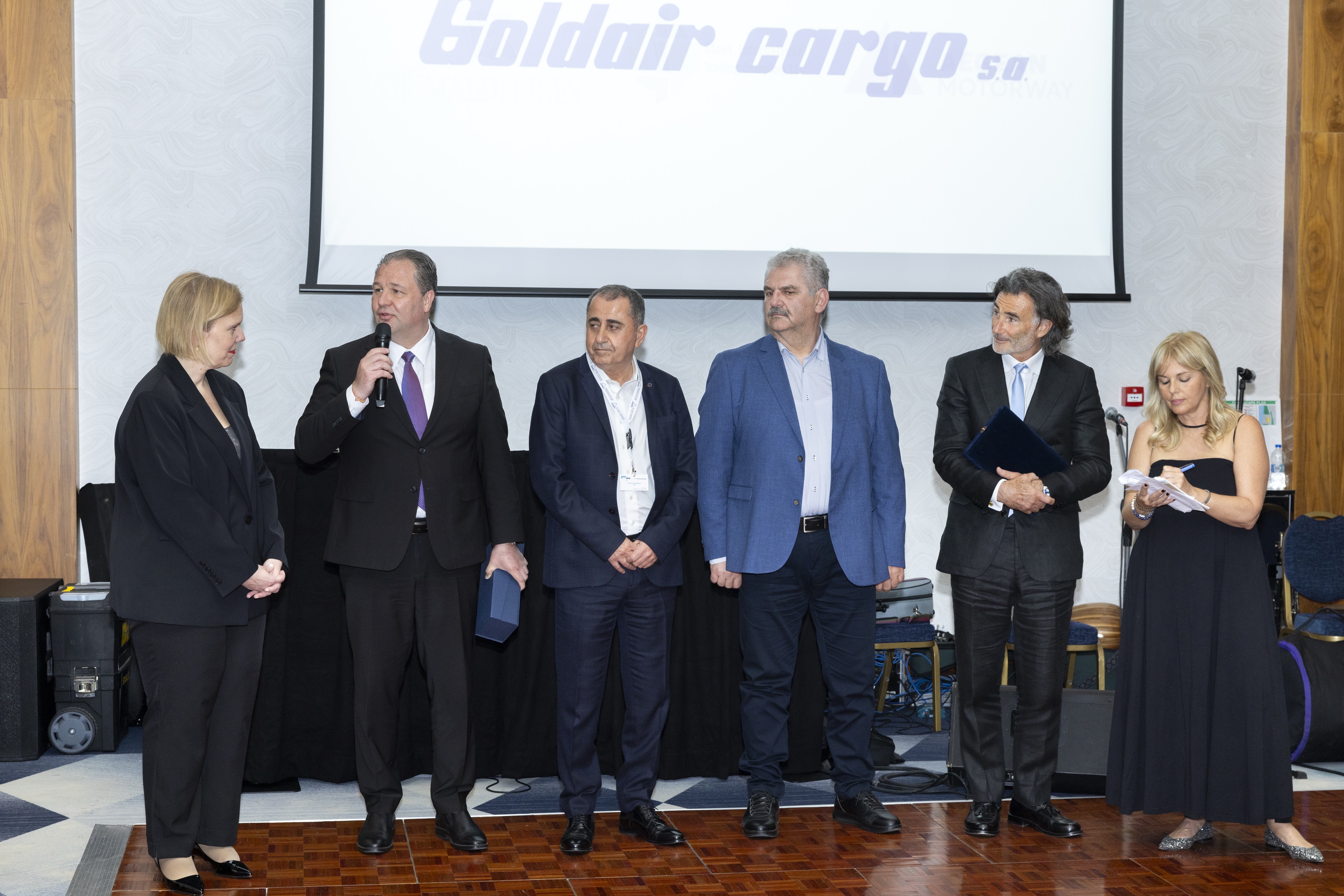
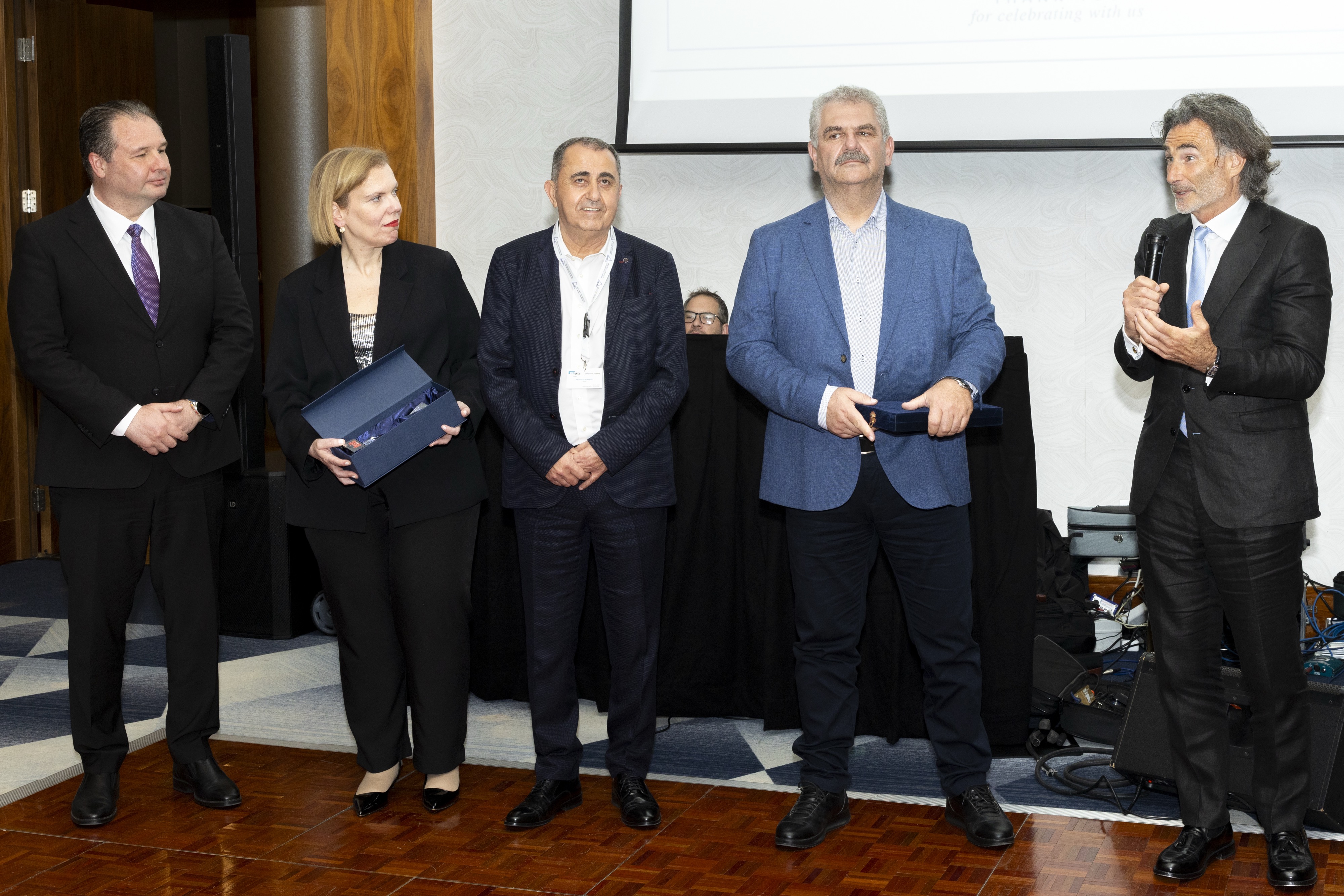
Concluding the meeting, IRU and BSEC-URTA reaffirmed their commitment to working together to support more connected, digital and efficient transport systems across the Black Sea region and beyond.