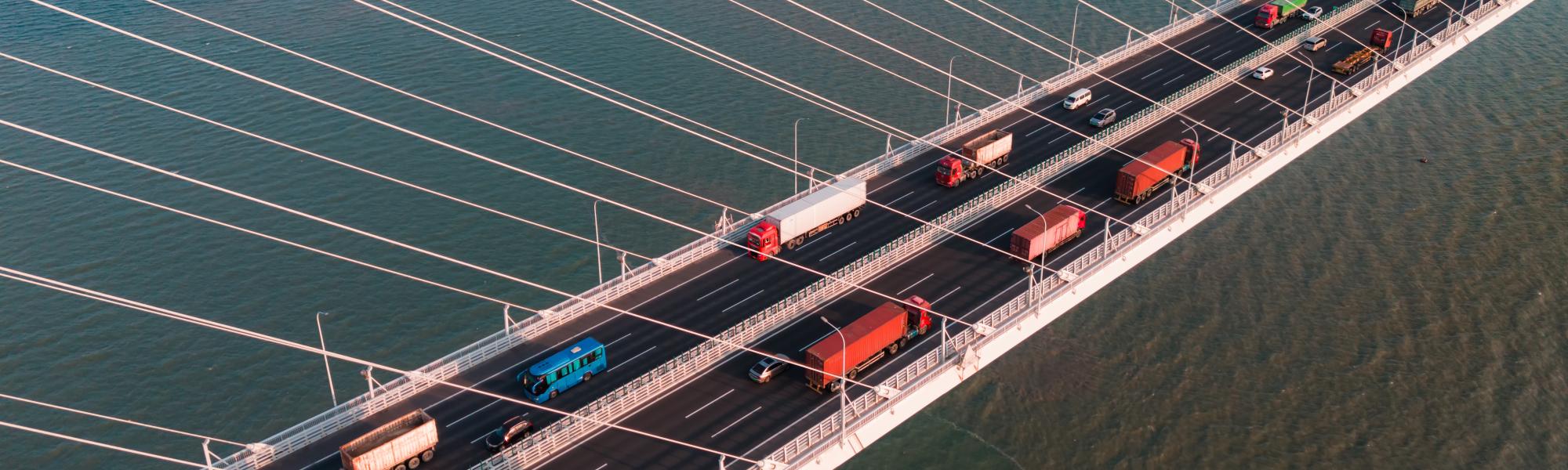
The types of operations possible under TIR have been broadened, unleashing new momentum for seamless logistics across Eurasia.
The General Administration of Customs of the People’s Republic of China has introduced new measures to further promote the development of road transport under TIR and enhance cargo clearance.
One key development is the expansion of TIR’s range of operations: bonded cargo and all types of e-commerce commodities can now be transported to and from China under TIR.
Successful pilot operations of bonded cargo and e-commerce commodities started from Hangzhou, Kashgar, Qingdao, Urumqi, Wenzhou, Yinchuan and Zhengzhou to countries across Eurasia when the measures entered into force on 15 January.
Following this development, 125 new customs offices have opened for TIR transport in China, mainly located in bonded customs zones and e-commerce distribution centres.
The changes respond to modern logistics trends and business needs, as well as China’s commitment to advancing the role of TIR in cross-border trade.
IRU will continue working with its members and partners, including the General Administration of Customs of the People's Republic of China, to create new opportunities for secure trade with TIR.
About TIR in China
TIR continues to gain momentum in China.
Between 2024 and 2025, the number of licensed TIR operators rose by nearly 45%, while the number of TIR vehicles almost tripled.
This growth was reflected in the number of TIR movements: TIR operations to and from China have more than doubled.
This continued growth is building the confidence of the public and private sectors in the TIR system, resulting in the opening of new routes and expansion of the types of goods transported.
Over 50 border crossings and inland Chinese cities now facilitate TIR operations for more than 80 cross-border TIR routes, unlocking new destinations along China–Europe corridors.
The types of cargo moved under TIR now include e-commerce products, bulky and heavy cargo, dangerous goods, cold-chain products, electronics, and heavy-duty vehicles.