Transport companies have wasted no time taking advantage of the new types of operations now possible under the global TIR transit system.
Since China broadened the types of transport operations possible under TIR to include bonded goods and all types of e-commerce commodities on 15 January 2026, road transport companies have launched pilot operations to destinations across Eurasia.
Here are three examples: the first for e-commerce goods, the second and third for bonded goods.
Kashgar – e-commerce goods to Uzbekistan and Pakistan
Two TIR vehicles carrying e-commerce goods departed from Kashgar and exited China via the Irkeshtam border crossing and the Khunjerab Pass.
The first truck reached Kokand, Uzbekistan, in only five days, while the second one reached Sust, Pakistan, in just two days.
Compared with non-TIR operations, transport time is around 20% shorter and costs are about 10% lower. The main difference lies in the time savings for customs clearance and queues – alongside TIR’s cargo integrity benefits. TIR allows goods to be shipped from a country of origin to a country of destination in sealed load compartments that are controlled by customs under a multilateral, mutually recognised system.
“CEVA Logistics is honoured to have participated in these new operations,” said Kelvin Tang, Vice President Ground & Rail for Asia Pacific at CEVA Logistics. “They provide more efficient, transparent and controllable cross-border logistics solutions to our customers.”
“We look forward to further expanding the TIR network and business cases, injecting fresh momentum into regional economic and trade cooperation,” he added.
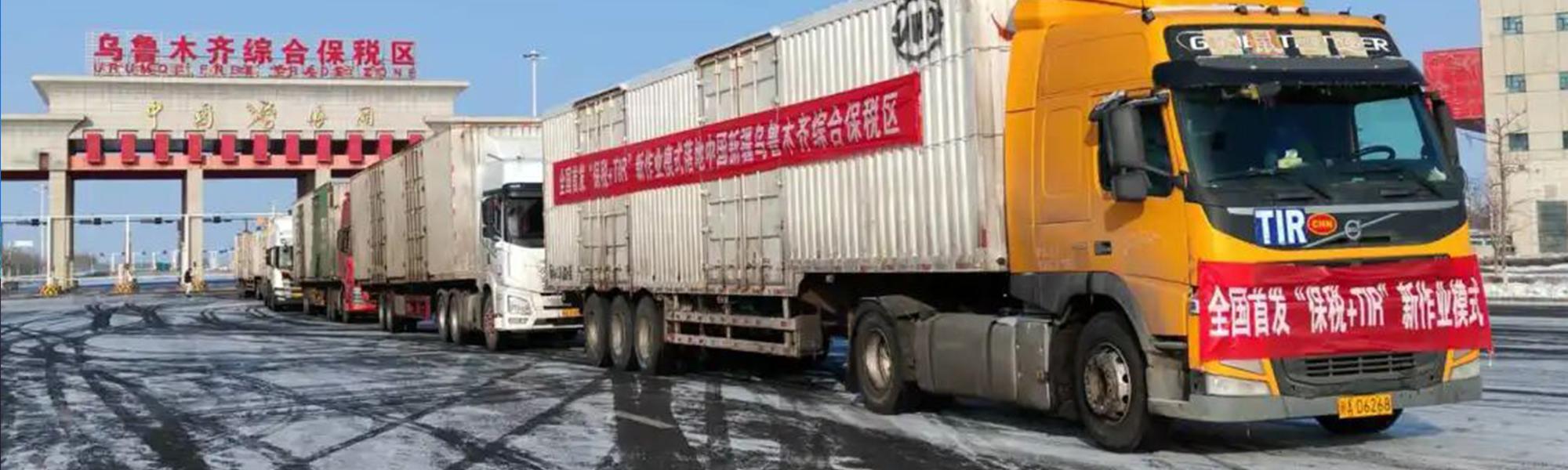
Urumqi – water heaters to Kazakhstan
A TIR vehicle transporting gas water heaters and other products exited China via the Khorgos border crossing and arrived in Almaty, Kazakhstan, in six days.
The operation combined the benefits of cargo consolidation and export tax rebates in bonded zones with the advantages of TIR: no transshipment and inspections en route, enabling door-to-door delivery.
Using TIR saved two to three days and eliminated the need to queue at the exit border.
Yinchuan – fresh flowers to Kyrgyzstan
A TIR vehicle filled with 455 crates of fresh flowers departed from the Yinchuan Comprehensive Bonded Zone and arrived in Bishkek, Kyrgyzstan, in five days.
As perishable goods with a shelf life of only a few days, fresh flowers require strict timing and cargo integrity controls.
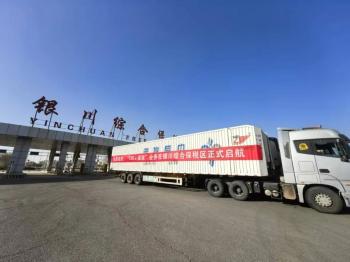
TIR eliminates the need for cargo transshipments and en route inspections, reducing customs formalities and transport costs. According to the transport company that conducted this operation, TIR reduced logistics costs by around 30%.
About TIR in China
The global TIR transit system continues to gain momentum in China.
Between 2024 and 2025, the number of licensed TIR operators rose by nearly 45%, while the number of TIR vehicles almost tripled.
This growth was reflected in the number of TIR movements: TIR operations to and from China have more than doubled.
This continued growth is strengthening public and private sector confidence in the TIR system, resulting in the opening of new routes and an expansion in the range of goods transported.
Over 50 border crossings and inland Chinese cities now facilitate TIR operations for more than 80 cross-border TIR routes, unlocking new destinations along China–Europe corridors.
The types of goods moved under TIR now include e-commerce products, bulky and heavy cargo, dangerous goods, cold-chain products, electronics, and heavy-duty vehicles.
The expansion of TIR operations in January led to the opening of 200 new customs offices for TIR transport in China. Most are in bonded customs zones and e-commerce distribution centres.