Choose your language

How cities are making buses even faster and more reliable – for less
Global | Geneva

How cities are making buses even faster and more reliable – for less

25 Jun 2026 · People

Bus rapid transit (BRT) systems are one of the most practical ways for cities to improve mobility without building a full rail system. They use buses but come with advantages often associated with rail.

BRT can include dedicated lanes, priority at intersections, high-capacity vehicles, accessible stations and faster boarding. The aim is simple: move more people faster and more reliably.

It gives cities flexibility and can be built faster than rail – without the high costs associated with tram and light-rail systems. It can also be adapted to different urban contexts, from dense megacities to medium-sized cities and growing metropolitan areas.

Here are four examples from Türkiye, Denmark, the UK and Mexico, showcasing the scope and impact of BRT systems.

Istanbul: Operating at metropolitan scale

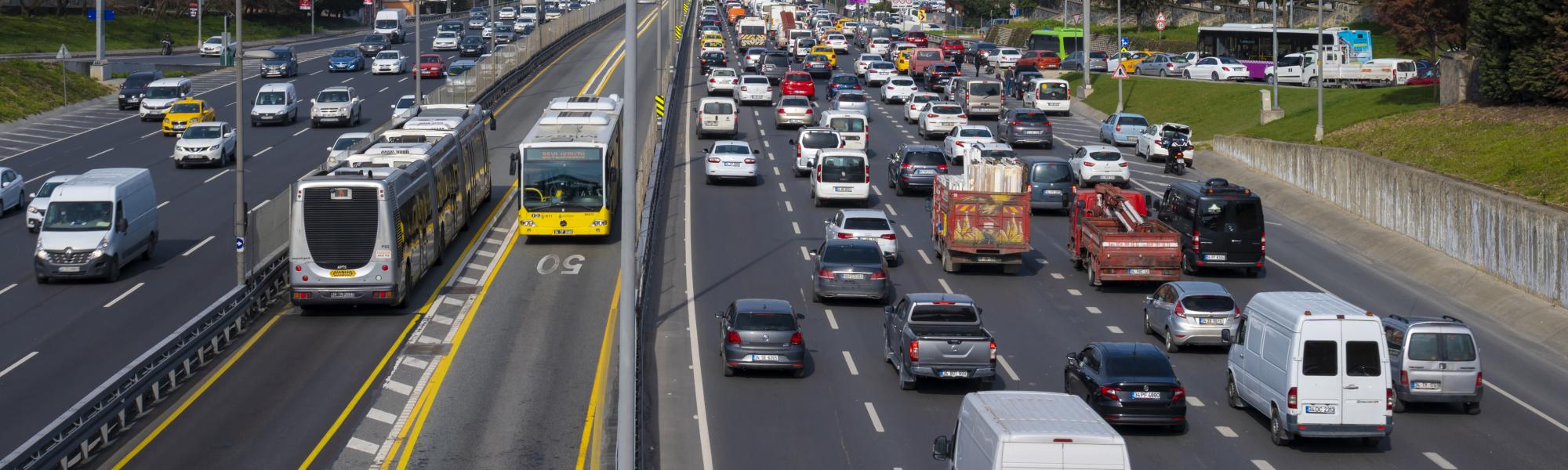
Istanbul’s Metrobüs shows what BRT can deliver in a large, complex city. It is built for very high demand.

The network accommodates around one million journeys per day on a 52km corridor. It operates 24/7 on dedicated infrastructure and provides a fast alternative to congested road traffic.
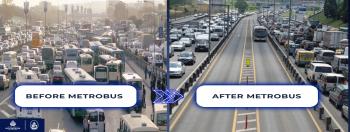
Istanbul

The result is better mobility and measurable environmental gains.

The system removes around 100,000 private vehicles from traffic, reduces carbon emissions by 760 tonnes per day and saves passengers significant time. Each passenger saves an estimated 52 minutes per day.

Istanbul’s lesson is clear: when BRT is given priority space and strong operational management, buses can deliver mass-transit performance at city scale.

Aalborg: A European business blueprint

Aalborg’s PlusBus demonstrates how BRT can offer a credible – and much cheaper – alternative to light rail.

In 2011, a light-rail system was initially planned for the city at an estimated total cost of EUR 240 million. The state declined to fund a light-rail system for a city with approximately 150,000 residents, prompting the City of Aalborg to develop a BRT alternative at a total cost of EUR 70 million.

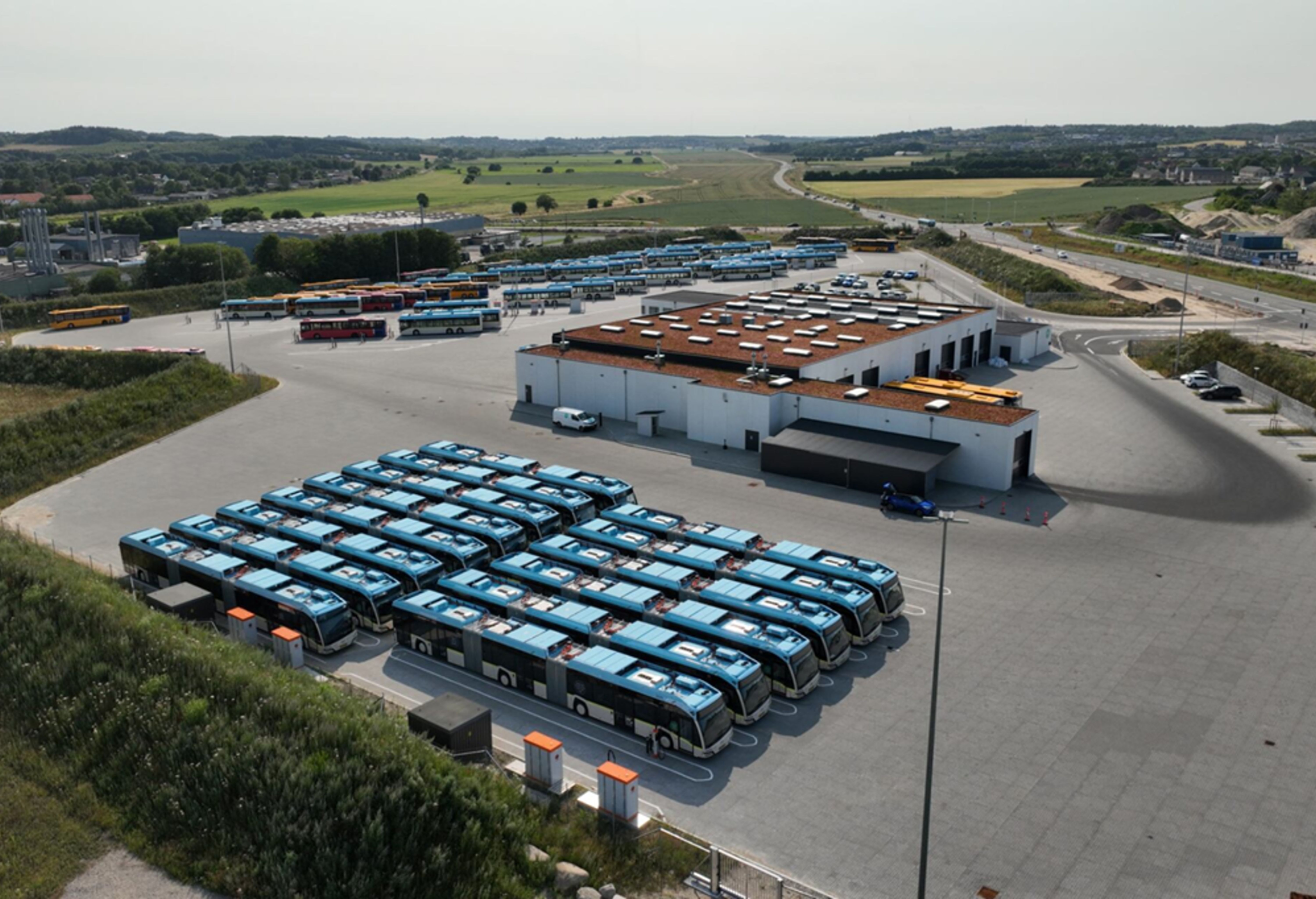
The result is a 12km electric BRT line with 22 stations. It runs at seven-minute intervals. Around two-thirds of the route is dedicated, with priority at intersections along the entire route and flat-floor boarding for faster access at newly designed BRT stations.

The system uses 25-metre electric buses with room for a little over 150 passengers. It is also part of a wider green transition, with investment in 121 electric buses, charging infrastructure and a new depot with the largest bus charging infrastructure in Northern Europe.

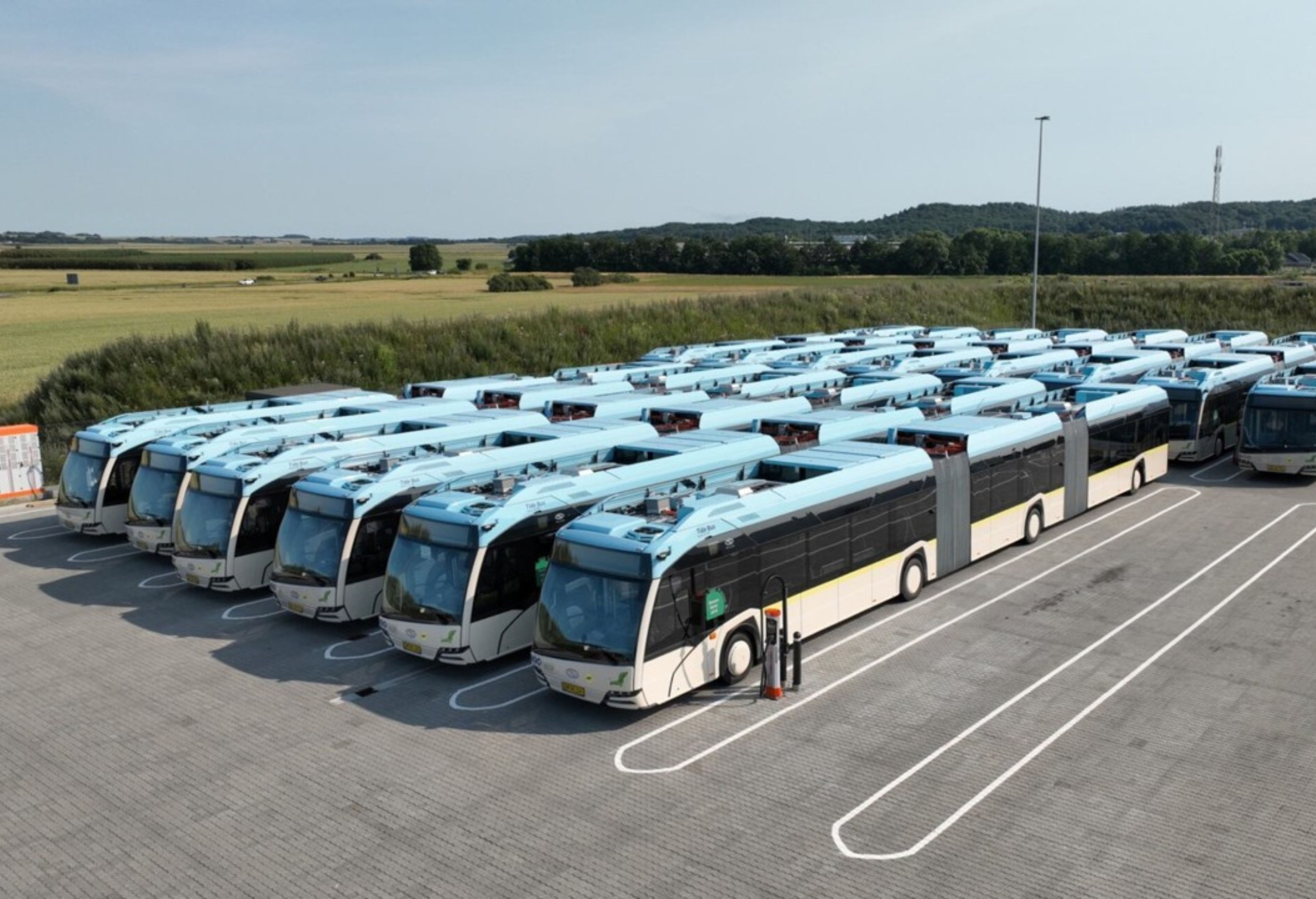
How cities are making buses even faster and more reliable – for less

The early results are strong. Passenger numbers grew by 25% in the first year and have continued to increase. This has led to more BRT buses being put into service. Customer satisfaction with the BRT system is even higher than satisfaction with other city bus services, which are already very high.

Aalborg’s experience shows how a well-planned and attractive BRT solution, even in small and medium-sized cities, can boost collective passenger transport usage to the extent of being self-financed through the fares collected.

London: Rapid orbital connectivity

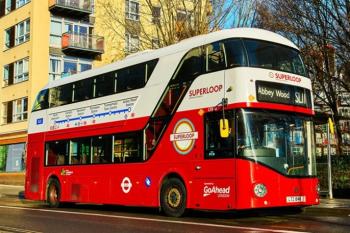
London’s Superloop offers a different BRT-inspired model. It is not based on large new infrastructure. Instead, it uses branding, limited stops and existing routes to improve orbital connectivity in outer London.

The network has 12 routes. Most are orbital and built on existing services. Fares and operators are the same as other bus services. There is no dedicated infrastructure beyond bus stop signage.

But the differences matter. The Superloop has a clear sub-brand and fewer stops. On one route, there are 12 stops compared with 68 on the standard bus service.

Photo 5 BRT

Superloop routes have seen ridership growth of up to 10% in the past year, while the overall London bus network has declined by approximately 5% over the same period. Passenger satisfaction is approximately 10 percentage points higher than on the rest of the network.

The policy context is also important. London needed a rapid response to declining bus use, limited infrastructure funding, and the political challenge of expanding road charging in outer London.

The lesson from London is that BRT principles can be applied pragmatically. Even without major construction, better branding and fewer stops can make buses more visible, faster and easier to use.

Mexico: A mature BRT ecosystem

Mexico shows how BRT can evolve into a national urban mobility tool. The country now has one of Latin America’s most important BRT ecosystems, with systems at different stages of maturity.

The Mexican experience includes three broad phases: operational integration, metropolitan scale and electrification. This makes it a useful laboratory for cities looking to connect mobility policy with decarbonisation goals, tourism and economic competitiveness.

Mexican cities with BRT systems include León, Mexico City and Mérida.

Mexico

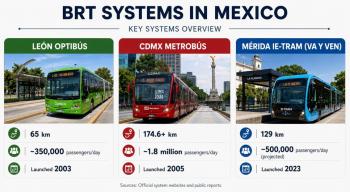
León is home to Mexico's first BRT system, operational since 2003 with over 65km of network and approximately 350,000 passengers per day. Its principal achievement is not infrastructure alone but operational integration: a feeder-trunk structure – a hierarchical network design where smaller, local pathways (feeders) connect into a large, high-capacity central pathway (trunk) – reduced fragmentation and improved service reliability.

Mexico City’s BRT system was launched in 2005. It currently operates over 174km and serves some 1 million passengers daily, making it one of the largest BRT networks in the world. A particular concern raised was political pressure to introduce electric buses at the lowest possible cost, which in some cases led to the acquisition of electric buses for which maintenance, parts and components are not available.

Mérida has one of Mexico’s newest BRT systems and one of the first in south-eastern Mexico. The system is notable for its integration into a broader economic and tourism strategy, ensuring connection with urban mobility, airport access, tourism corridors, and connectivity with the Maya Train.

Across all four countries, one message stands out: BRT is not a single model. Cities can use it to improve speed, capacity, emissions and access. But it works best when buses are treated as core public transport infrastructure, not as a fallback option.