The EU road transport community made significant gains in 2025. In close cooperation with its members, operators and policymakers, IRU helped drive progress on several major EU files, grounded in on-the-ground realities.
From key regulatory reforms to strong institutional engagement and high-level sector dialogues, 2025 delivered tangible results for the people and businesses that keep the EU moving.
Driving licence reforms
One of IRU’s most significant achievements in 2025 was the adoption of modernised EU driving licence rules, removing long-standing barriers for young professional drivers. The reform allows 18-year-olds to drive trucks and 21-year-olds to drive buses with a Certificate of Professional Competence. It also introduced accompanied professional truck driving from age 17 and established a fully digital EU-wide driving licence.
Long advocated for by IRU, these changes improve access to the profession and help renew the EU’s ageing driver workforce at a time of an acute driver shortage.
Weights and dimensions breakthrough
IRU secured a long-awaited breakthrough on the revision of EU vehicle weights and dimensions rules.
In November, EU ambassadors reached a political agreement at the Council level on the Danish Presidency’s compromise text, unlocking years of difficult negotiations.
The agreement improves conditions for cross-border and intermodal operations, enables the deployment of zero-emission vehicles without payload loss, including up to 44 tonnes where applicable, and introduces a crisis-response clause to safeguard essential supply chains.
Fleet greening
In 2025, IRU helped secure a significantly weakened European Commission Greening Corporate Fleets proposal compared to its initial ambition.
The final proposal is limited to cars and vans and explicitly excludes heavy-duty vehicles, reflecting IRU’s sustained advocacy for realistic, technology-neutral decarbonisation policies aligned with operational and infrastructure realities.
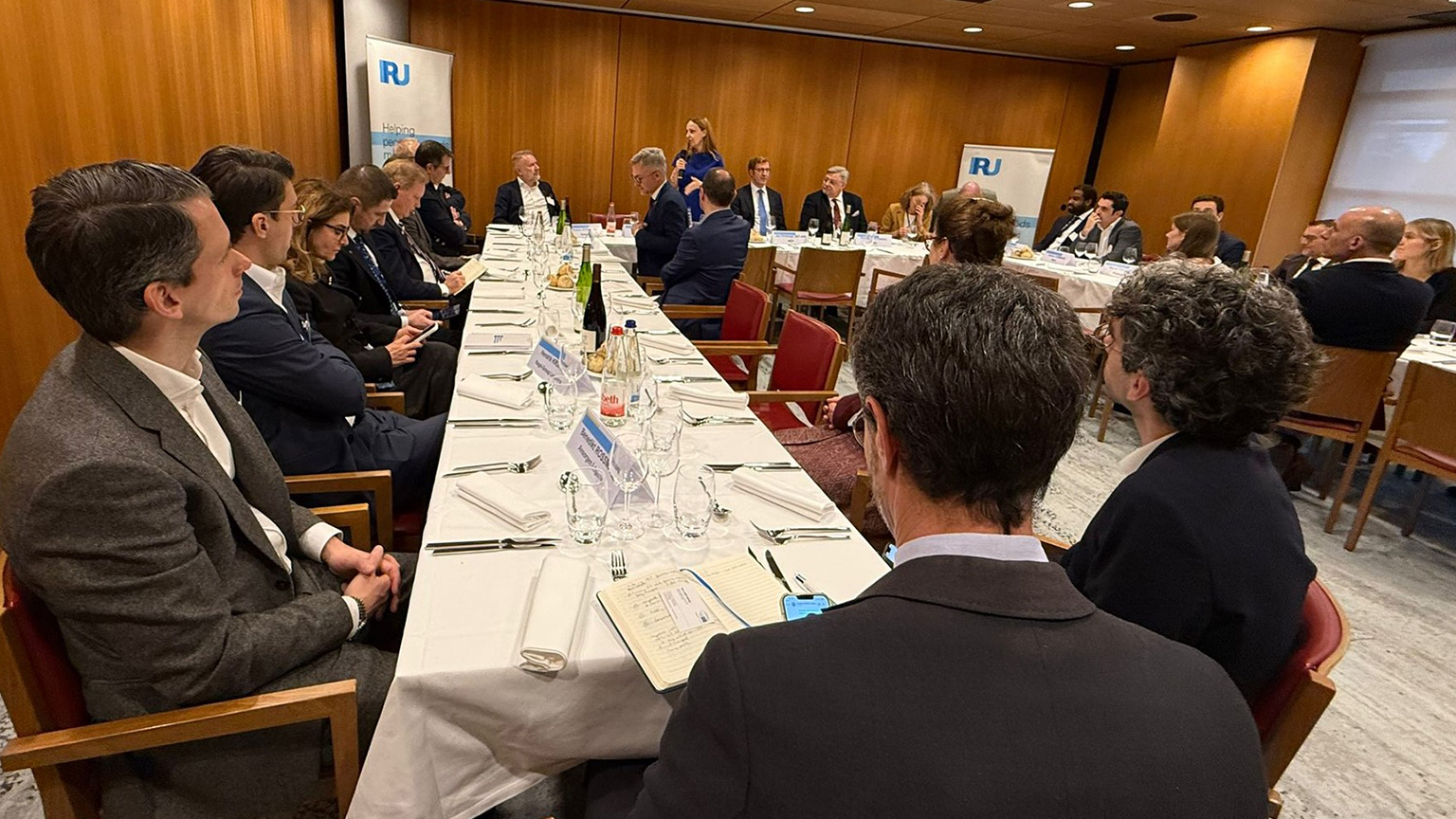
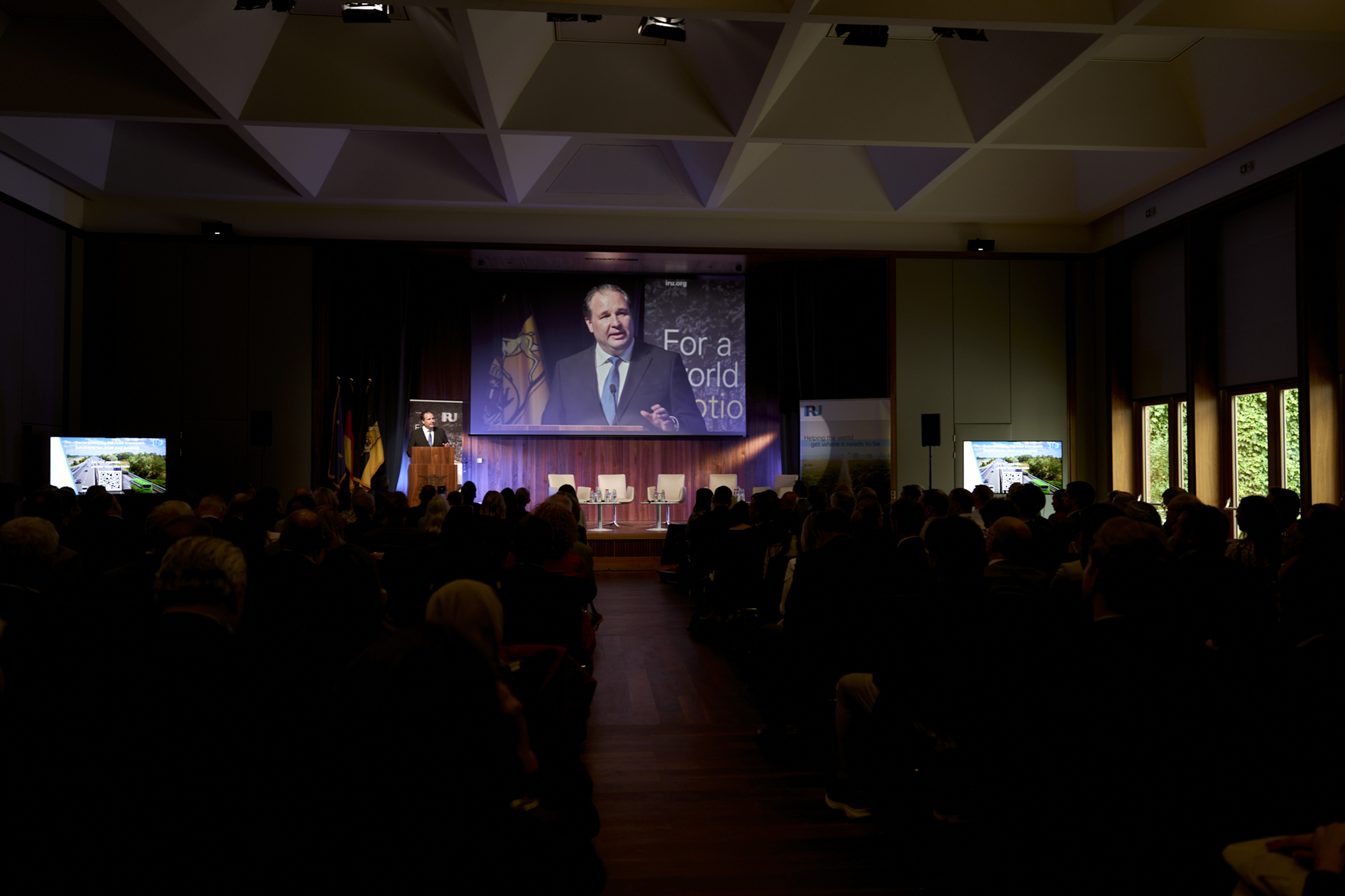
The weakened proposal was released on the same day that IRU brought together policymakers and the industry at the European Parliament in Strasbourg for a constructive debate, helping ensure that fleet decarbonisation ambitions are grounded in operational reality.