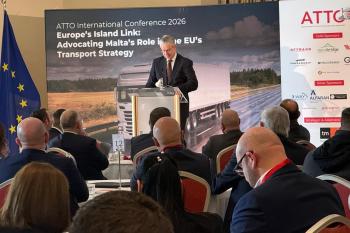
Malta’s position within EU transport strategy came under the spotlight as policymakers and industry representatives gathered for an international transport conference organised by IRU member the Maltese Association of Truck and Trailer Operators (ATTO).
The conference, “Advocating Malta’s Role in the EU Transport Strategy”, brought together the road transport industry alongside Chris Bonett, Malta’s Minister for Transport, Infrastructure and Public Works, Members of the European Parliament (MEPs) and European Commission representatives to examine how EU transport legislation translates into operational reality for island economies.
IRU highlighted a persistent structural concern: fragmented national tax and customs systems continue to generate additional procedures and compliance costs for operators active across borders.
Despite ongoing digitalisation efforts, companies are still required in some EU countries to fulfil burdensome administrative obligations, including the appointment of fiscal representatives.
Greater connectivity between national systems, IRU argued, would reduce administrative burdens and improve efficiency. At the same time, digitalisation should not become an objective in itself, warning that reforms risk adding complexity if simplification is not prioritised.
The debate moved beyond conference speeches the following day.
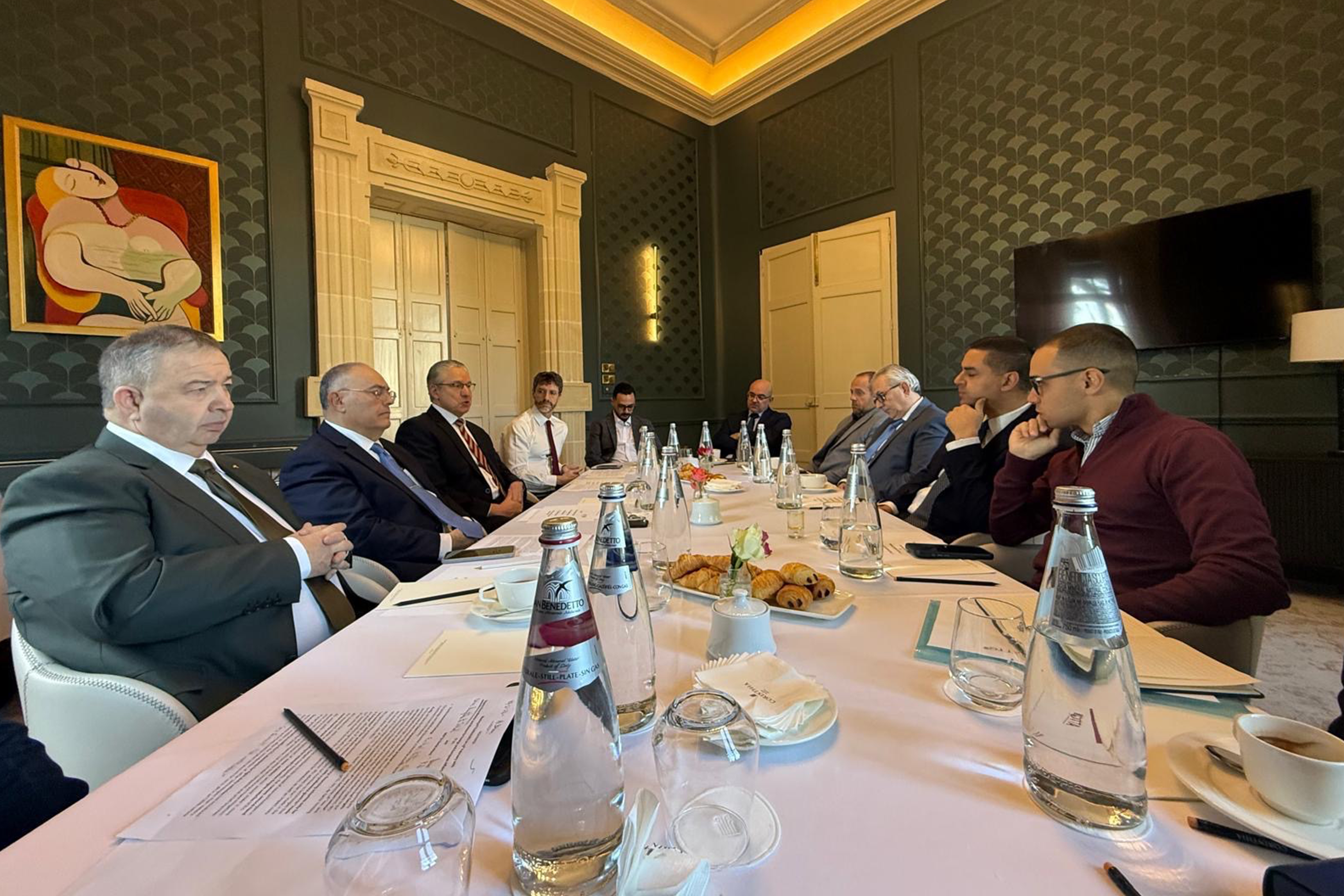
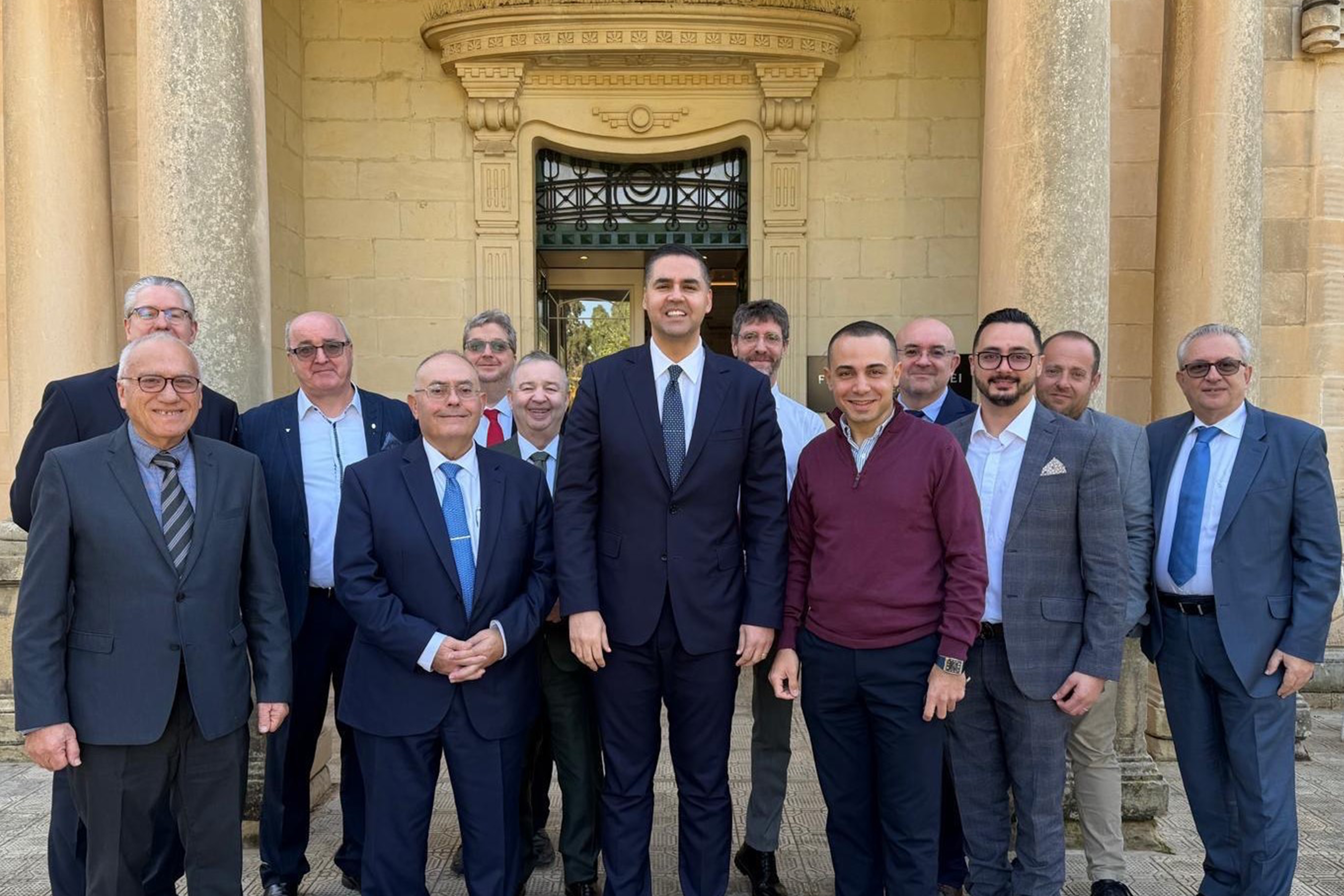
IRU, together with its members ATTO and the Irish Road Haulage Association (IRHA), met with Ian Borg, Malta’s Deputy Prime Minister and Minister of Foreign Affairs and Tourism, and Maltese MEP Daniel Attard to examine the broader competitiveness outlook for EU road freight.
Talks centred on the impact of the Automotive Package and on the need to revive negotiations on the European Combined Transport proposal in both the Council and the European Parliament.
IRU will continue engaging with national authorities and EU institutions to ensure that digital reform and transport legislation deliver coherent, workable solutions for road freight operators across the bloc.