Choose your language

Bridging EU and national road transport policy
EU | Milan

Bridging EU and national road transport policy

2 Jun 2026 · People, Prosperity, Environment

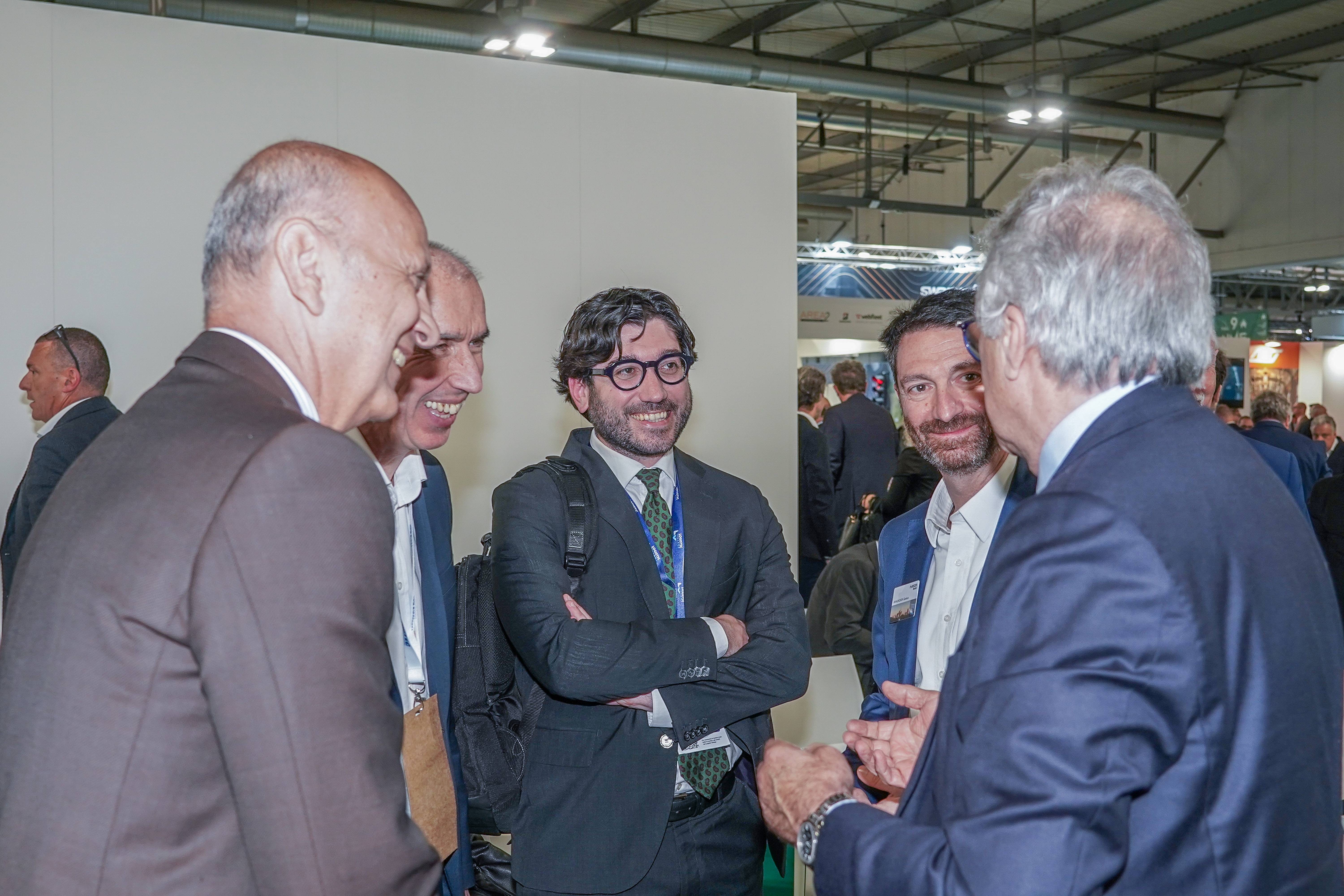
IRU played a prominent role in bridging EU and national policies, as well as policymaker and operator priorities, at Transpotec Logitec and Next Mobility 2026, a major international exhibition and conference for freight transport, logistics and passenger mobility in Milan, Italy.

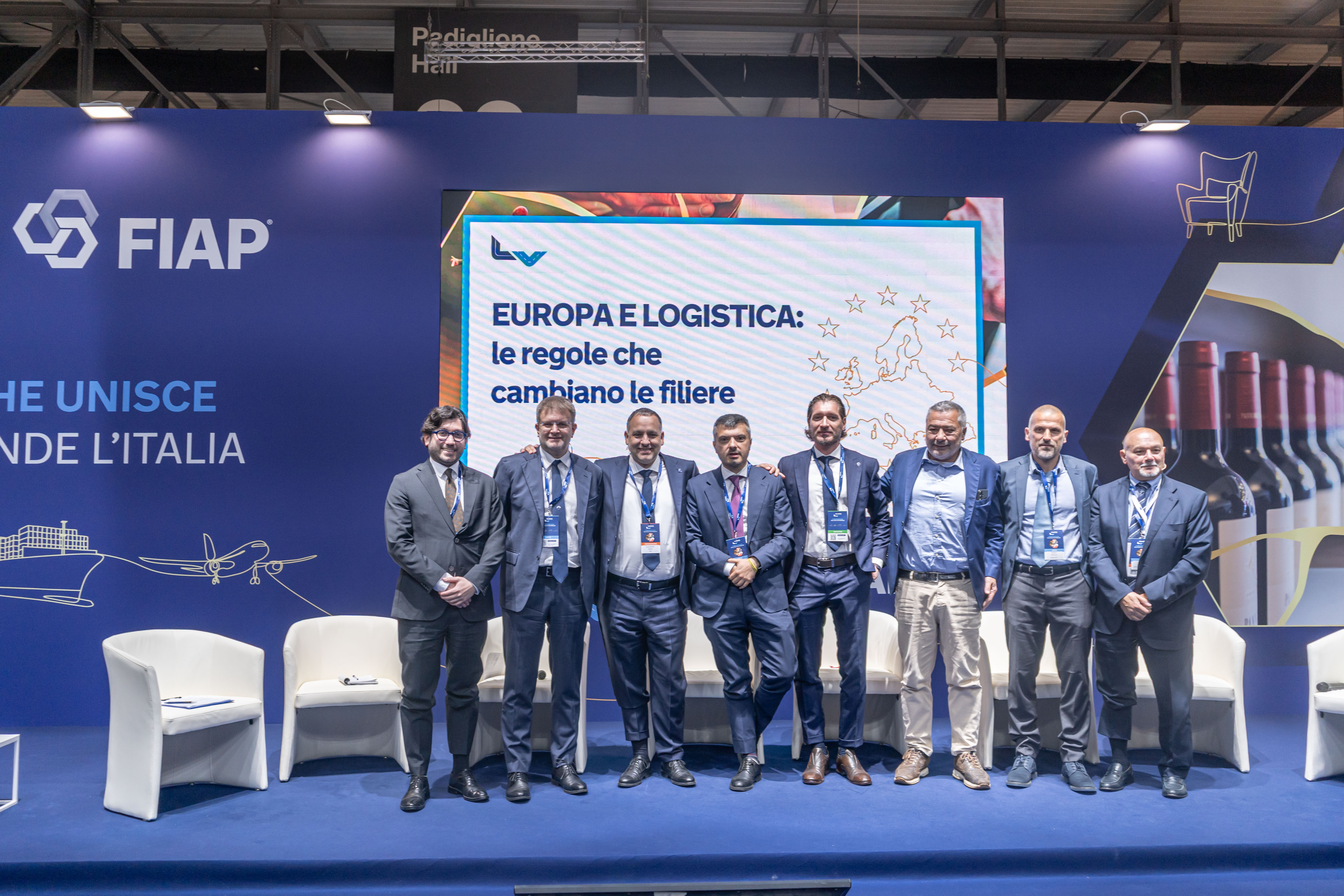
At the heart of Transpotec Logitec and Next Mobility, attracting 33,000 industry professionals and policymakers from across the EU, Mediterranean and Balkans, the fourth edition of IRU member FIAP’s Logistic Village stood out as a unique, high-level forum on the practical implications of EU and national policymaking for transport and logistics.

Logistic Village attracted participation from leading Italian and EU decision-makers, including Members of the European Parliament and national parliamentarians, and was endorsed by five key ministries. Contributions from senior figures – notably Raffaele Fitto, Executive Vice-President of the European Commission, and Gilberto Pichetto Fratin, Minister of the Environment and Energy Security – highlighted the strong political recognition of road transport’s strategic importance.

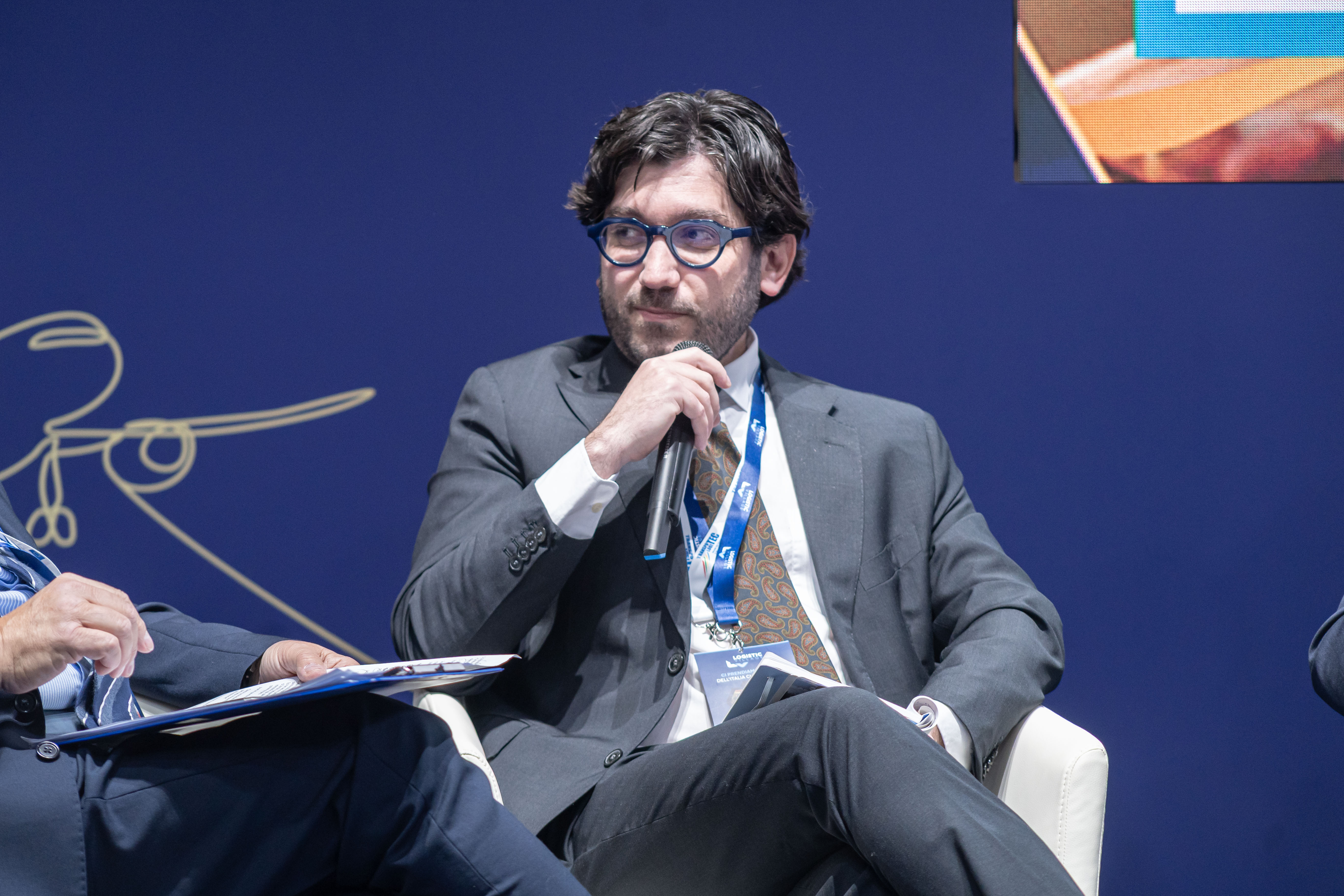
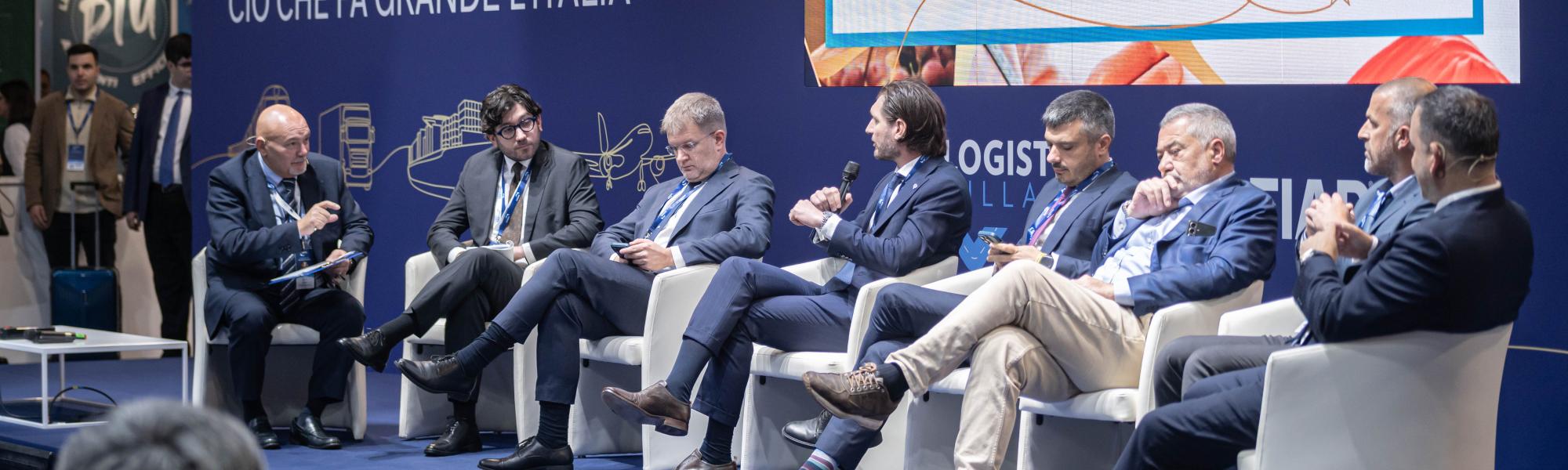
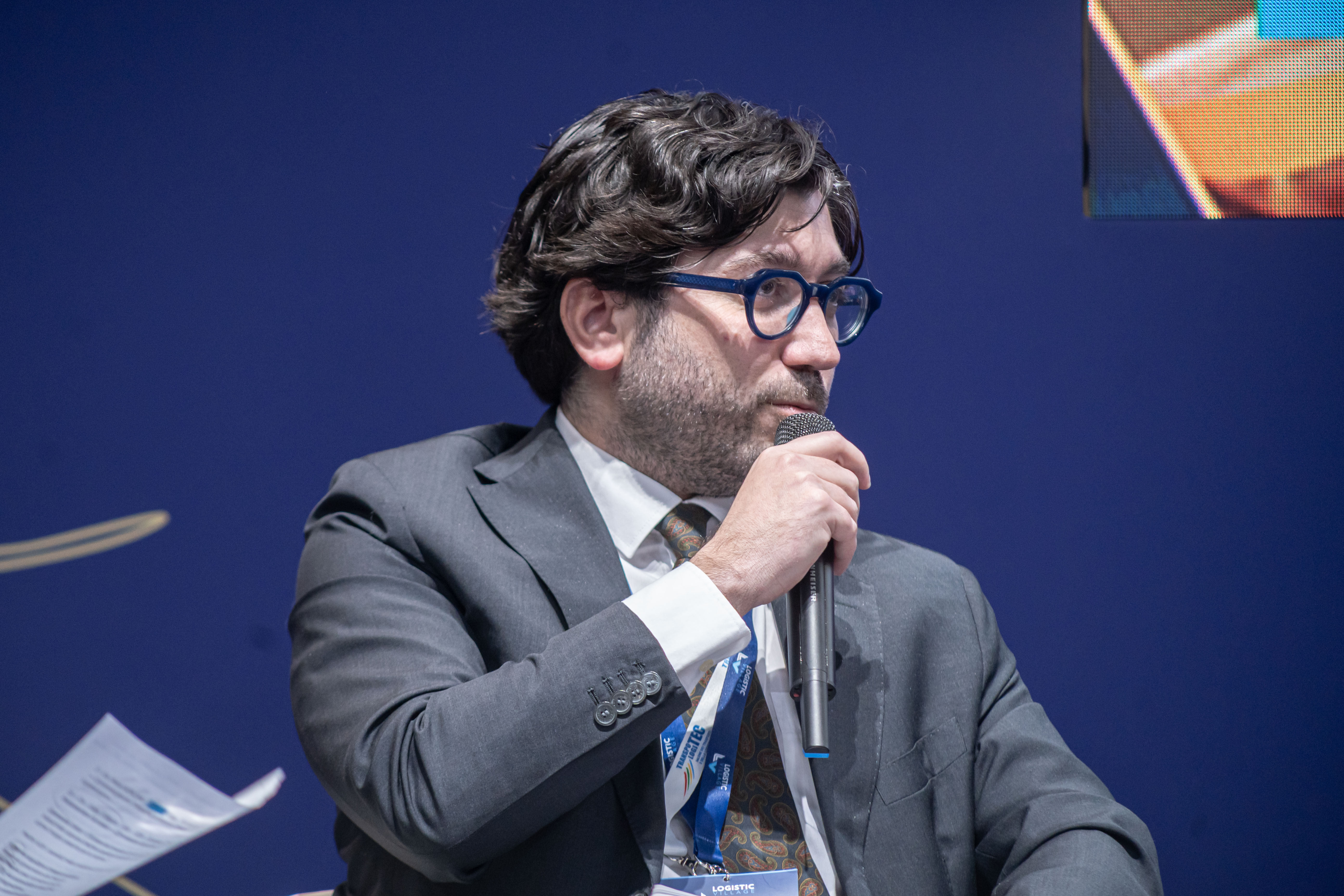
IRU EU Goods Transport Manager Federico Solfrini moderated the EU affairs panel on the growing impact of EU legislation. Discussions covered priorities areas such as roadworthiness, digitalisation, customs, decarbonisation and employment, as well as key initiatives, including the Automotive Package and the revision of the Weights and Dimensions Directive.
Bridging EU and national road transport policy

Bus and coach decarbonisation

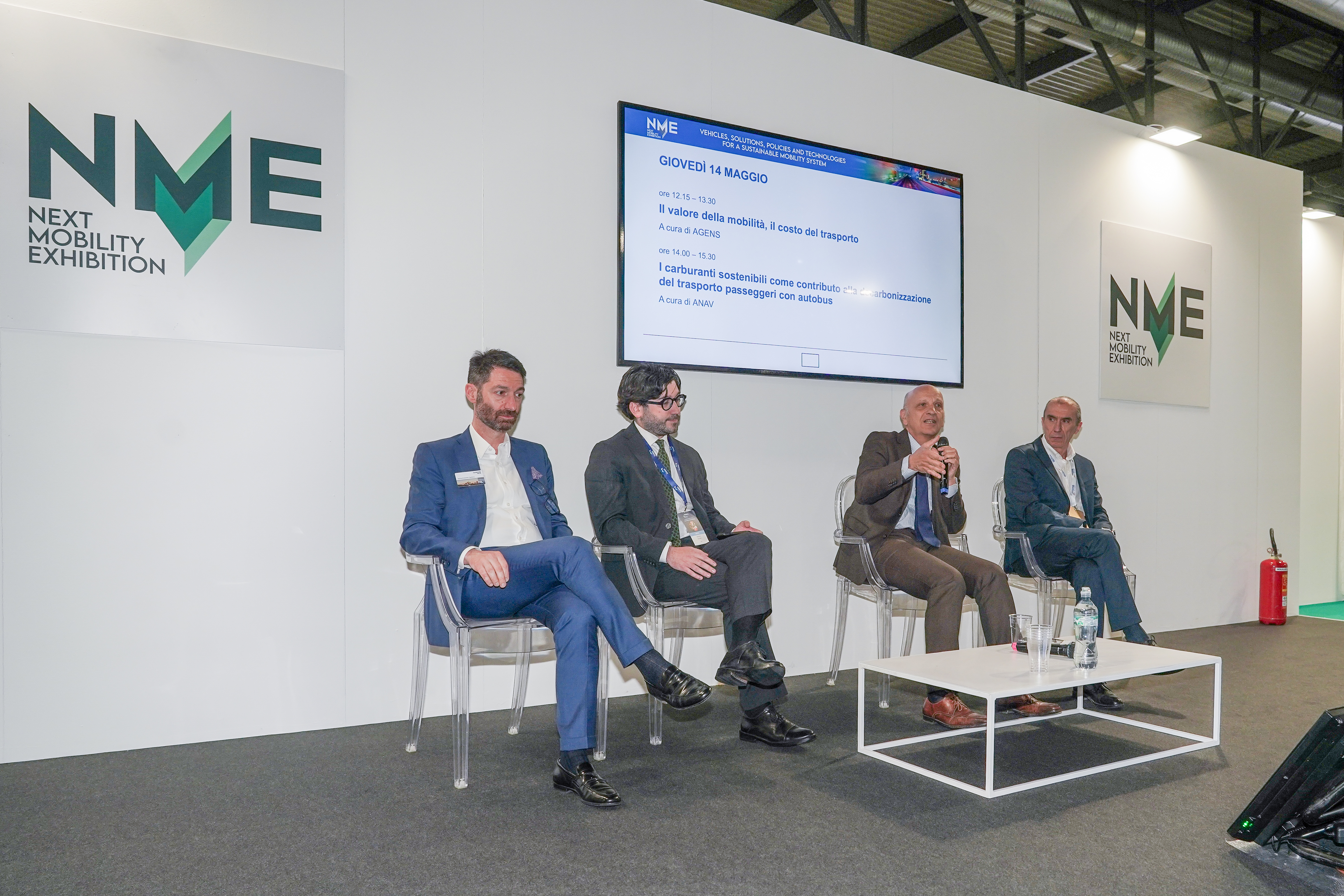
Federico Solfrini also spoke at a high-level conference organised by IRU member ANAV on bus and coach decarbonisation.

The session highlighted the importance of sustainable and renewable fuels for reducing emissions, particularly in hard-to-electrify segments, calling for a pragmatic and technology-neutral approach to decarbonisation.

A key moment was the presentation of a major ANAV study underscoring alternative fuels as a realistic and scalable decarbonisation pathway. Together with leading industry representatives, Federico Solfrini stressed that these solutions are essential for achieving decarbonisation goals while preserving operational continuity.

Bridging EU and national road transport policy

EU-national policy link

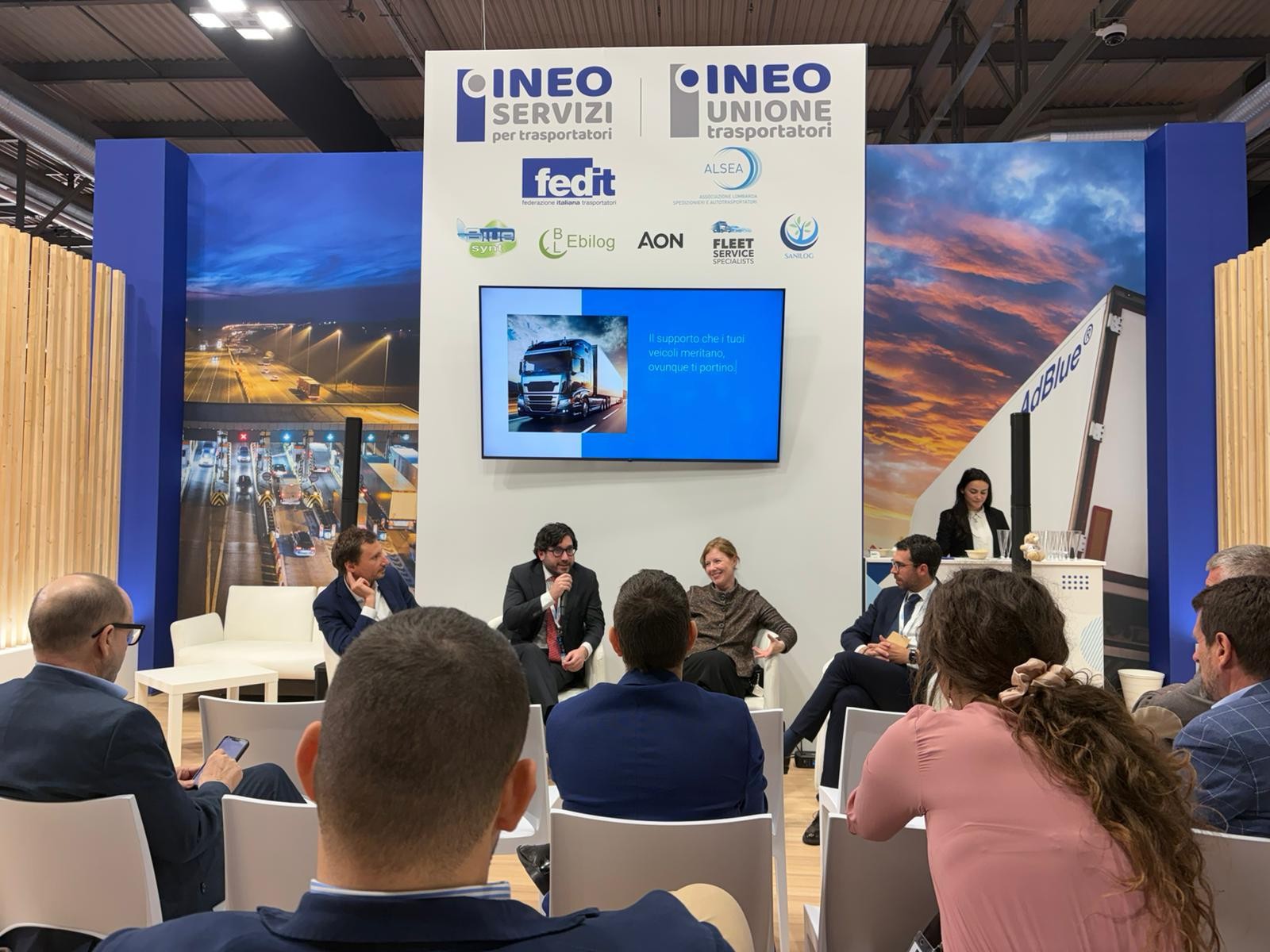
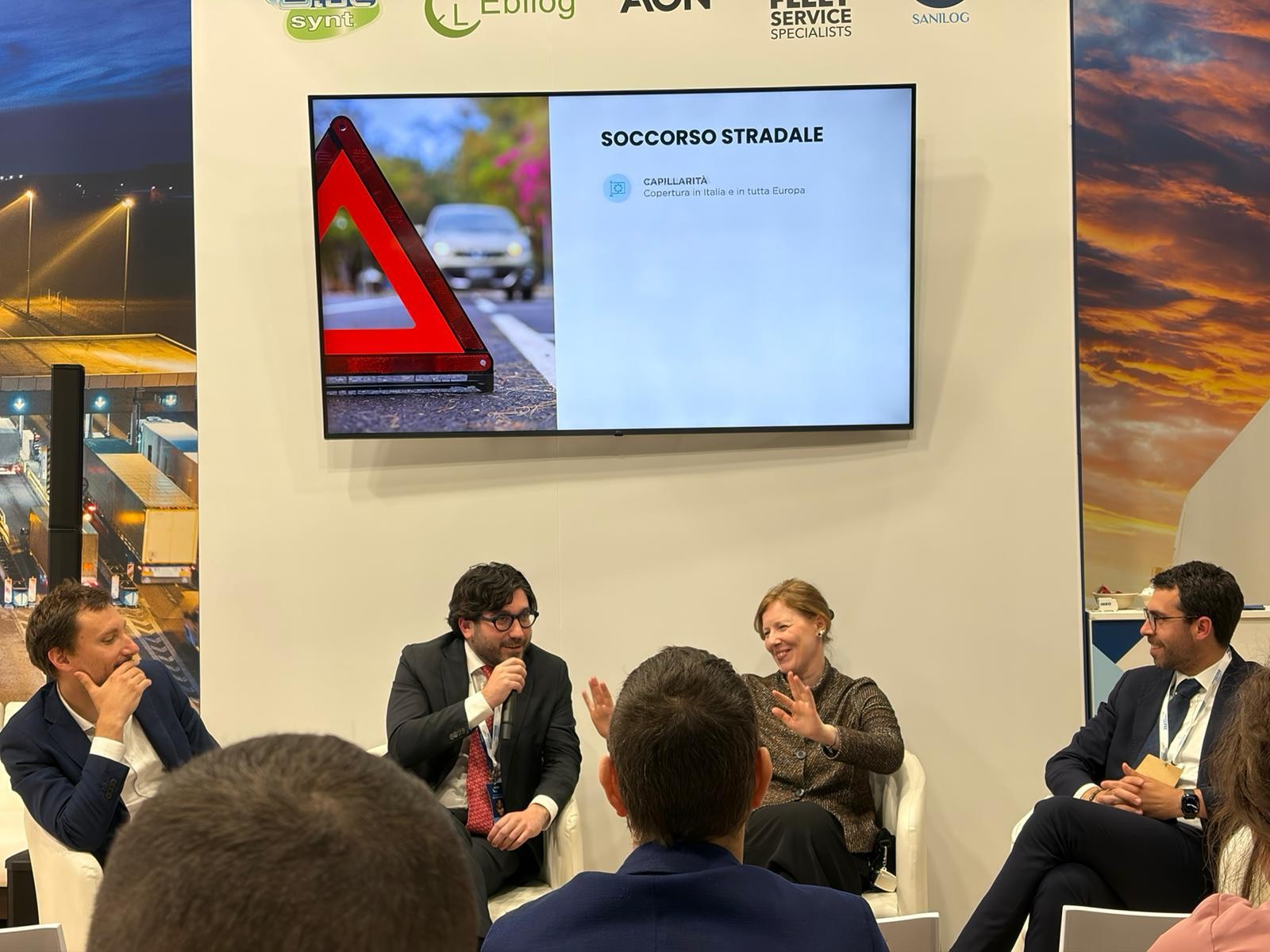
During an INEO panel, Federico Solfrini addressed key EU legislative developments shaping the future of road transport, stressing the importance of coordinated EU advocacy to deliver concrete results at national level.

The discussion underlined the increasingly direct link between EU decision-making and national legislation, with a focus on major initiatives such as the Automotive Package and decarbonisation policies.

Moderated by INEO and featuring contributions from IRU members CONFETRA and ANAV, the exchange further demonstrated IRU’s pivotal role in bridging EU and national discussions and ensuring coherent, sector-wide representation.

In addition, IRU member TRATON showcased the Scania fuel cell electric vehicle, the first such vehicle to be deployed in Italy as part of the EU-funded ZEFES project, in which IRU is a partner.

“Transport operators are already adapting to major regulatory and technological changes across the EU,” said Federico Solfrini. “The challenge now is to ensure that the EU’s transport transition remains practical, investment-ready and workable for operators.”

Bridging EU and national road transport policy