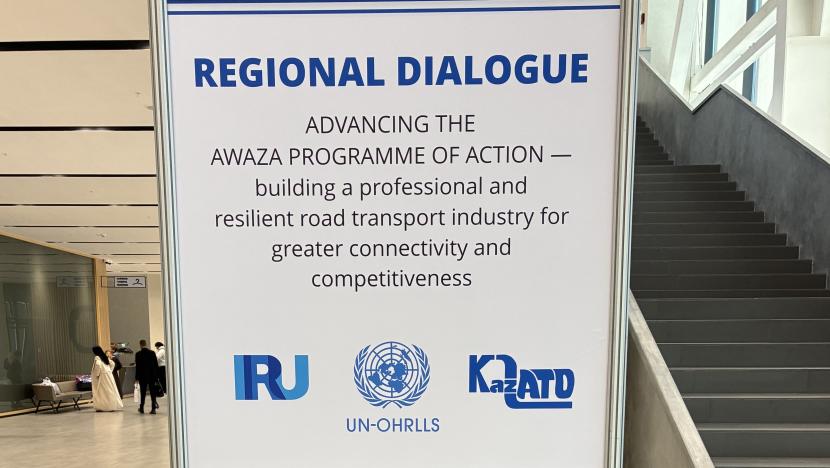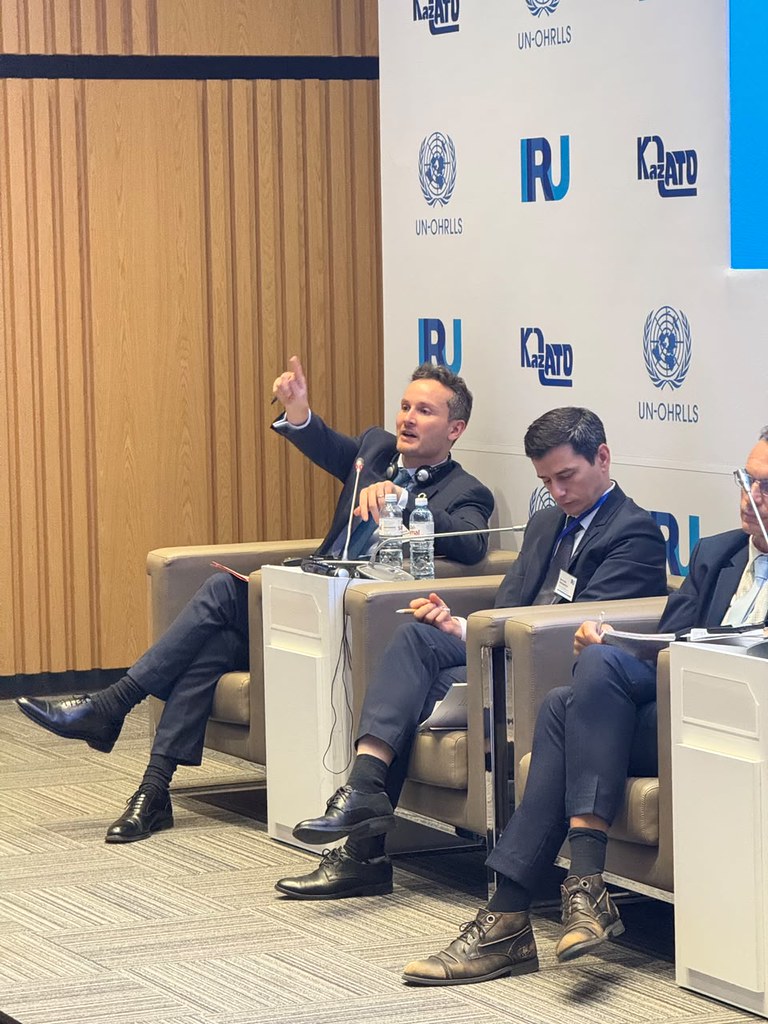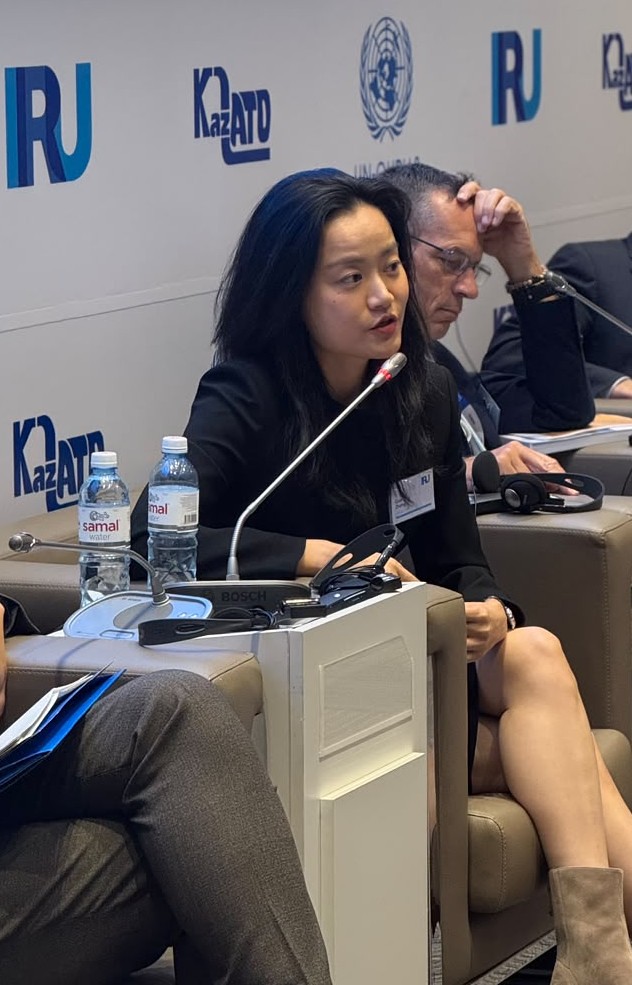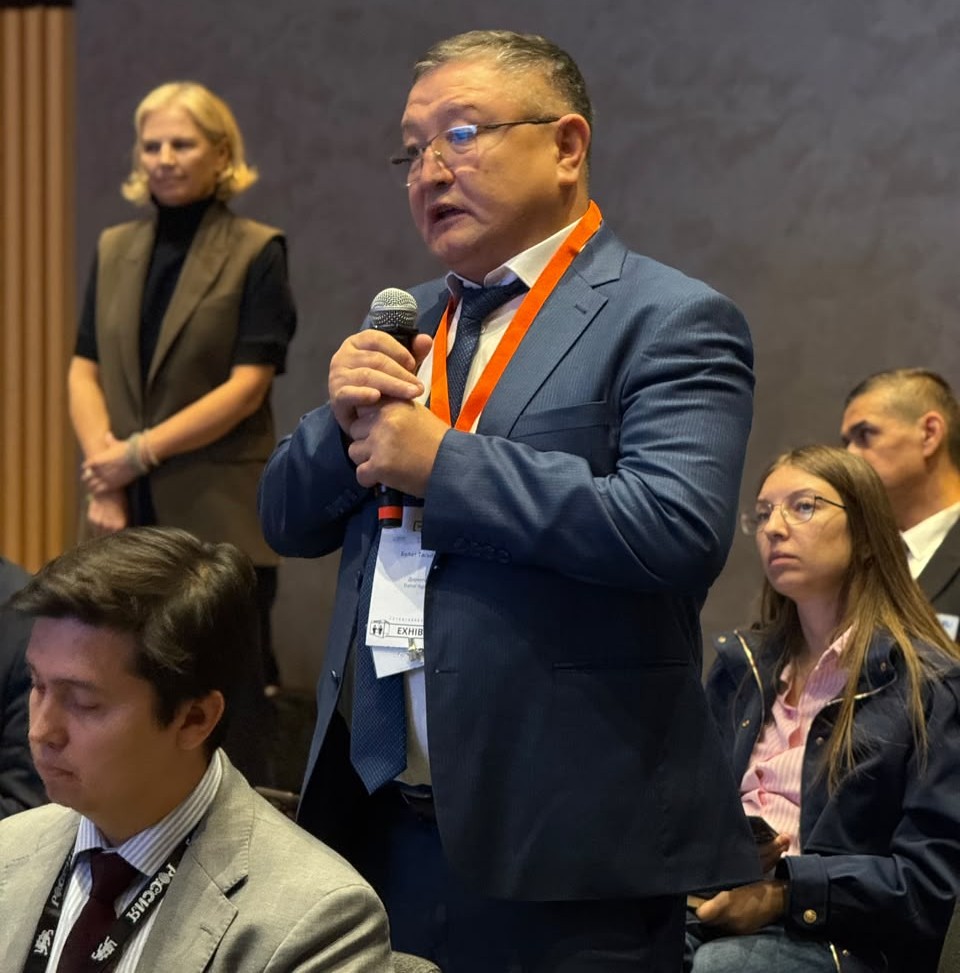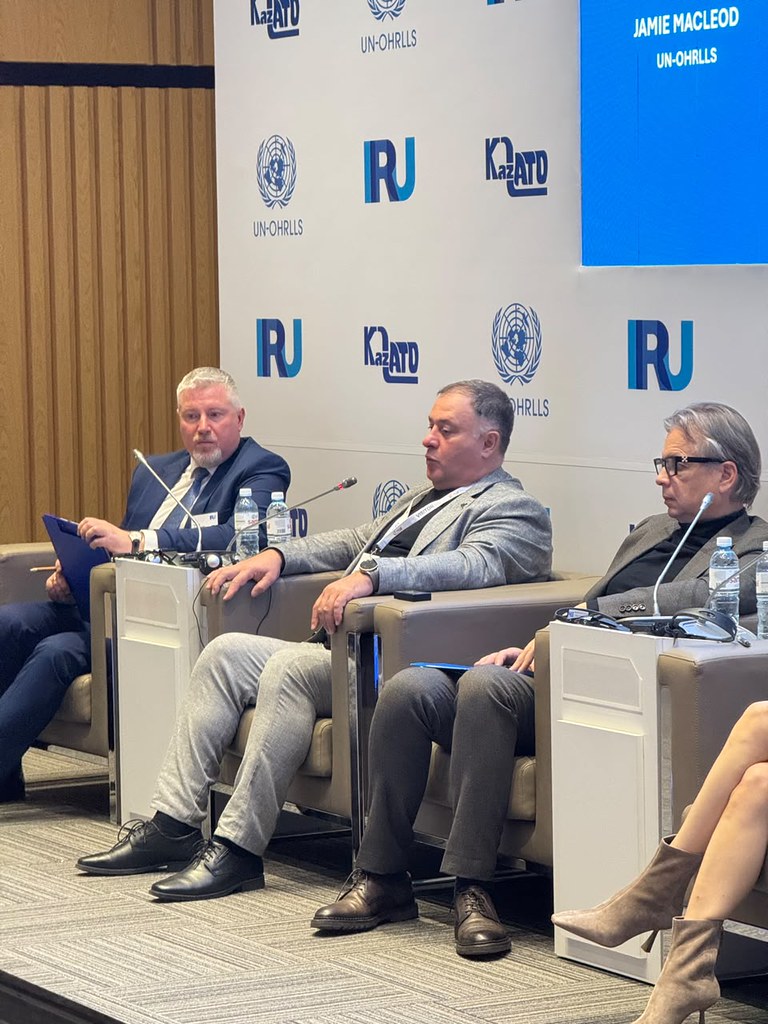
Efficient borders, modern regulation and stronger professional standards must advance together for Eurasian transport corridors to deliver their full economic potential, experts stressed at the IRU-UN-OHRLLS dialogue in Astana, Kazakhstan.
Governments, international organisations and the road transport industry came together to explore practical reforms that can increase connectivity and competitiveness across Eurasia.
The dialogue – held in support of the implementation of the UN Awaza Programme of Action – focused on three priorities: facilitating trade and transit, reinforcing regulatory frameworks, and advancing professional standards and human capital.
Making corridors work in practice
Legal instruments, efficient transit systems, harmonised regulation and digital facilitation can reduce trade and transport costs.
Participants stressed that infrastructure alone does not make a corridor competitive. Predictable border procedures, interoperable systems and internationally recognised transport and transit frameworks are equally important.
Attention then turned to the policy and institutional reforms needed to create efficient transport markets and sustainable operating conditions along regional corridors.
Speakers included representatives from Kazakhstan, Azerbaijan, the Economic Cooperation Organization, the International Trade Centre and IRU.
The updated IRU–World Bank road transport reform guidelines provide governments with a practical framework to modernise road transport, covering areas including market access, professional training and certification, international standards, enforcement and regulatory reform.