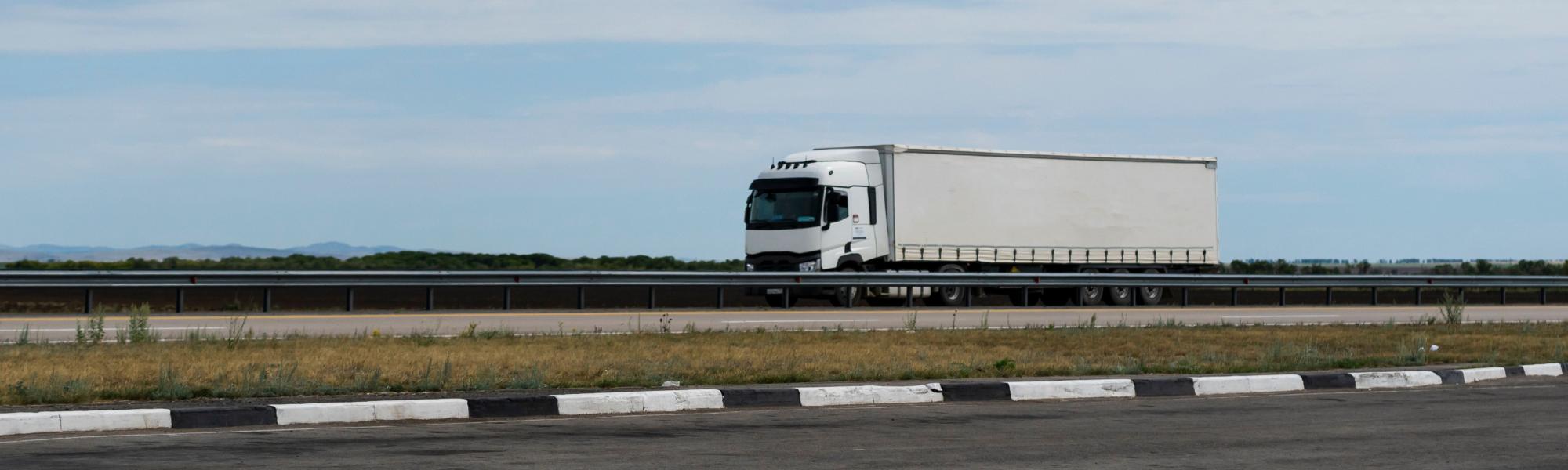
At the New Silk Way Forum in Kazakhstan, IRU called for internationally harmonised digital tools to facilitate cross-border trade, warning that disconnected national systems risk creating new barriers rather than removing existing ones.
The eighth edition of the New Silk Way International Business Forum brought together around 2,000 representatives from almost 40 countries.
Opened by Kazakhstan’s Prime Minister, the forum focused on improving connectivity between transport corridors, removing barriers to trade and accelerating digitalisation.
From paper-based to digital corridors
For decades, international conventions such as TIR and CMR have facilitated the movement of goods across borders, reducing costs and improving the predictability of deliveries.
Their digital versions, eTIR and eCMR, offer the same benefits while enabling faster data exchange and greater transparency.
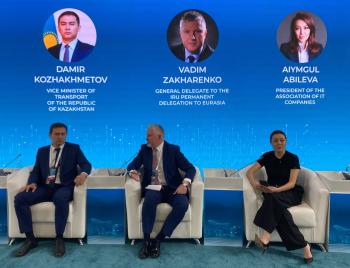
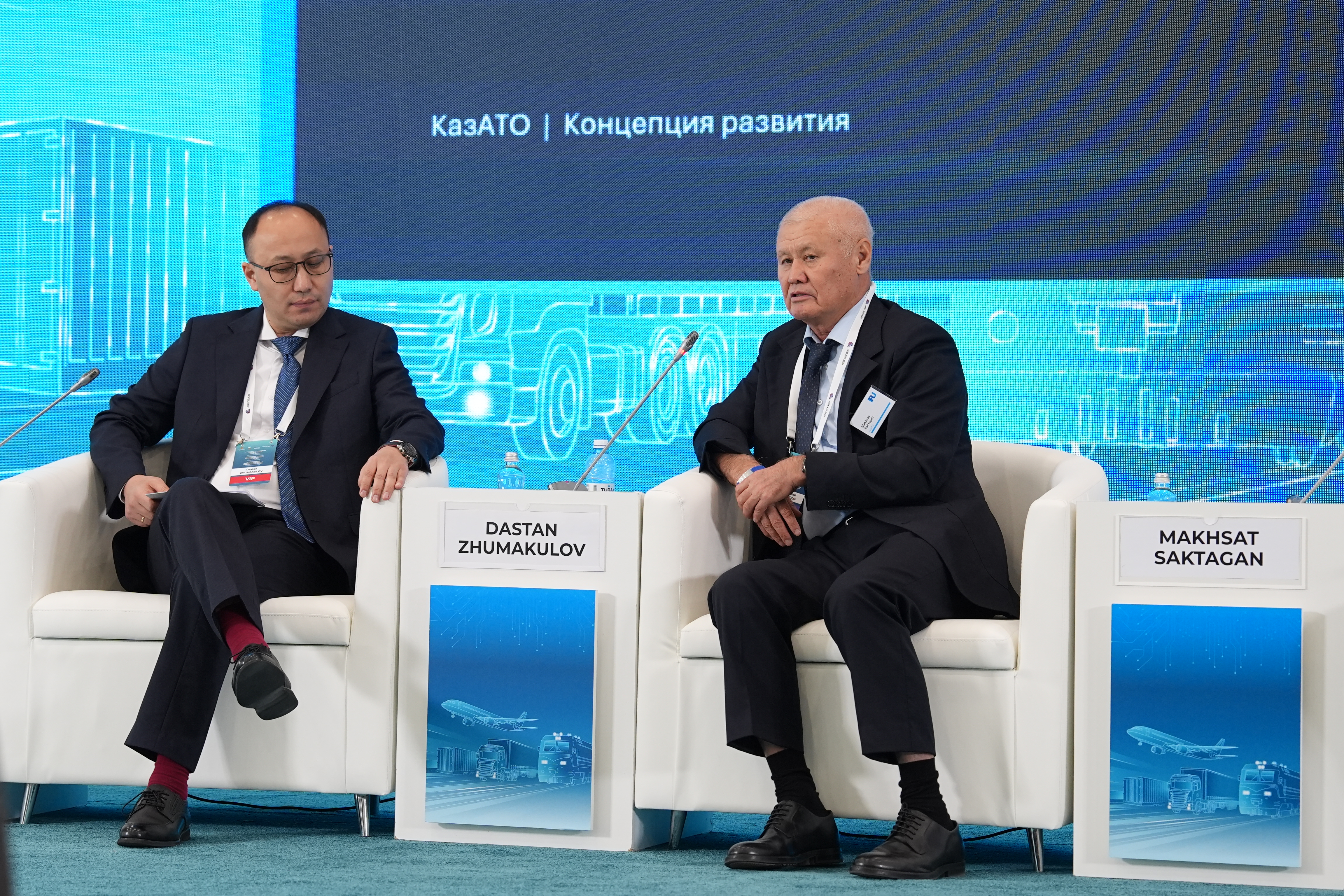
Participating in the panel on road freight’s digital ecosystem, IRU General Delegate to Eurasia Vadim Zakharenko discussed the importance of adopting internationally harmonised systems rather than disconnected solutions.
Harmonisation also lays the foundation for interoperability, which is key to removing digital barriers and eliminating the need to repeatedly submit documents to different national systems at each border.
“Digitalisation can significantly increase the benefits of road transport,” said Vadim Zakharenko. “But we need to get it right, based on internationally harmonised instruments. Otherwise, instead of facilitating trade, we risk creating new digital obstacles.”
“To create solutions that work for operators, authorities leading the digital transition need timely feedback from the private sector” he added.
IRU also pointed to existing digital tools that facilitate international transport.
TIR-EPD, for example, allows operators to submit advance cargo information to customs authorities along their route immediately after loading, supporting risk assessment and more efficient border controls.
TIR green lanes are another example, prioritising the movement of low-risk transit freight based on advance risk assessments and helping customs better manage their workload at congested borders.
eTIR and eCMR gain momentum
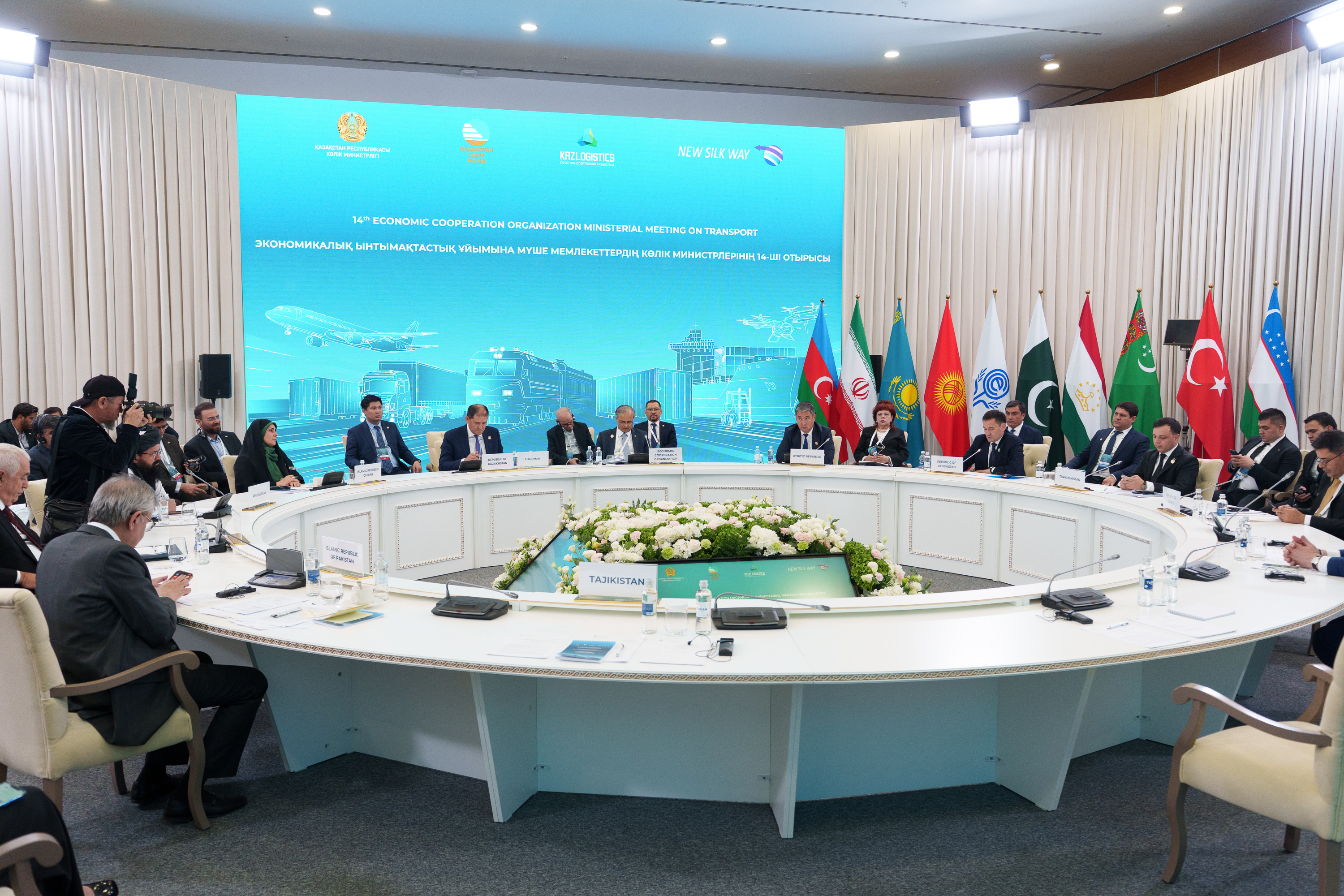
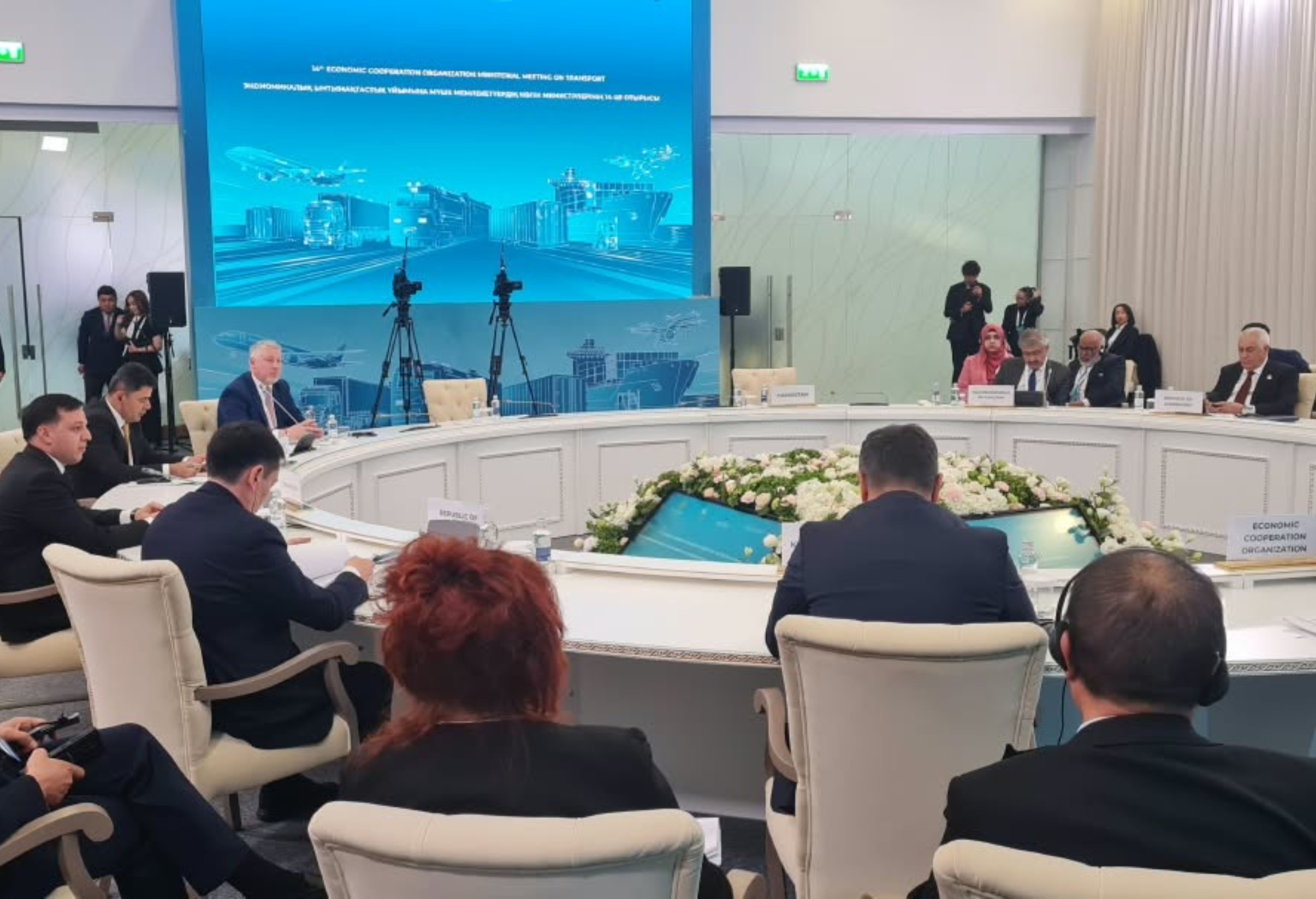
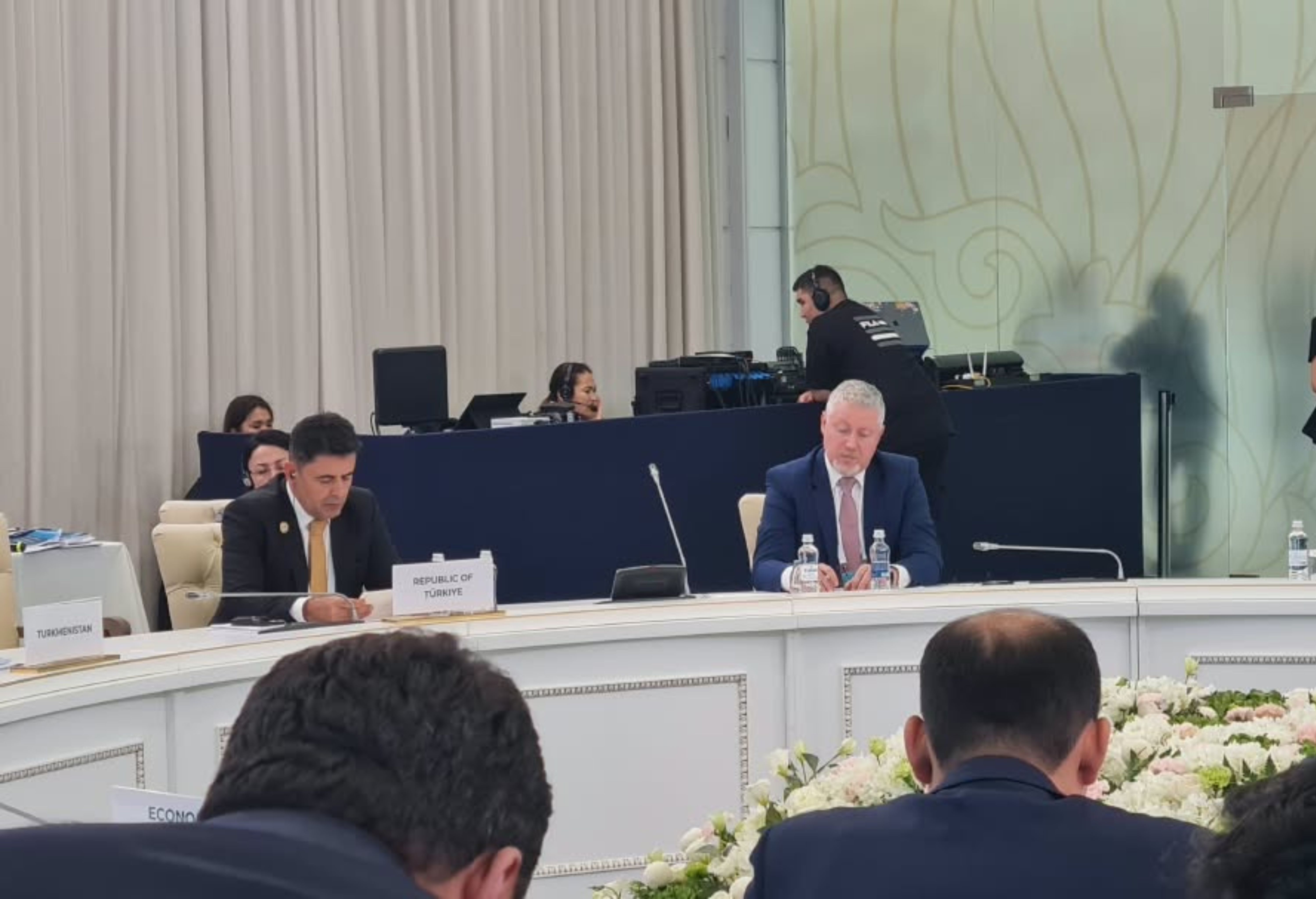
Digitalisation was also a key topic at meetings held by the Economic Cooperation Organization (ECO) as part of Kazakhstan Transport Week.
During a dialogue with the private sector, Vadim Zakharenko outlined recent progress on bilateral and multilateral eTIR pilots across the region.
Cooperation between UNECE, IRU, ECO, customs authorities and road transport associations is helping shift the focus from individual national implementations towards interconnected regional eTIR corridors.
These developments are particularly important as border delays remain a major obstacle to regional connectivity.
Initiated by the ECO Secretariat and supported by ECO member states, the dialogue demonstrated the importance of public-private partnerships in advancing transport connectivity and safe, efficient and green mobility and logistics across the ECO region and beyond.
The New Silk Way Forum also marked the launch of a new eCMR pilot within the Eurasian Economic Union, another step towards digitalising international road freight.
Business matching
As part of Kazakhstan Transport Week, IRU organised a business-matching session between freight forwarders represented by the World International Freight Forwarder Alliance (WIFFA), a leading freight forwarders' alliance closely associated with the China Federation of Logistics & Purchasing, and operators represented by KazATO and its members.
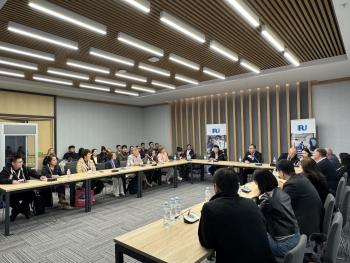
Building on the newly established relationships, IRU and WIFFA recognise the importance of connecting cargo demand with transport capacity and building synergies along supply chains. Participants had an opportunity to establish new business contacts, share TIR best practices and explore new TIR opportunities across different corridors in the region.