Customs leaders from across the Organization of Turkic States have reaffirmed their support for expanding TIR and eTIR, placing them at the heart of stronger regional connectivity and faster, more secure border crossings.
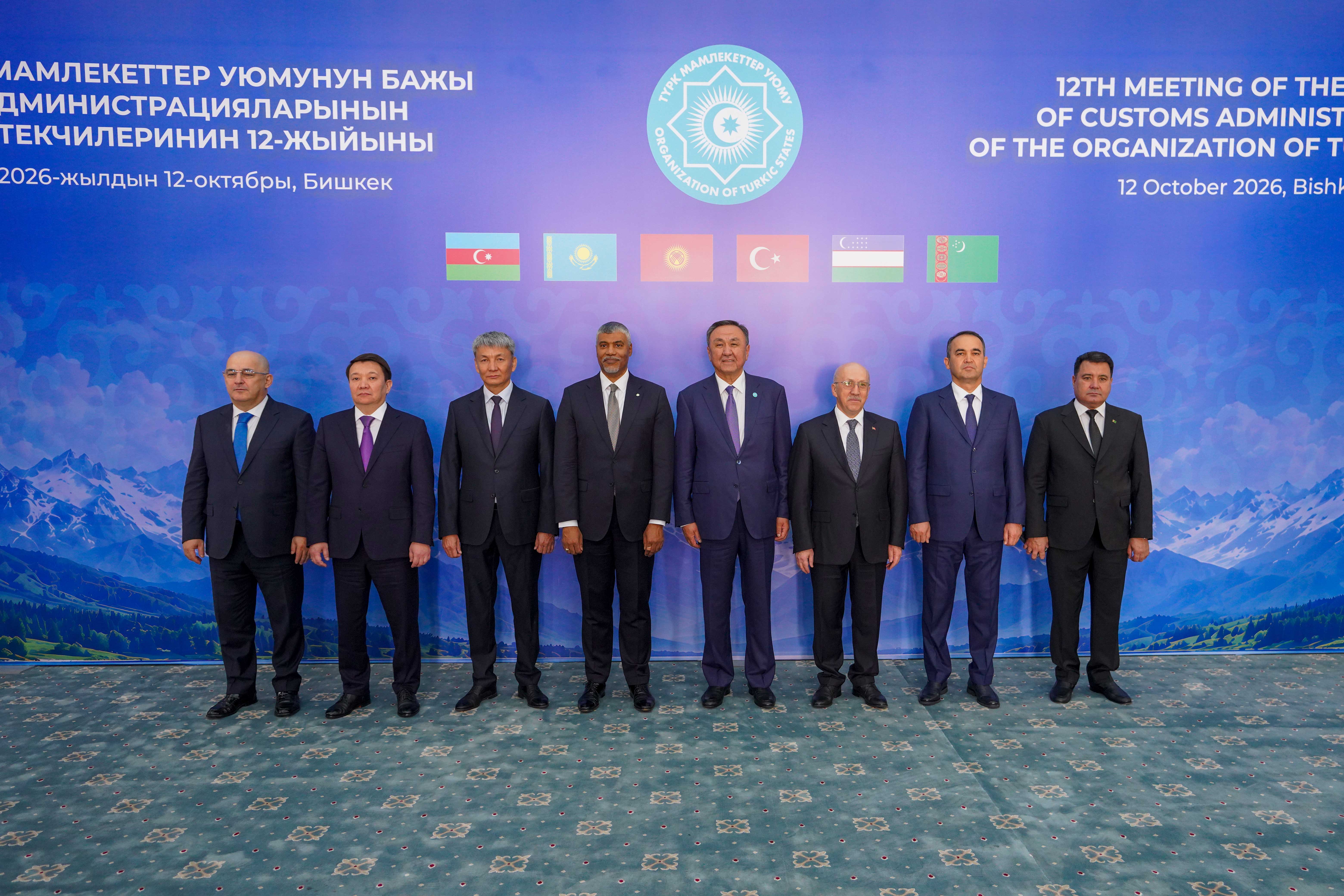
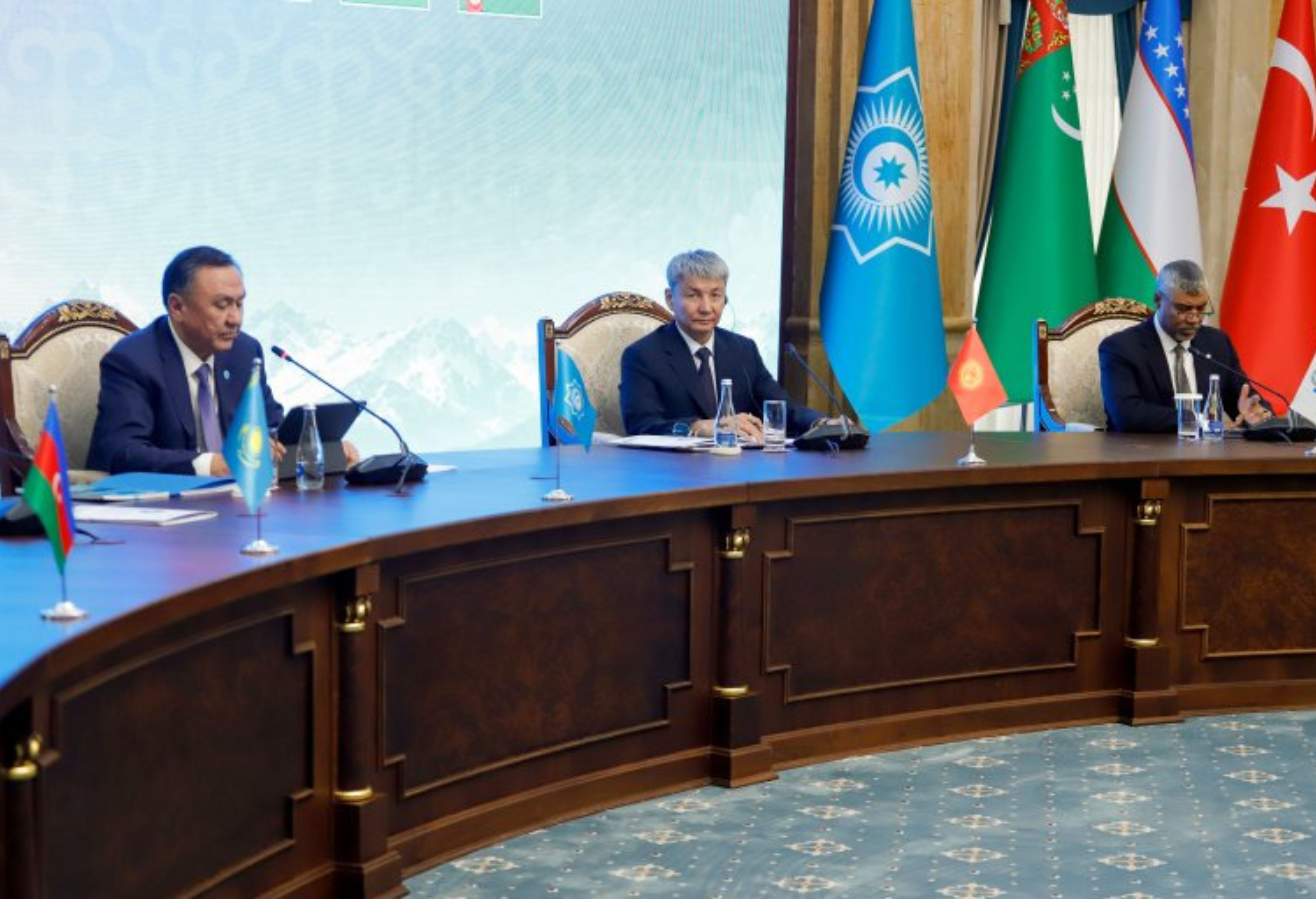
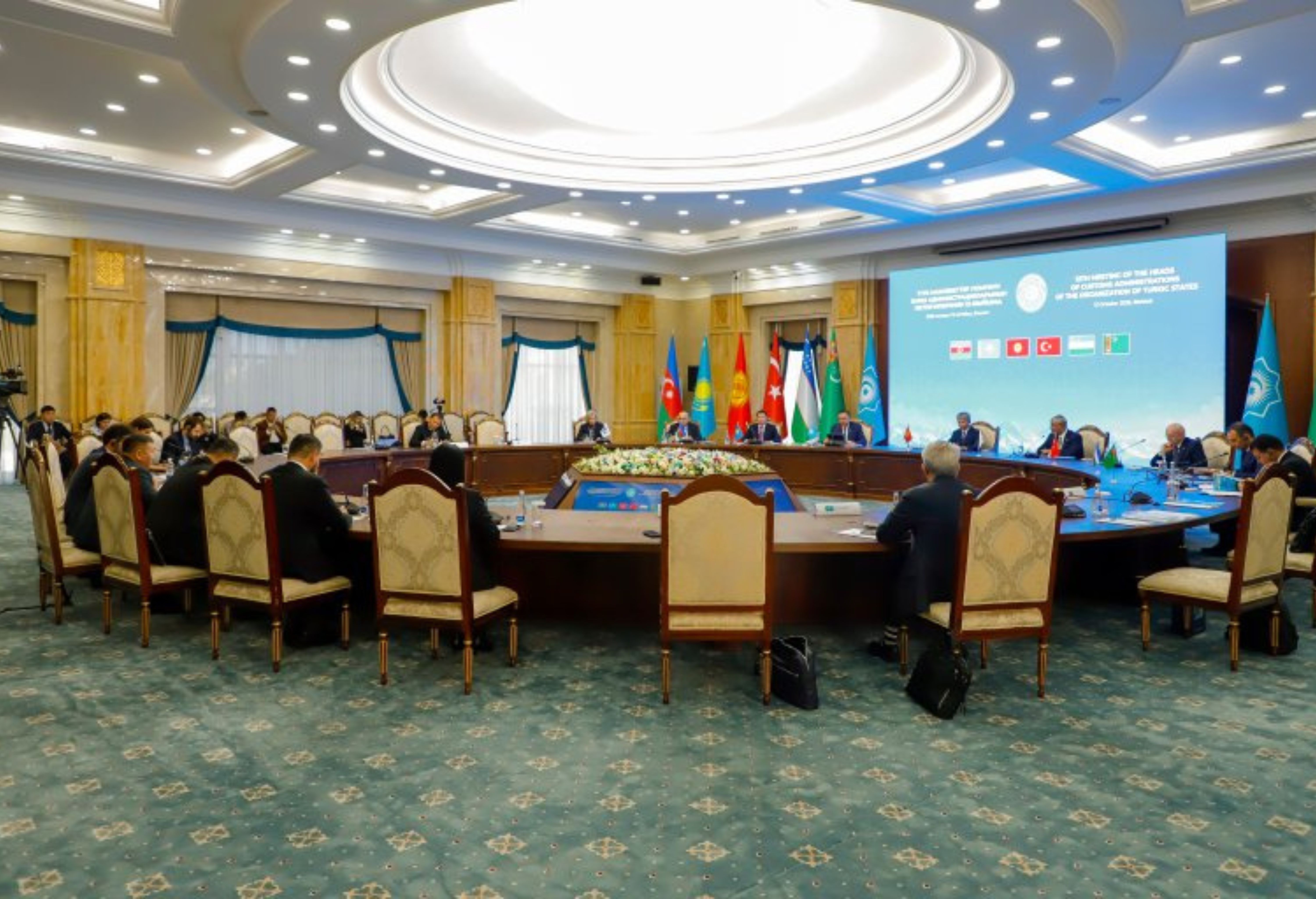
The 12th Meeting of the Heads of Customs Administrations of the Organization of Turkic States (OTS) in Bishkek, Kyrgyzstan, brought together customs leaders, OTS Secretary General Kubanychbek Omuraliev, World Customs Organization (WCO) Secretary General Ian Saunders and IRU Director of TIR and Transit Services Tatiana Rey-Bellet.
The heads of customs, along with the secretaries general of the OTS and WCO, stressed the importance of TIR and its digital version, eTIR, in facilitating trade and transit.
They highlighted the value of using existing, proven international instruments to simplify customs procedures and strengthen regional cooperation.
eTIR gains ground across Central Asia
eTIR is now operational along several corridors connecting Azerbaijan, Kyrgyzstan, Tajikistan, Turkmenistan and Uzbekistan.
Türkiye and Kazakhstan are preparing to launch eTIR operations along the Türkiye–Azerbaijan and Kazakhstan–Uzbekistan corridors.
This marks an important step towards seamless digital transit across Central Asia and beyond. Tatiana Rey-Bellet highlighted the role of cooperation between customs authorities, UNECE, IRU and the OTS in driving this progress.
She also outlined priorities for further expansion, including links with Europe and China, where eTIR preparations are under way. The goal is to establish digital transit corridors stretching from Asia to Europe, with the OTS region at their centre.
Turning digital progress into faster borders
Participants also discussed the need to turn digital progress into practical improvements at borders. The OTS has been supporting the implementation of TIR green lanes to facilitate the movement of low-risk cargo while enabling customs authorities to focus on higher-risk shipments. Building on this progress, IRU called for green lanes to be extended to eTIR operations.
Another priority is ensuring that customs authorities and operators have the skills needed to use digital systems effectively. Uzbekistan's customs administration emphasised the need for continuous training as countries transition from paper-based to fully digital TIR operations.
Addressing the meeting, Tatiana Rey-Bellet reaffirmed IRU’s commitment to supporting customs administrations through technical cooperation, training and secure and transparent transit procedures.
“As the organisation representing the road transport sector and the broader supply chain and mandated to manage the TIR system, IRU remains fully committed to supporting customs administrations in achieving their objectives of secure and facilitated transit and trade,” said Tatiana Rey-Bellet.