Choose your language

Smarter corridors, faster trade: IRU at UNESCAP events in Bangkok
Asia | Bangkok

Smarter corridors, faster trade: IRU at UNESCAP events in Bangkok

19 Nov 2026 · Prosperity, Environment

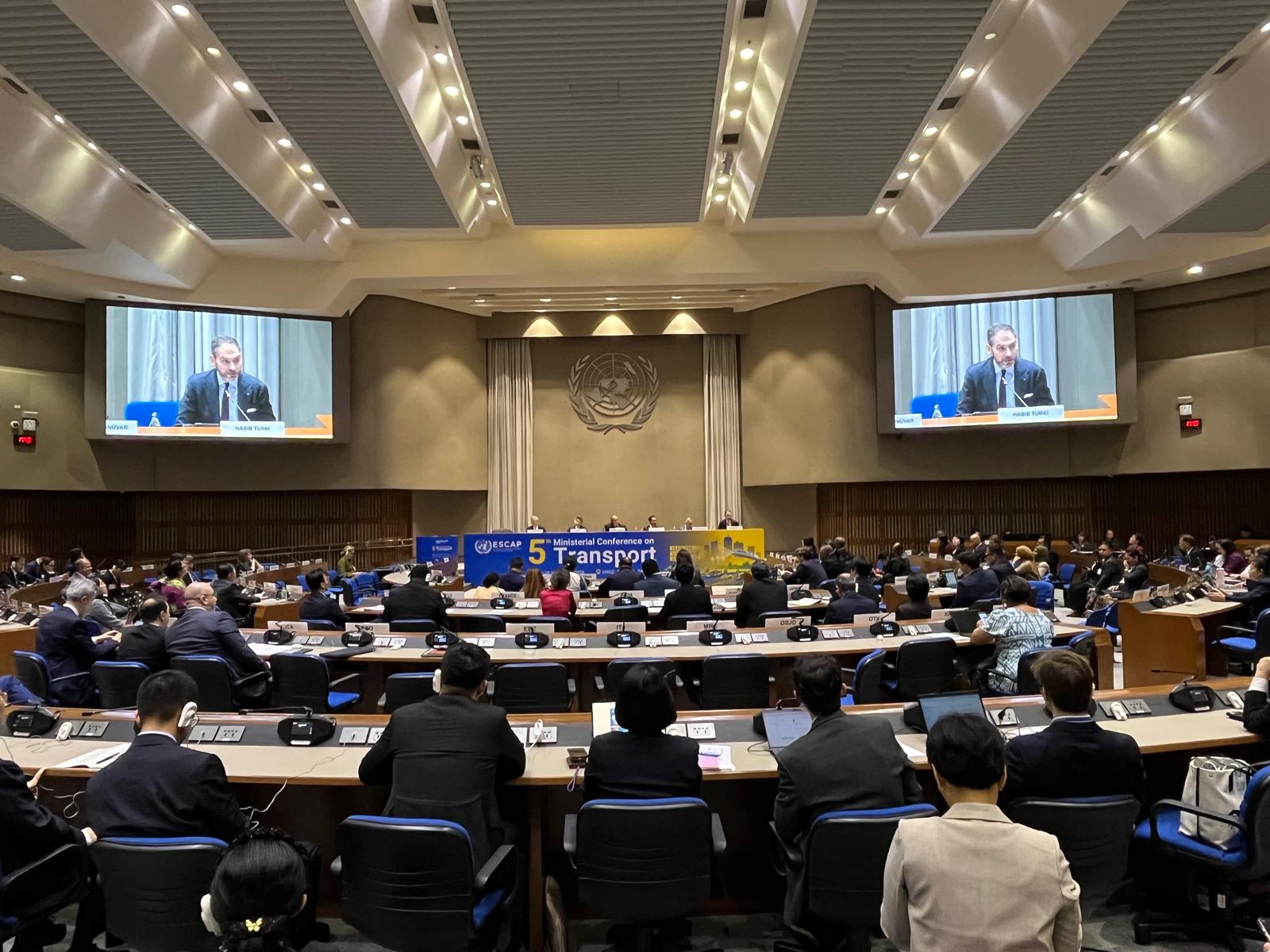
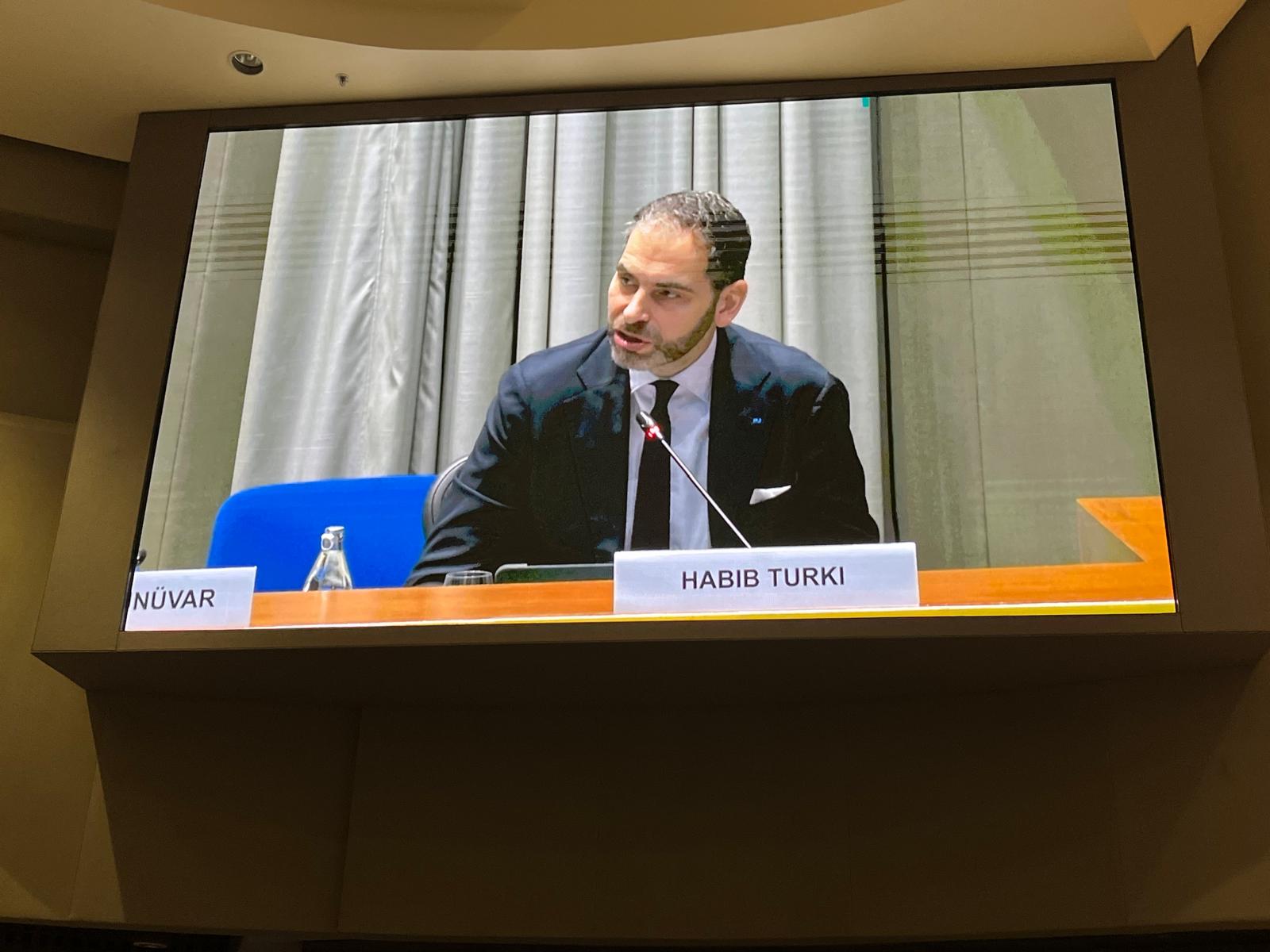
Roads alone don’t keep goods moving. At two high-level events this week, IRU Secretary General Habib Turki called for smarter borders, digitalisation and stronger international cooperation to streamline transport corridors and connect landlocked economies to global markets.

Transport connectivity is an economic and geopolitical necessity.

But building roads and other physical infrastructure is only half the job.

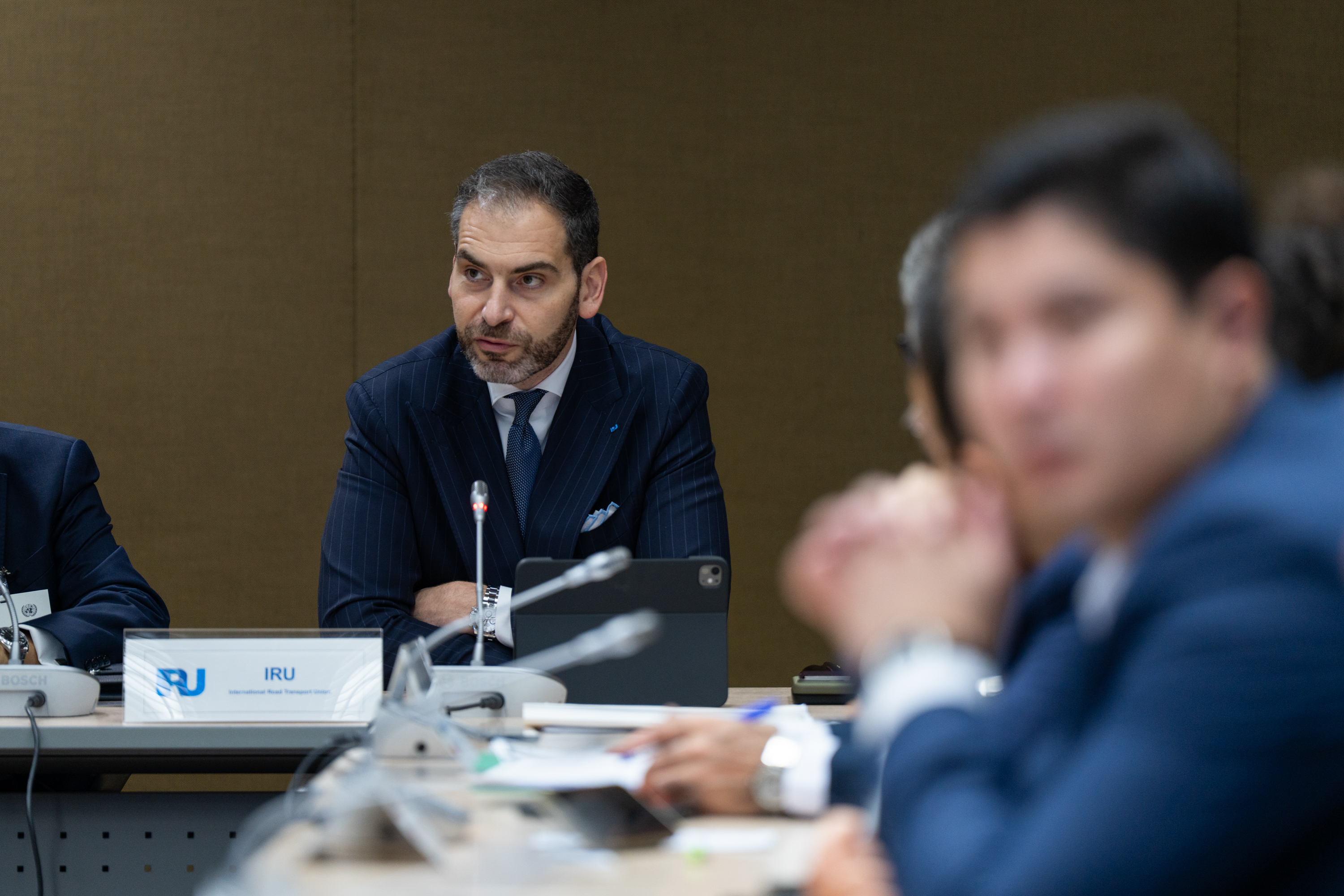
“Trade works best when borders work properly,” said Habib Turki at the Fifth Ministerial Conference on Transport. “And when borders work better, trade and development grow.”

“We need greater investment in trade facilitation, harmonised border procedures and digital transport documents,” he added.

The growing importance of the Middle Corridor highlights the need for diversified trade routes. But unlocking its full potential means removing border bottlenecks and making transport more efficient. 

The TIR system, which cuts border transit times by up to 92% and transport costs by up to 50%, offers a proven solution.

Digital tools such as eTIR and eCMR can further simplify procedures, reduce paperwork and make supply chains more predictable.
Smarter corridors, faster trade: IRU at UNESCAP events in Bangkok

Turning landlocked into land-linked

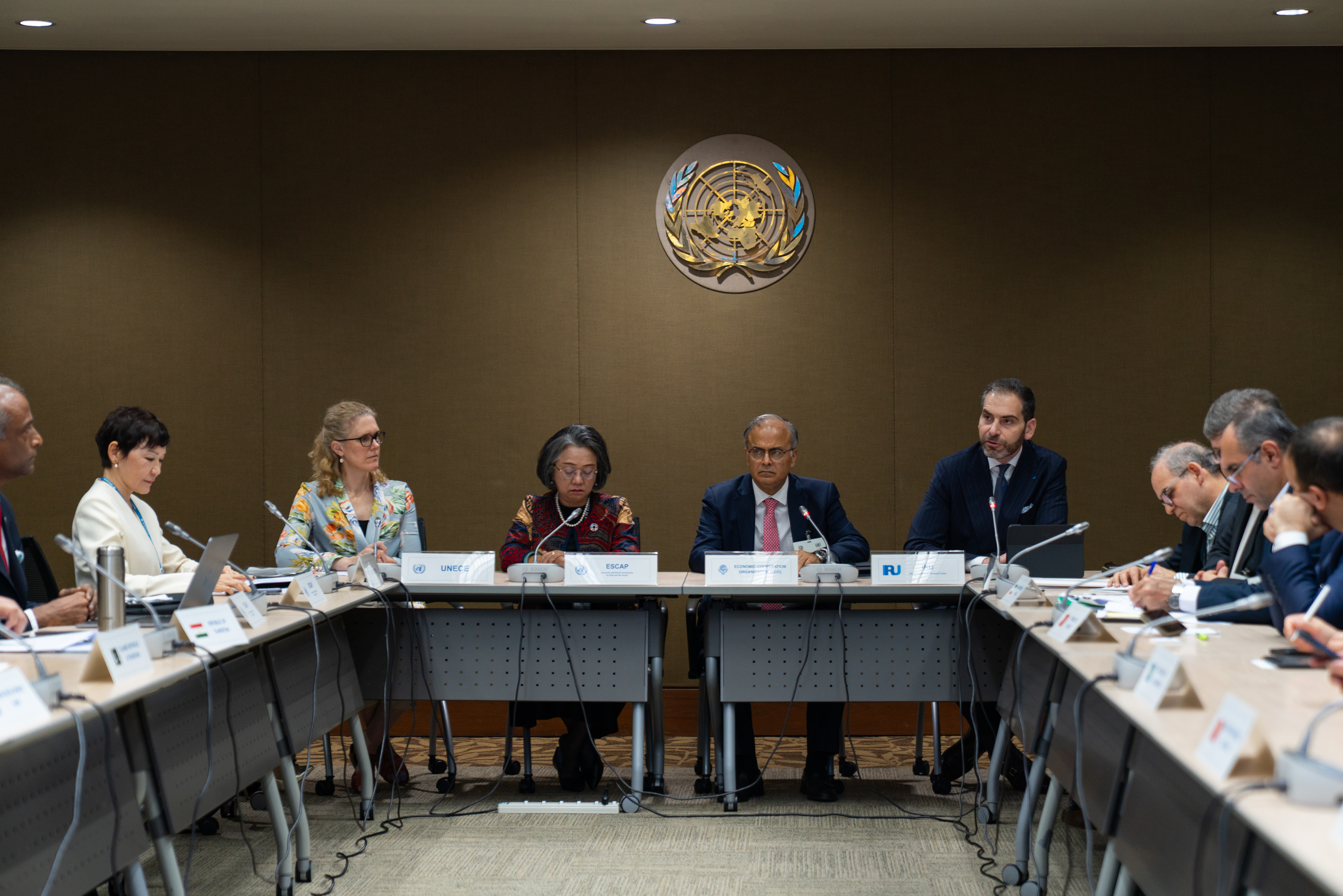
At a separate event organised by UNESCAP and the Economic Cooperation Organization, Habib Turki highlighted road transport's vital role in implementing the Awaza Programme of Action for Landlocked Developing Countries 2024–2034.

For the world's 32 landlocked developing countries, efficient road transport and transit systems are lifelines to seaports, international markets and economic opportunities.

Yet border delays, complex procedures and inefficient corridors continue to hold back trade and development.

“Every hour saved at a border means lower costs, greater competitiveness and improved access to markets,” said Habib Turki.

“By expanding the use of international transport conventions and strengthening regional cooperation, countries can transform geographical disadvantages into economic opportunities,” he added.

Smarter corridors, faster trade: IRU at UNESCAP events in Bangkok

Strengthening cooperation: bilateral talks

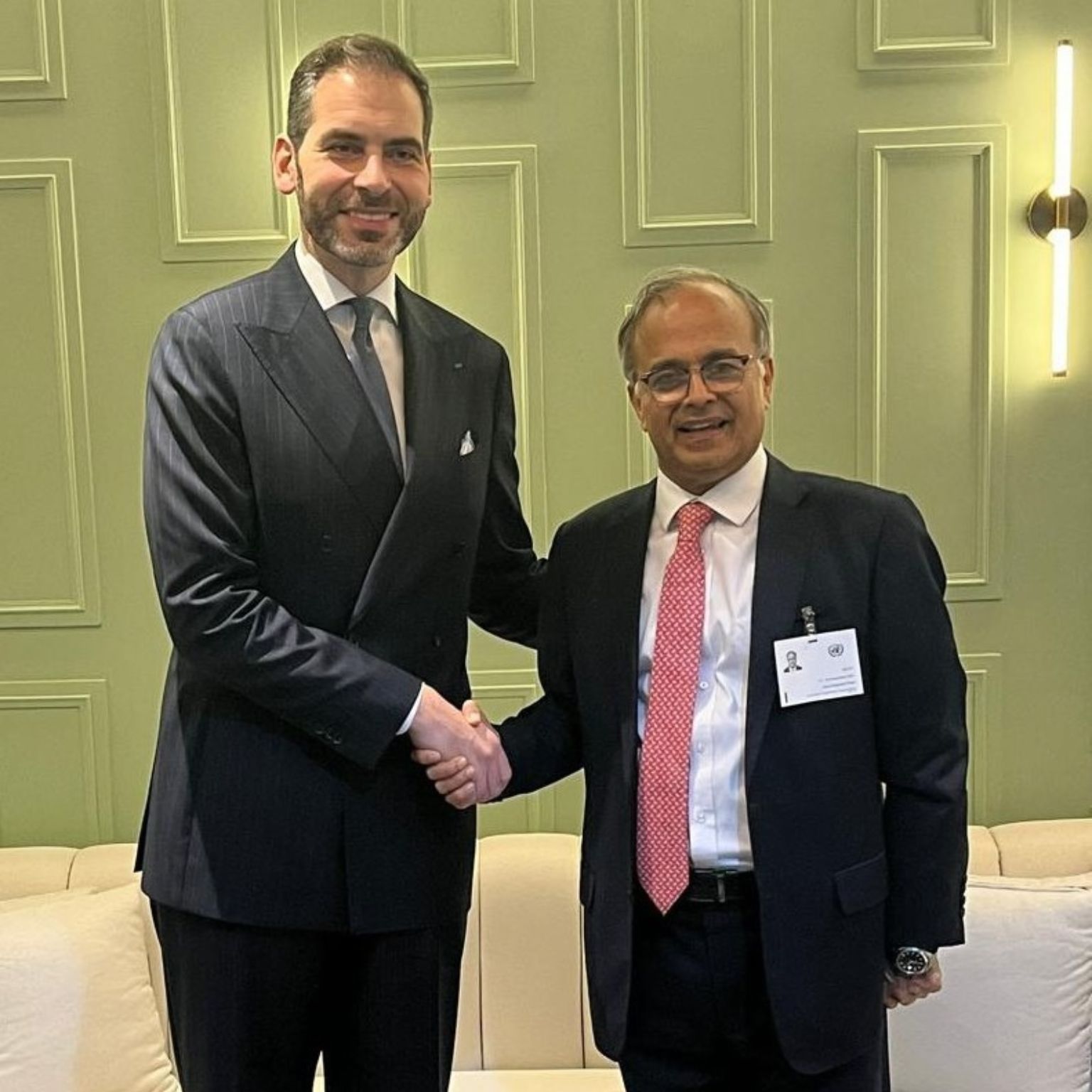
On the sidelines of the events, Habib Turki met with Türkiye's Deputy Minister of Transport Durmuş Ünüvar and Director General Burak Aykan.

Discussions addressed the economic impact of corridor bottlenecks, particularly visa and permit restrictions, as well as cooperation on the UN Secretary-General's High-Level Panel on Freedom of Transit and Türkiye's upcoming presidency of the International Transport Forum (ITF) Summit.

With ECO Secretary General Ambassador Dr Asad M. Khan, talks focused on activating trade and transport corridors, facilitating trade and developing cross-border trade zones to strengthen regional economic integration.

Further exchanges with the ITF and UNECE focused on preparations for the upcoming ITF Summit and UNECE Inland Transport Committee meeting.

IRU will continue working with governments and international partners to turn regional connectivity ambitions into practical improvements at borders and along trade corridors.