Choose your language

Seamless connectivity: Bridging the world with TIR-backed road transport
Global | Geneva

Seamless connectivity: Bridging the world with TIR-backed road transport

19 Dec 2025 · Prosperity

More than 75 years since TIR – the only global transit system – started reviving and connecting European economies, the system continues to evolve and expand. This year-in-review article looks at five key developments from 2025.

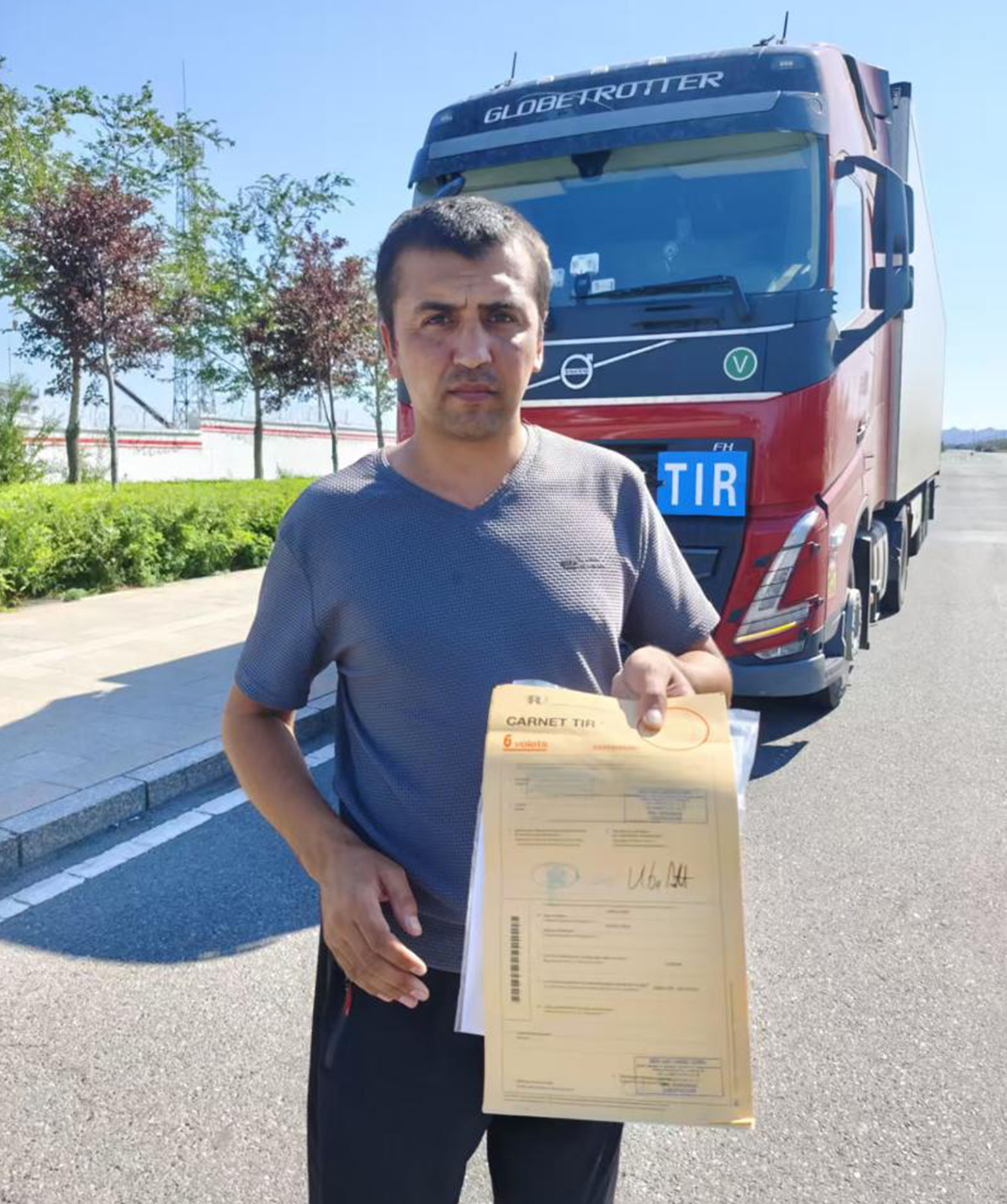
Managed by IRU under a United Nations mandate, TIR lets you ship goods from one country to another, transiting as many as needed along the way, via a secure, multilateral, multimodal and mutually recognised system.

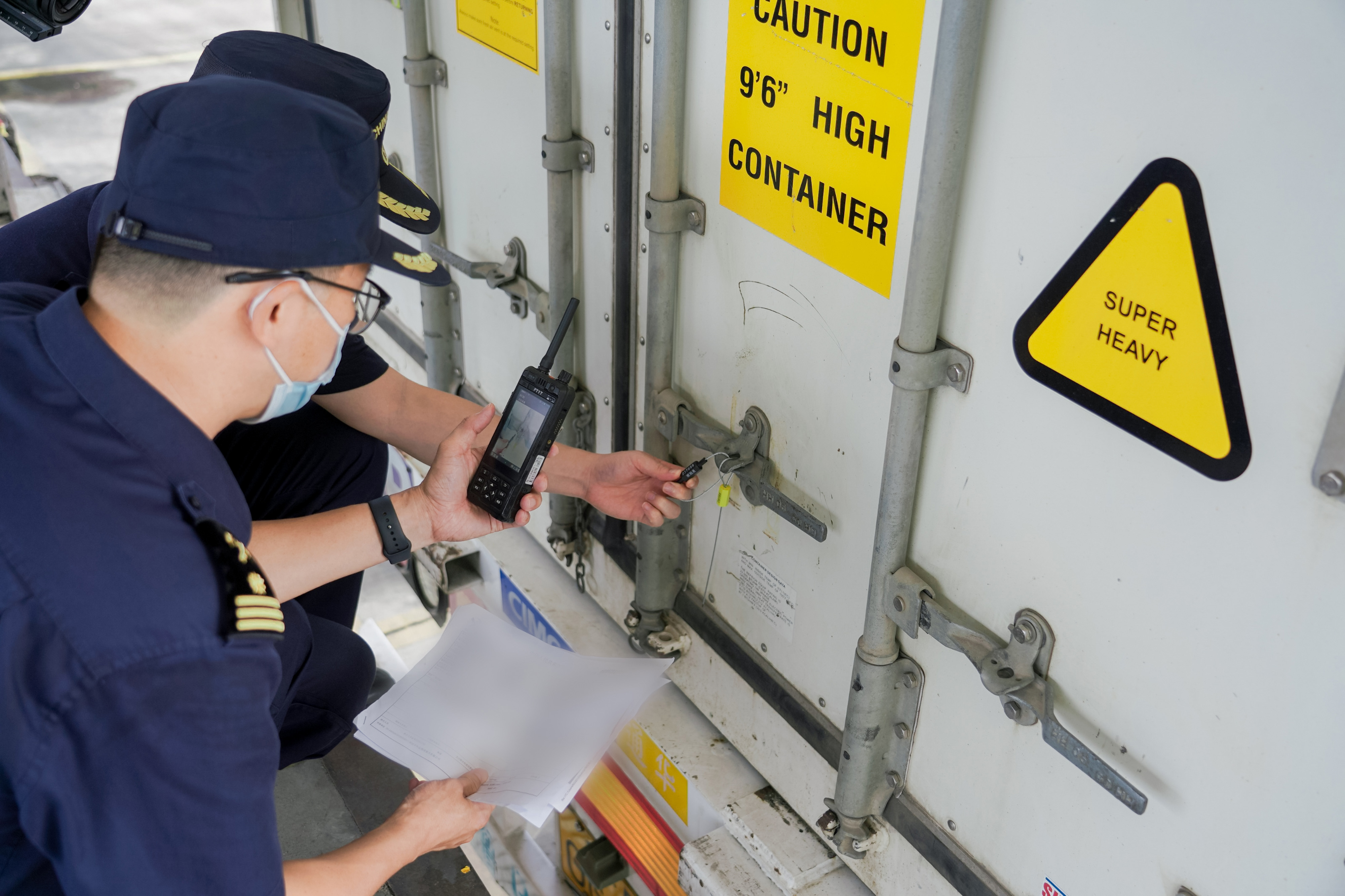
The goods are sealed at the point of origin and only reopened at their destination – regardless of how many national borders are crossed.

In essence, TIR allows trucks to cross borders efficiently and securely.

The tried-and-tested system has been shown to reduce border transit times by up to 92% and lower transport costs by up to 50%.

Here are five key TIR developments from 2025.

Prioritising TIR trucks at borders

Although TIR trucks benefit from facilitated border procedures, this advantage is often hindered when non-TIR trucks cause delays.

What’s the way around this? TIR prioritisation solutions.

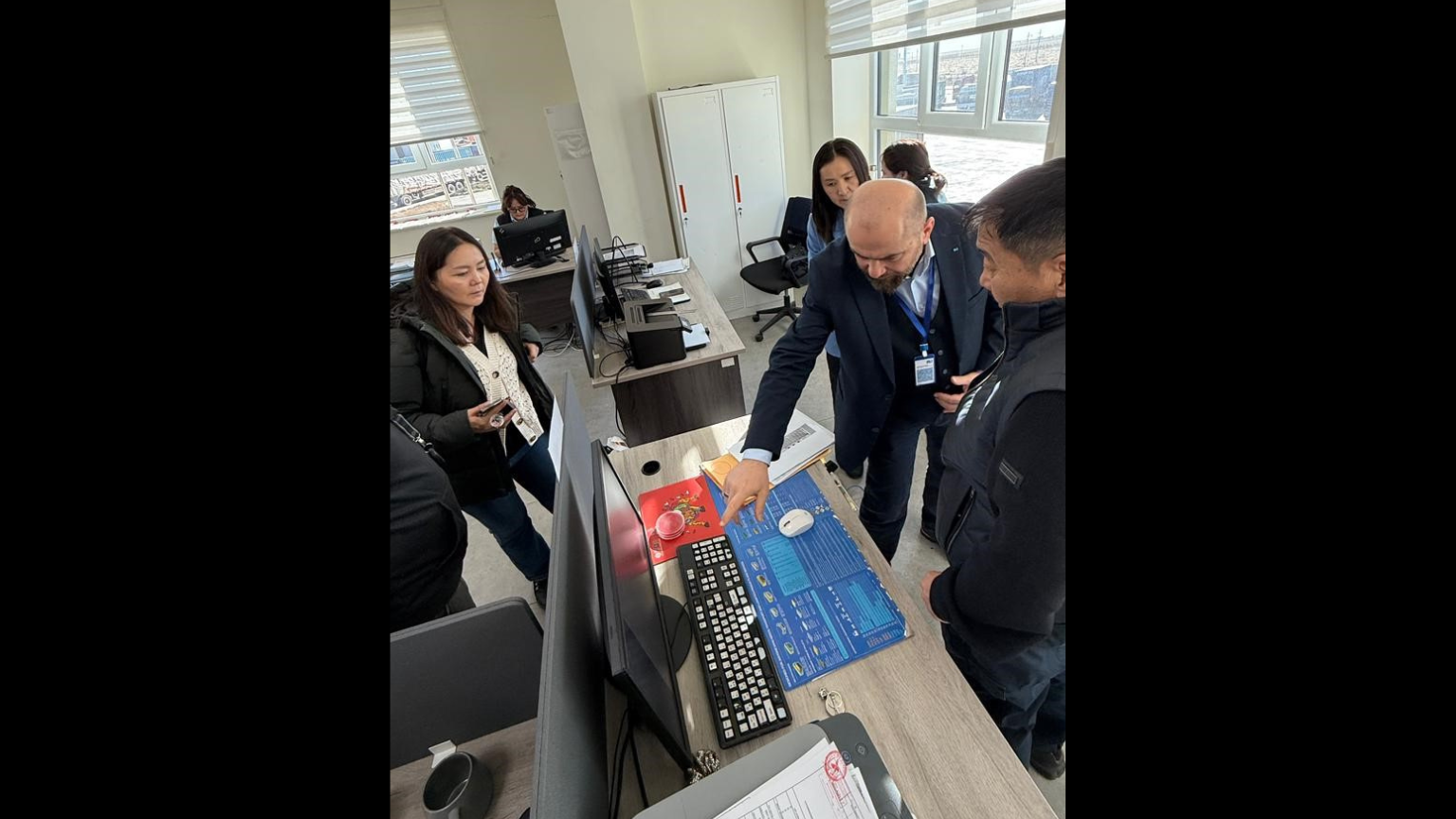
Countries are increasingly introducing TIR prioritisation solutions at their border crossings. The result? Even faster secure trade with TIR.

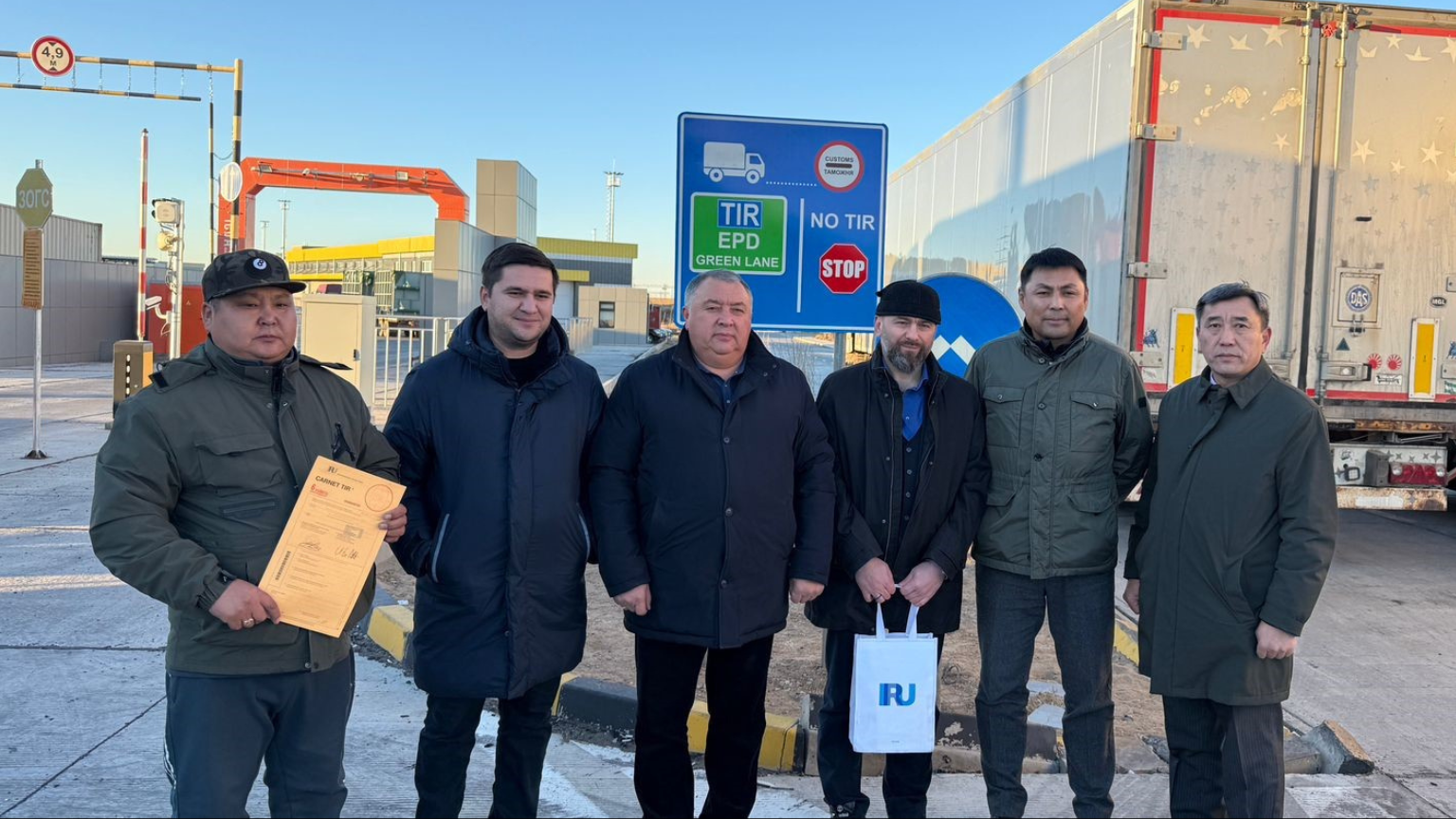
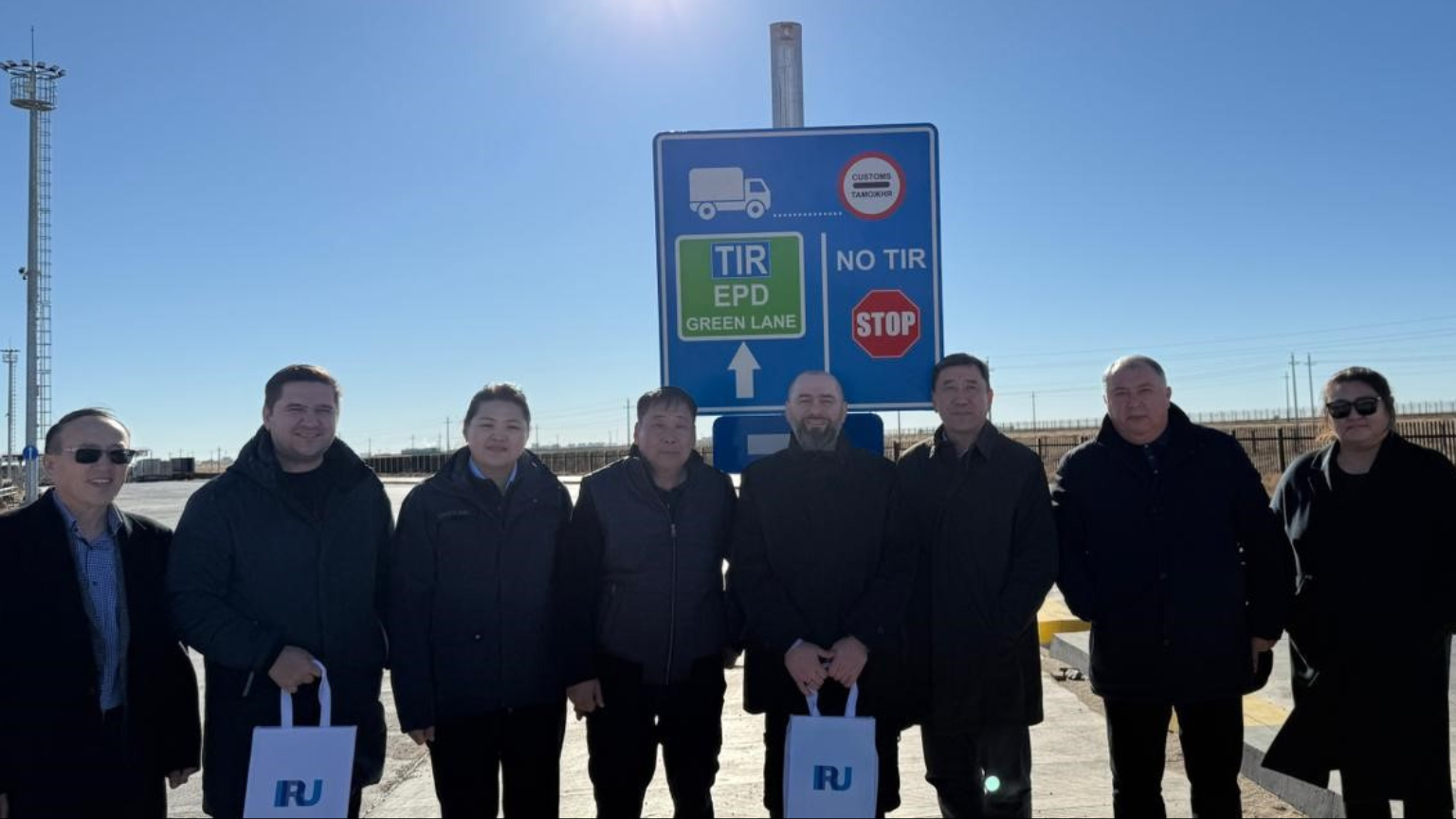
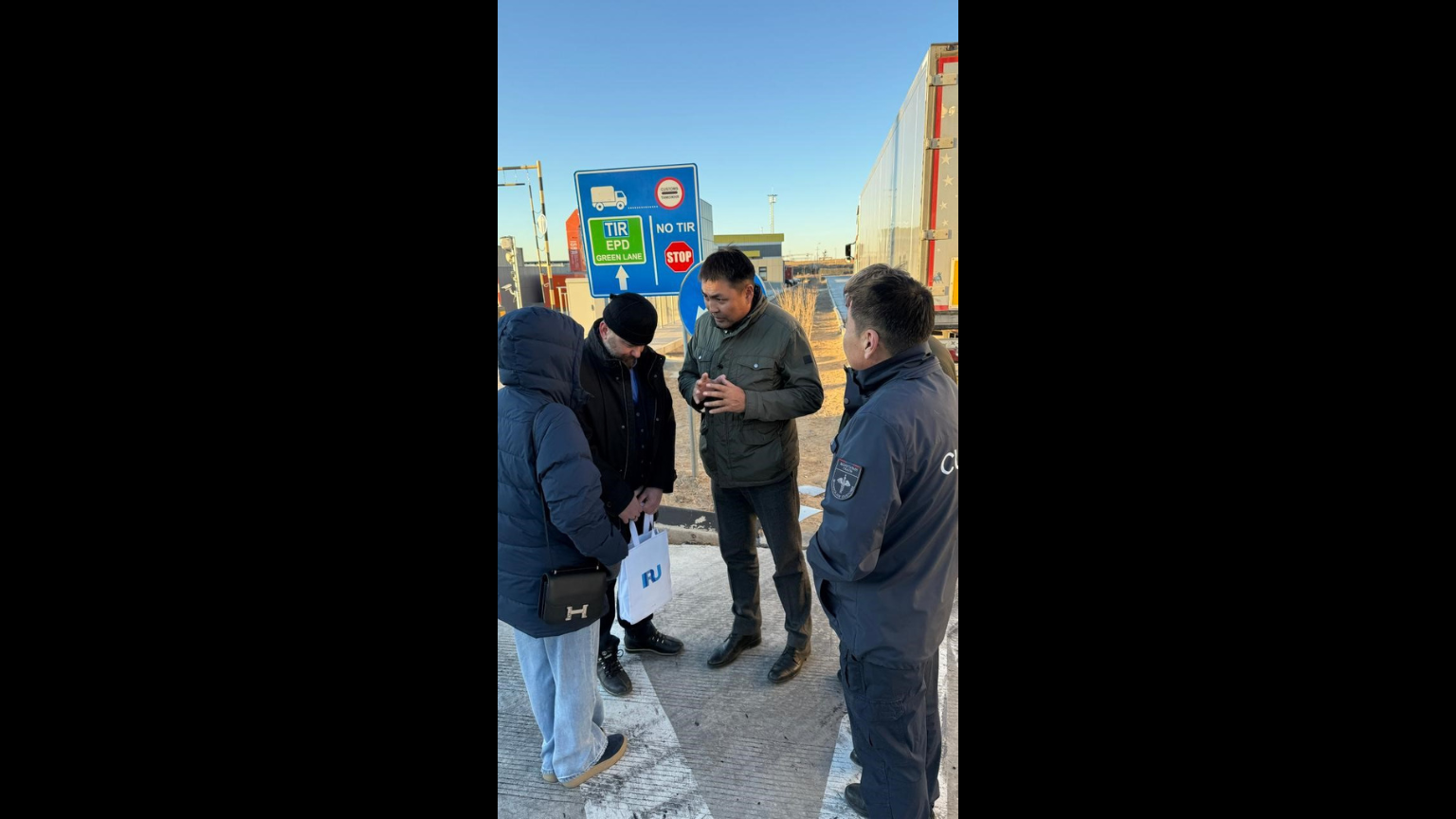
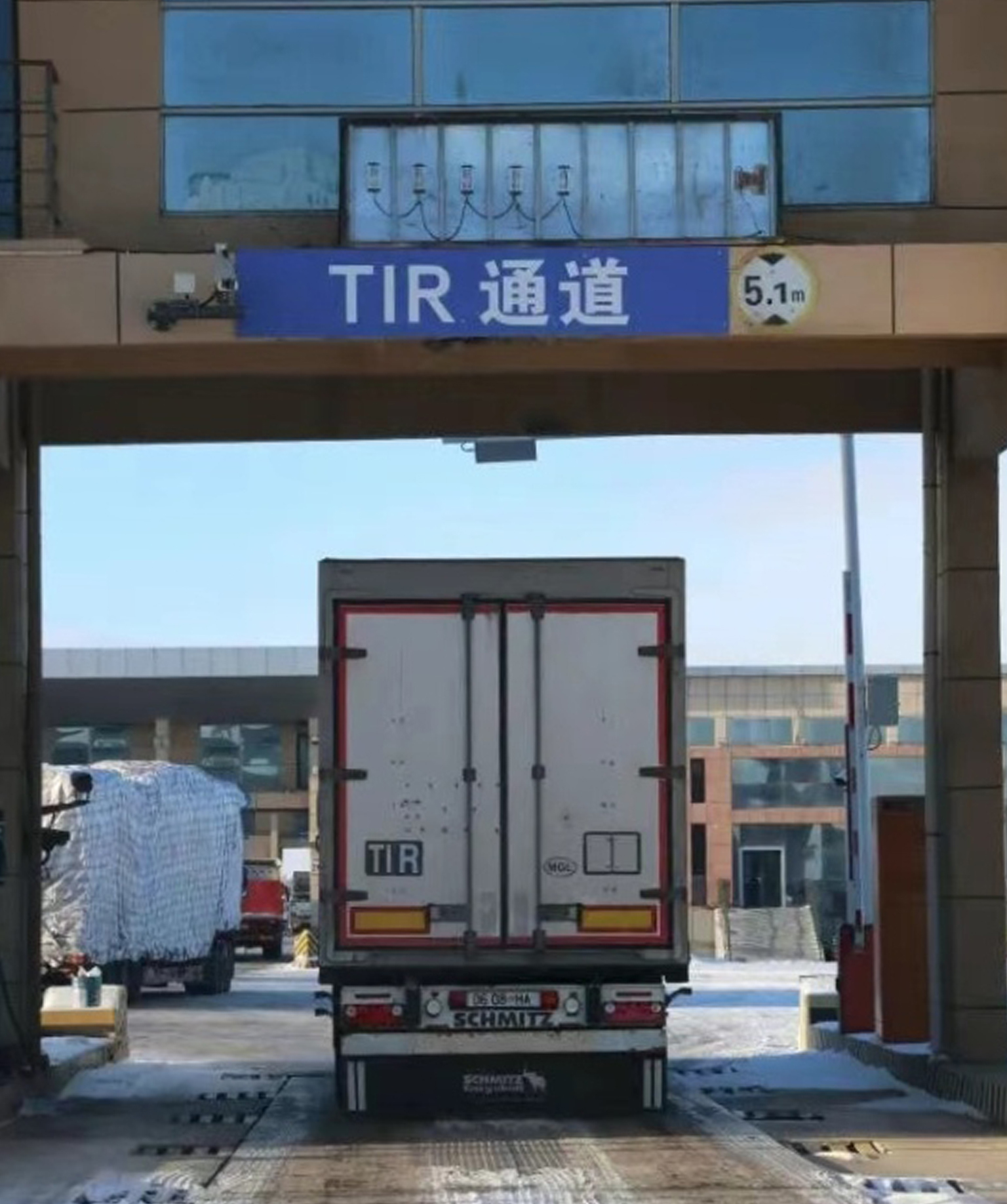
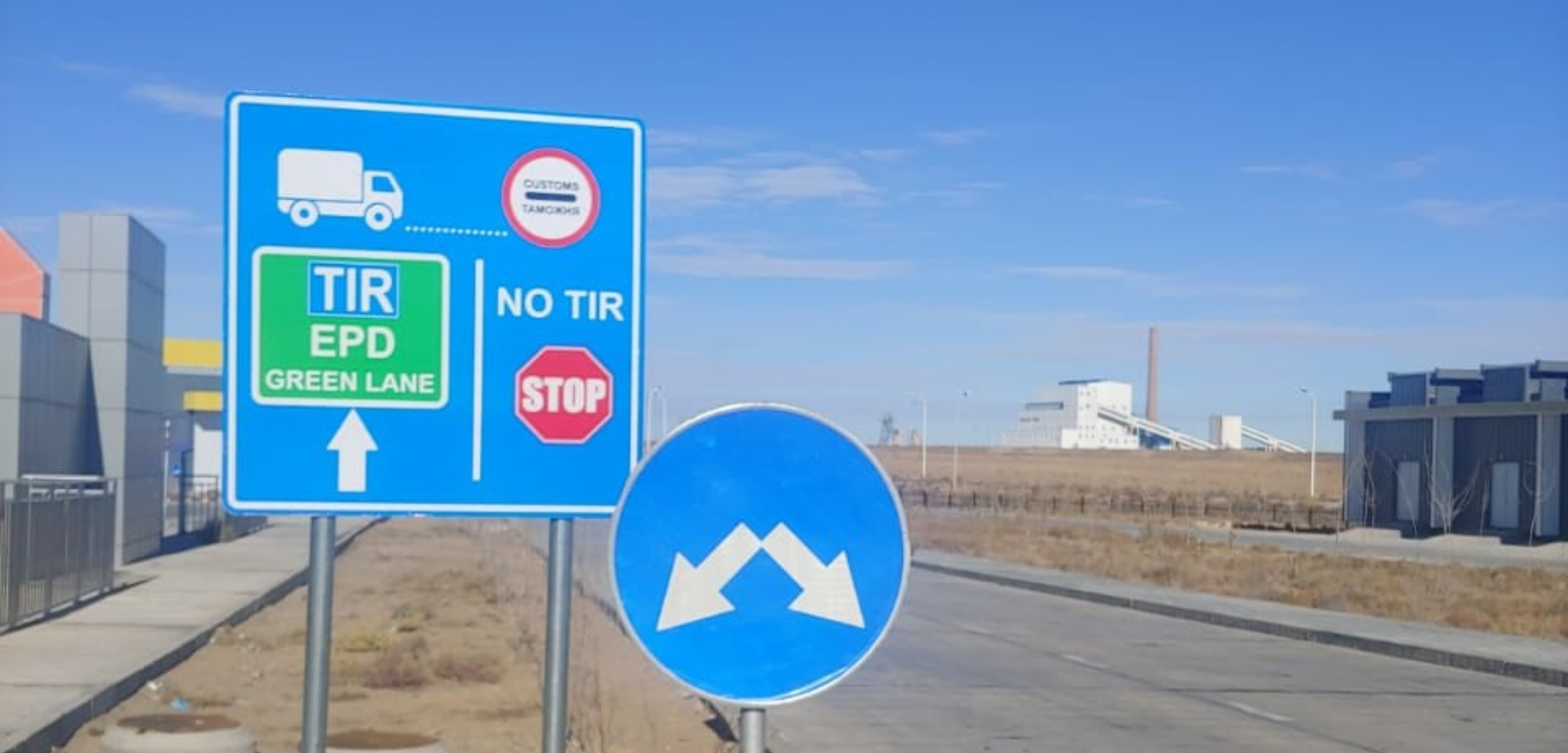
All Central Asian countries, as well as Romania, Moldova, China, Mongolia and Saudi Arabia, have implemented priority lanes or windows for TIR.

TIR operators using TIR-EPD – a system that allows to send information to customs for risk management purposes and to separate low-risk TIR trucks from high-risk cargo – can proceed directly to these designated lanes or windows upon arrival, significantly accelerating customs procedures for international trade by truck.

Sometimes, several categories of transport or operators, such as authorised economic operators, can use these lanes. Nevertheless, the principles of prioritisation – security and trustworthiness – remain the same.
Seamless connectivity: Bridging the world with TIR-backed road transport

Iraq steals the show

When it comes to TIR, Iraq stole the show in 2025.

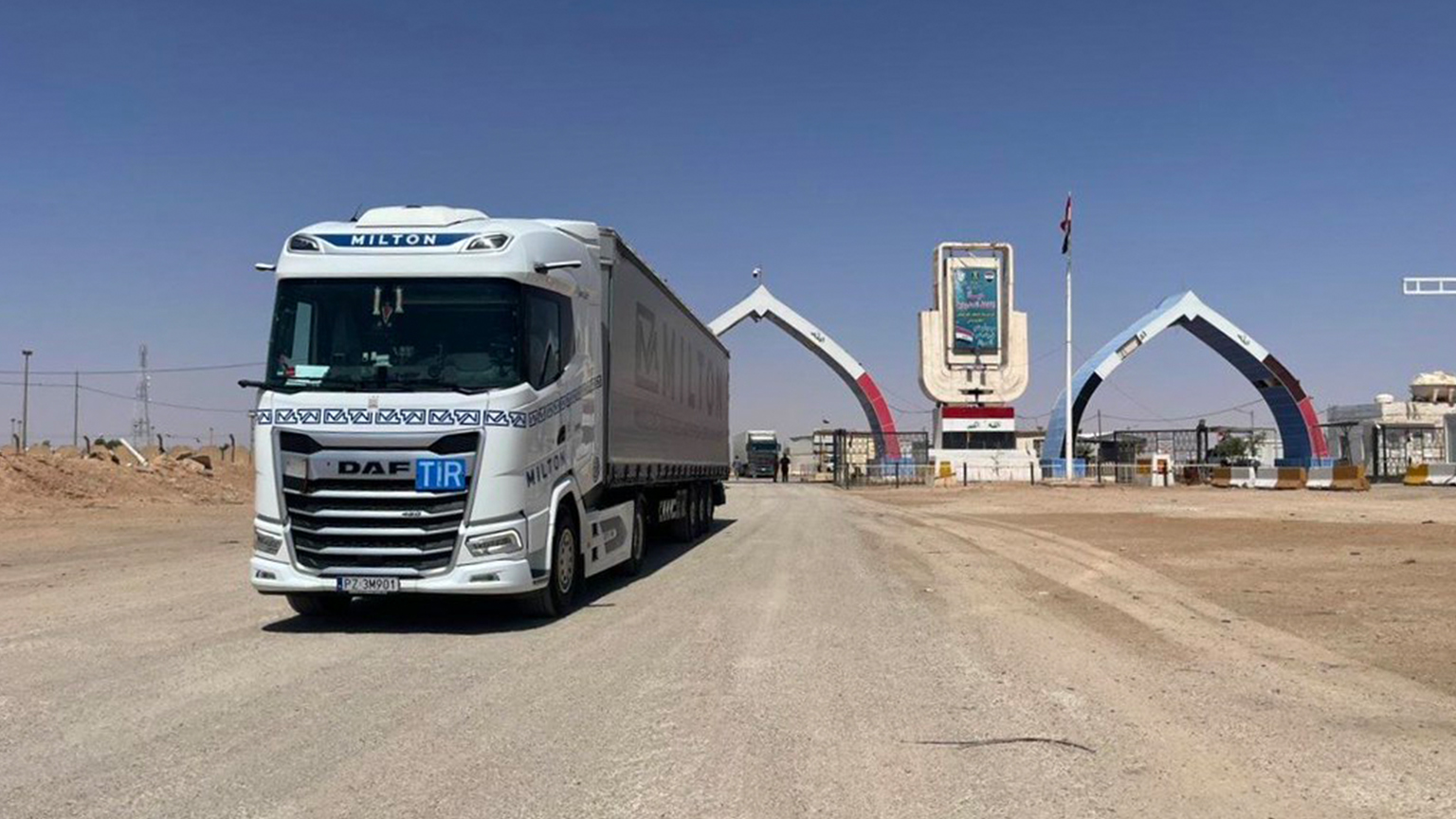
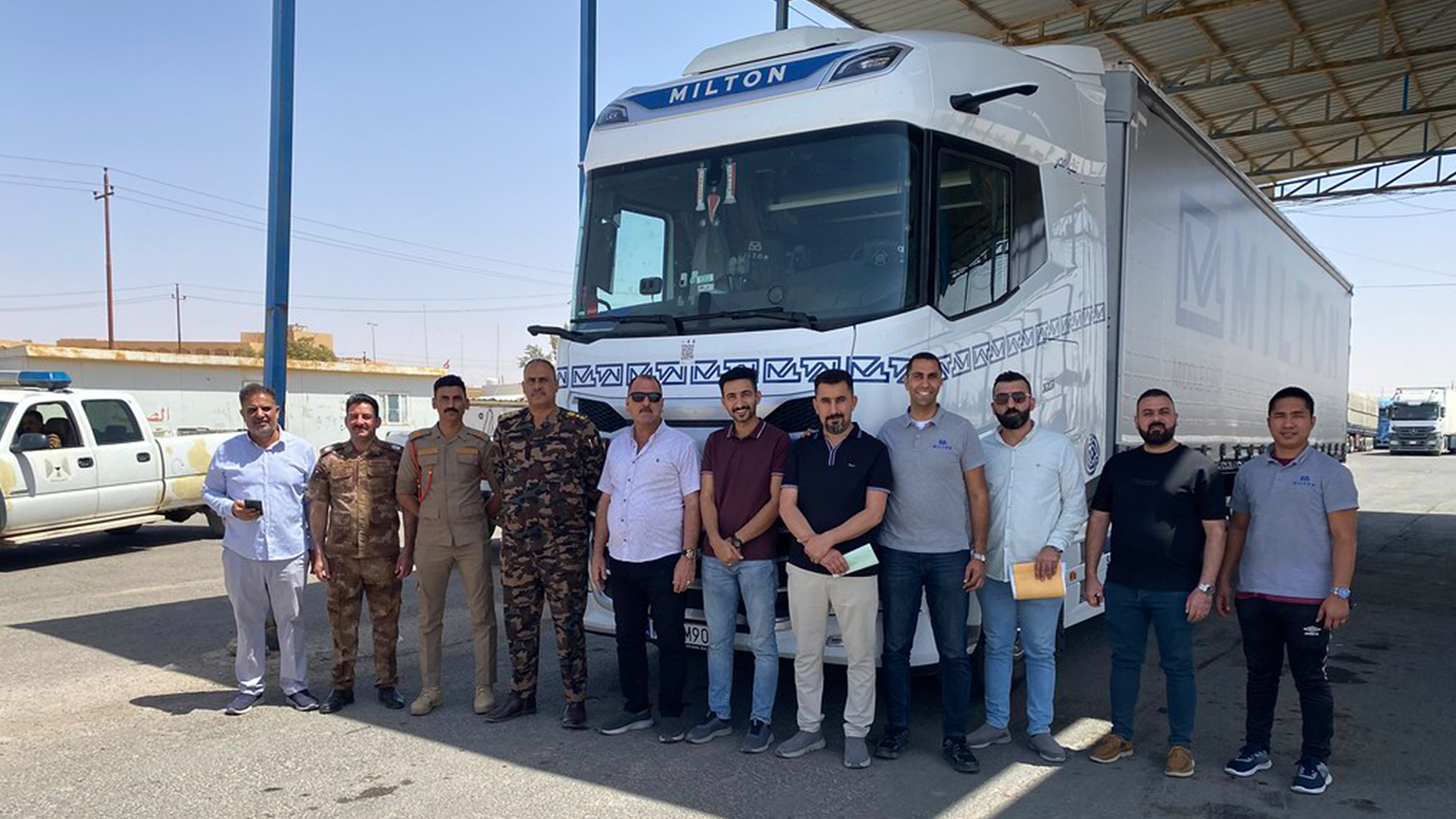
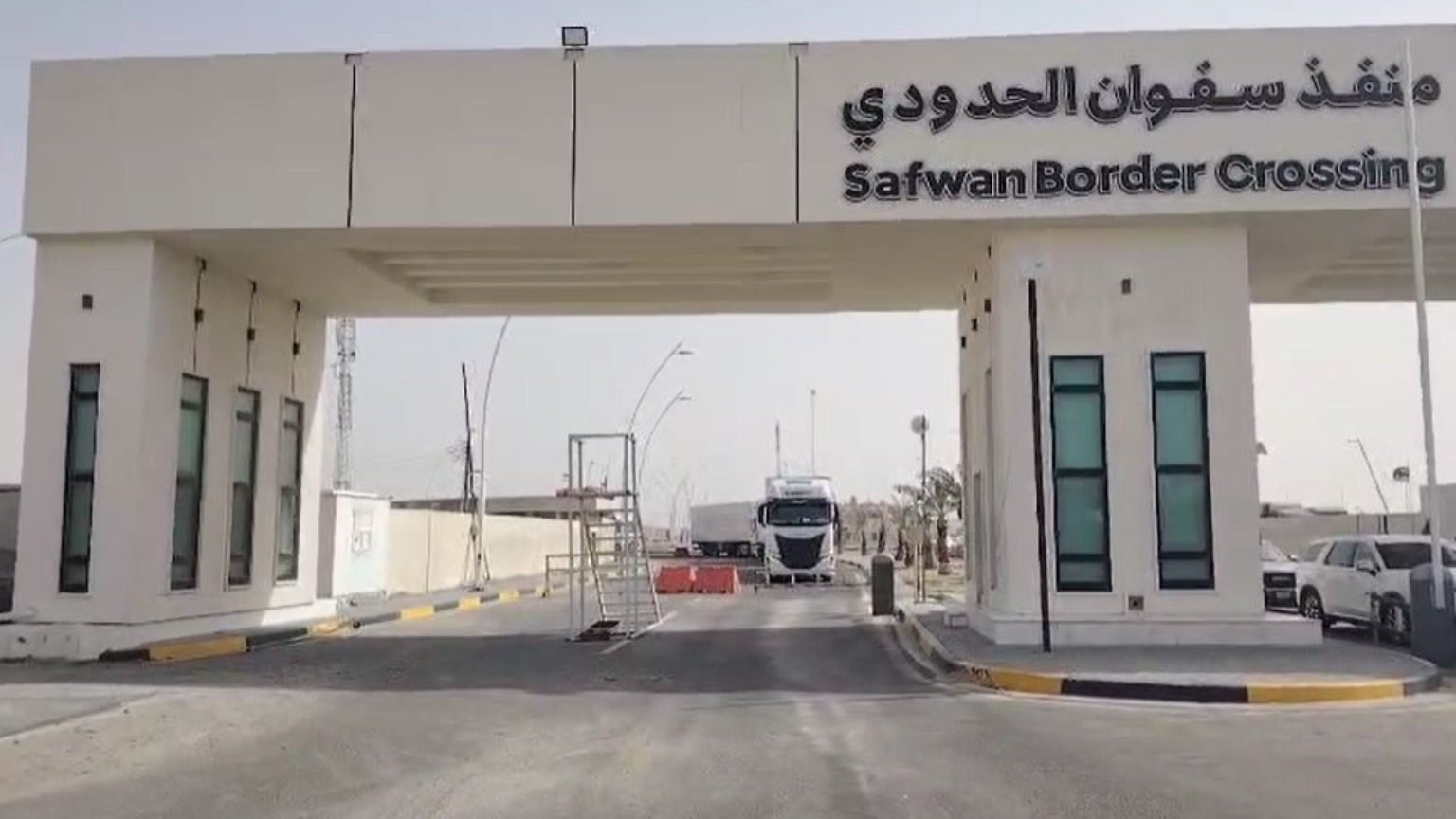
TIR became operational in Iraq on 1 April 2025. A few months later, the government made it mandatory for all goods transiting its territory by road to reinforce security and efficiency.

TIR’s electronic pre-declaration system (TIR-EPD) has also been integrated, enabling the submission of advance cargo information and full compliance with national requirements on advance risk management.

Transport operators have been opening new secure trade routes via Iraq, demonstrating significant time savings, examples include:

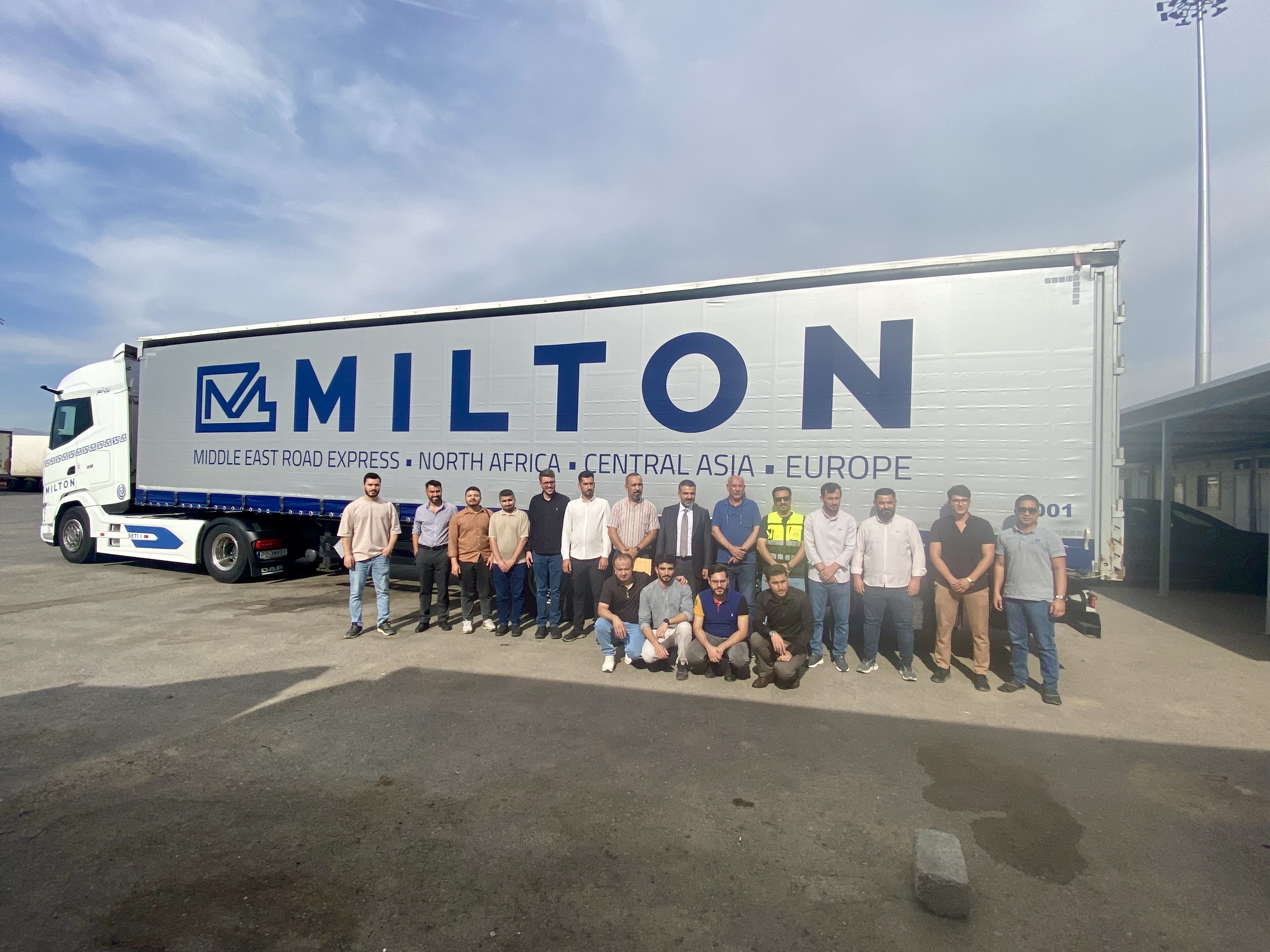
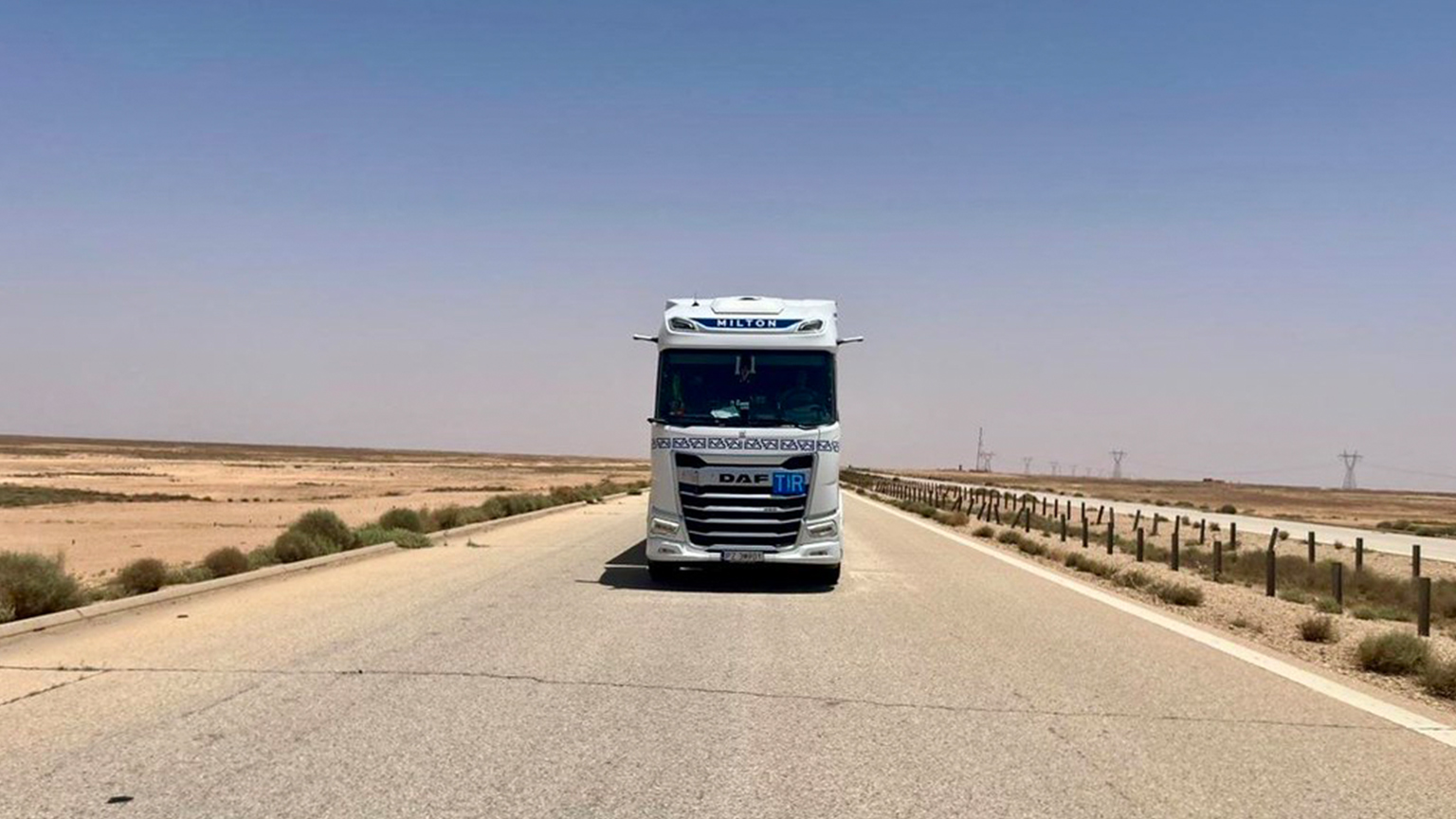
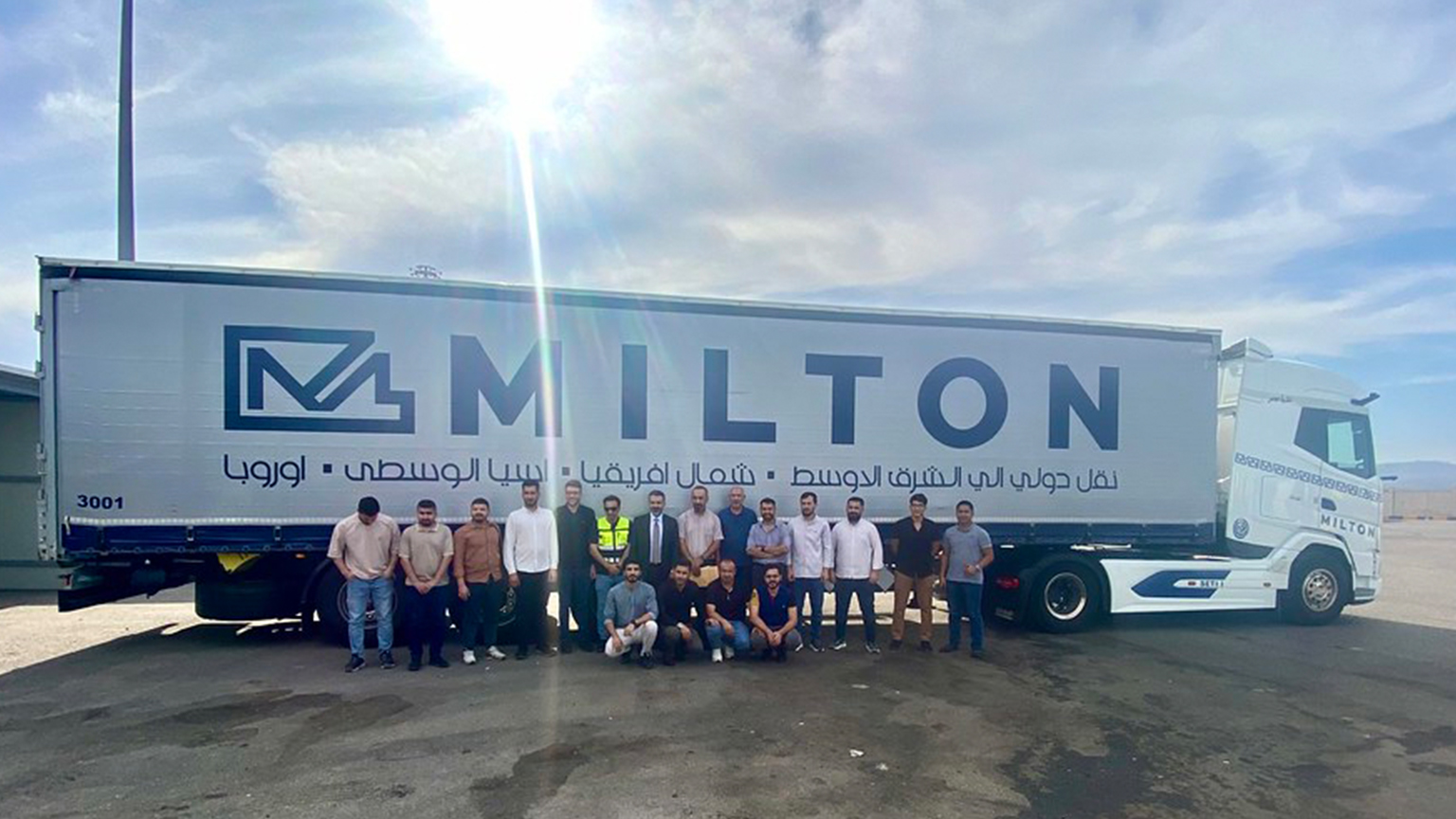
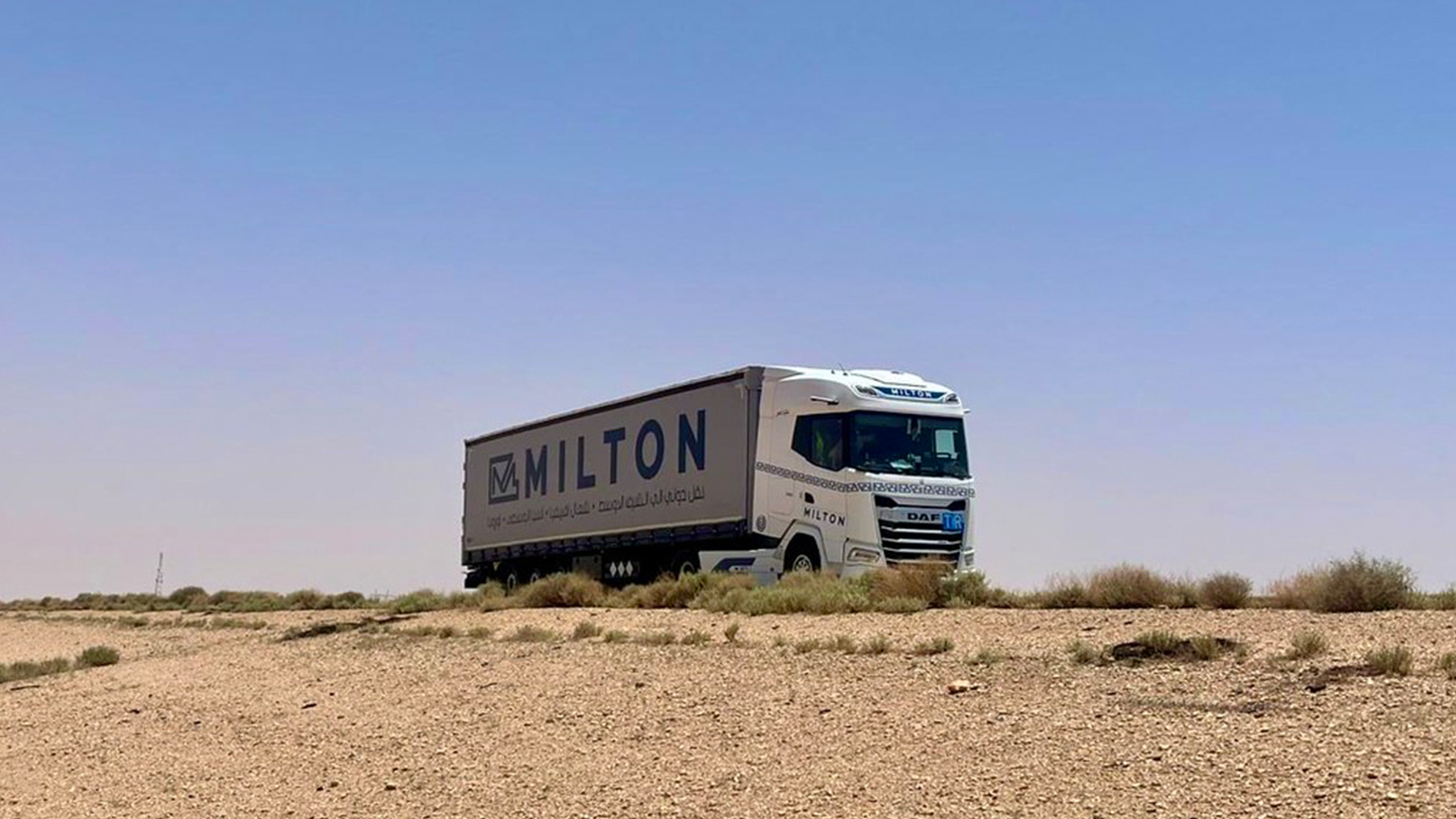
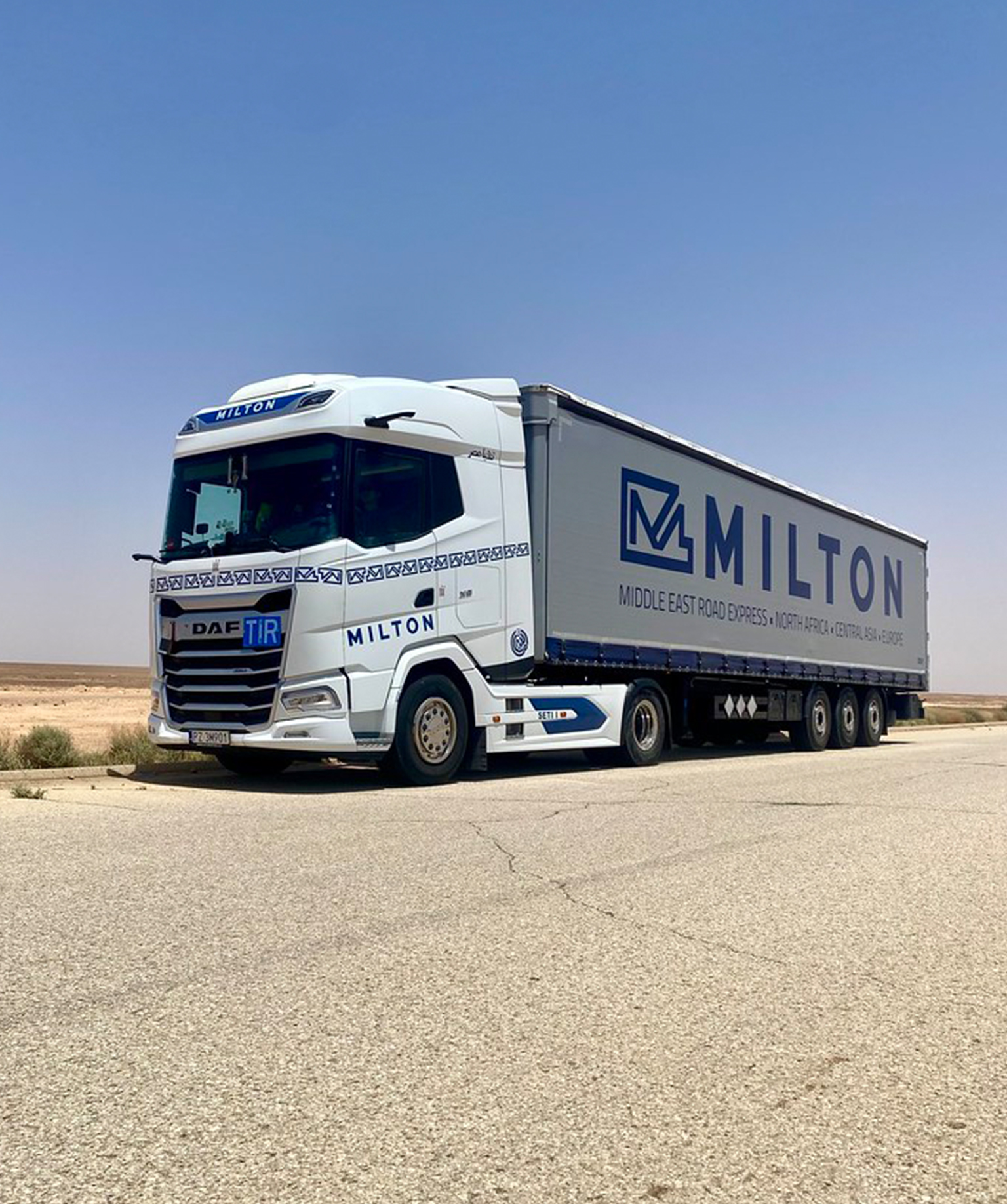
  • Polish transport operator the Milton Group completing a roundtrip journey linking Poland to the GCC region entirely by road via Iraq in just ten days
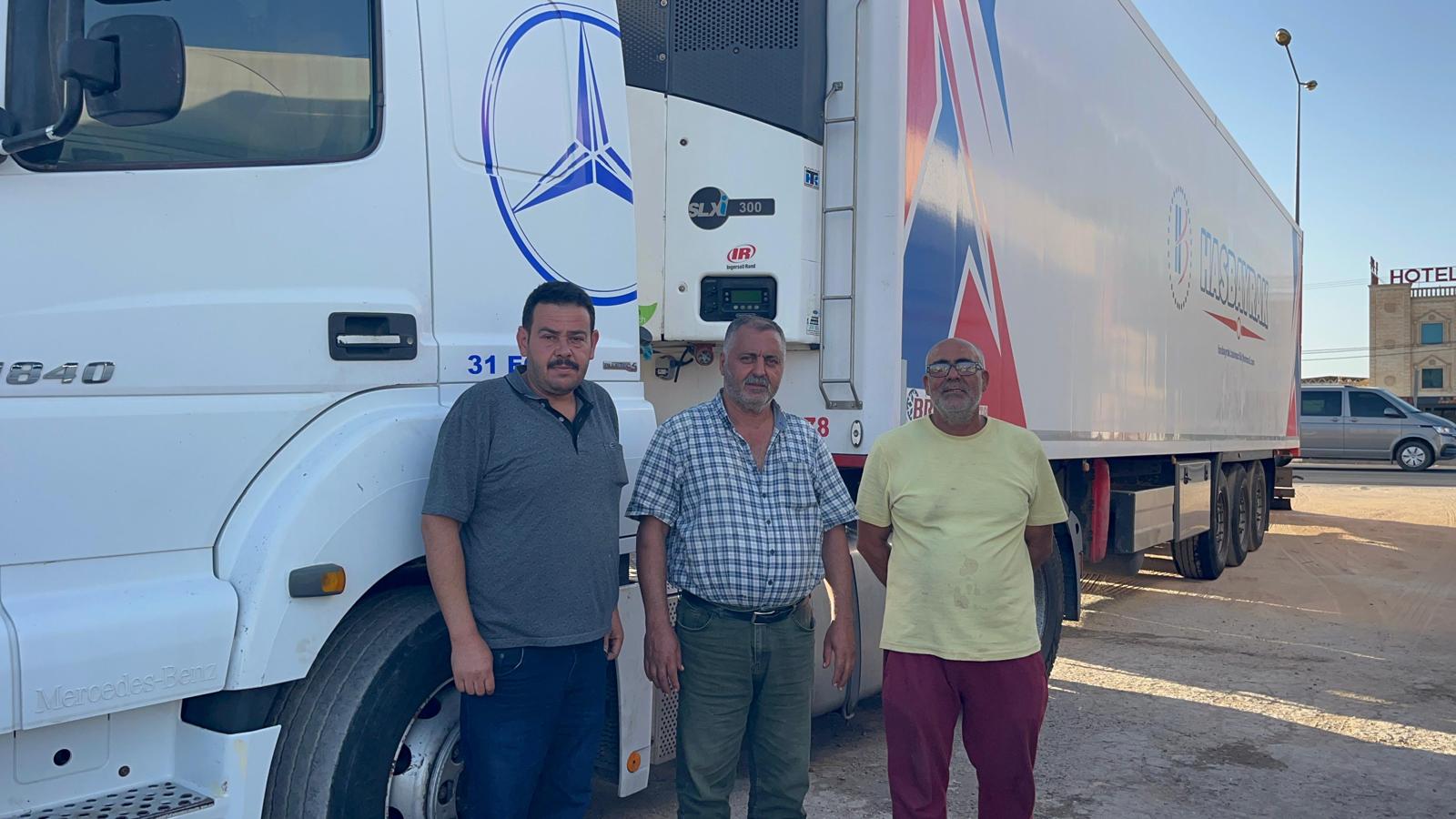
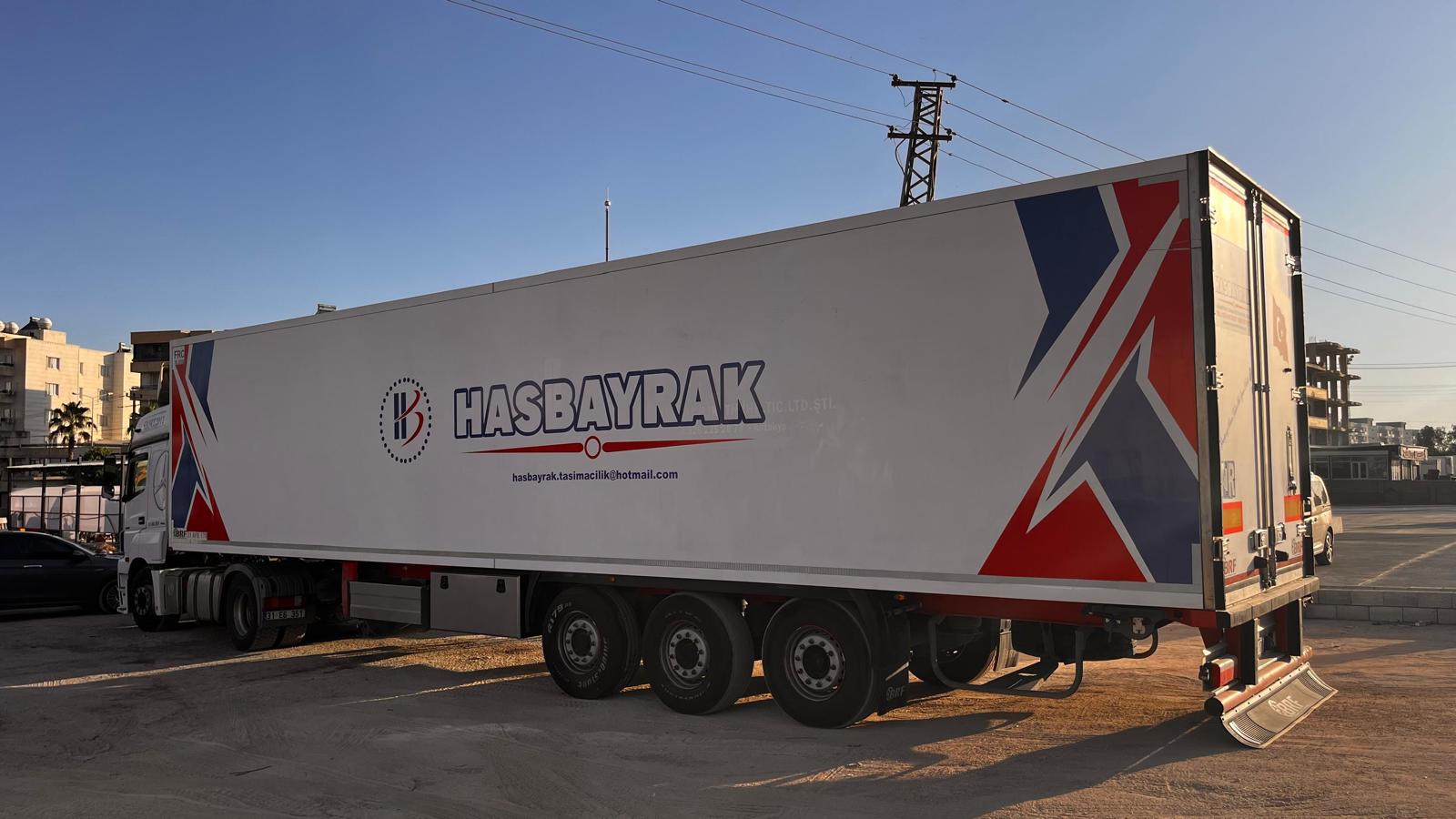
  • Hasbayrak International Transport, a leading Turkish logistics operator, conducting the first shipment from Türkiye to Kuwait via Iraq in just four days, a significant improvement over the 45-day maritime route
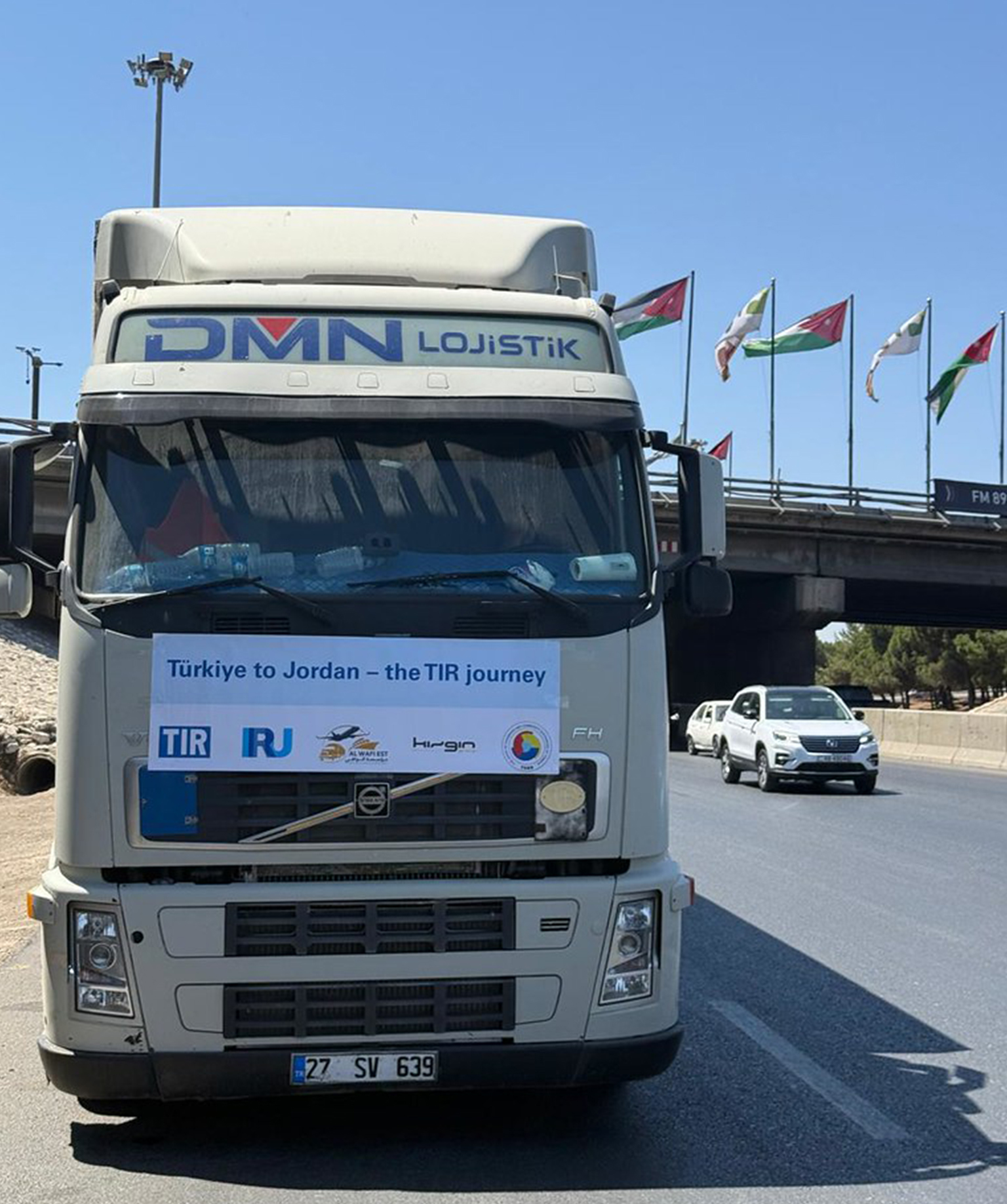
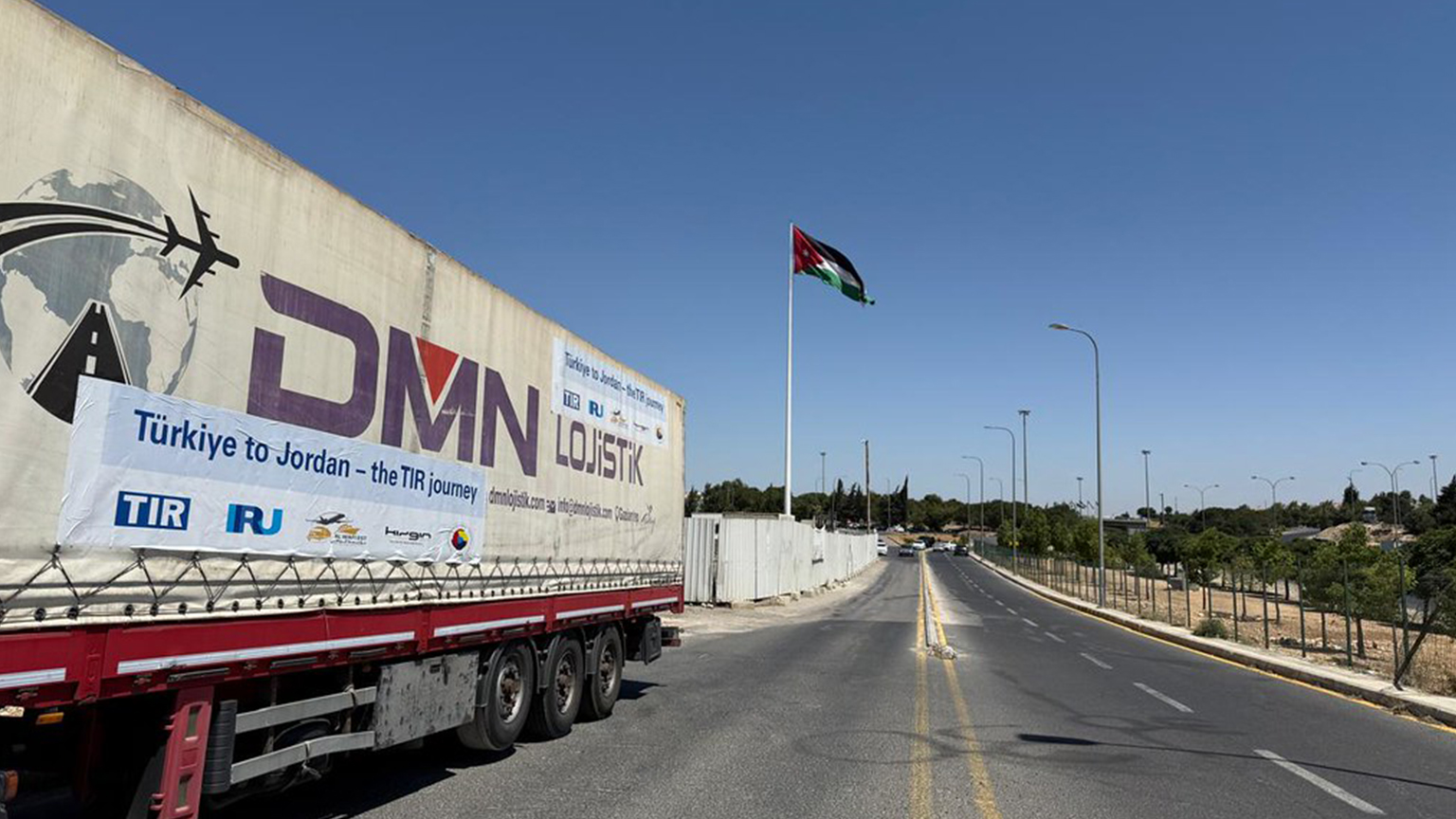
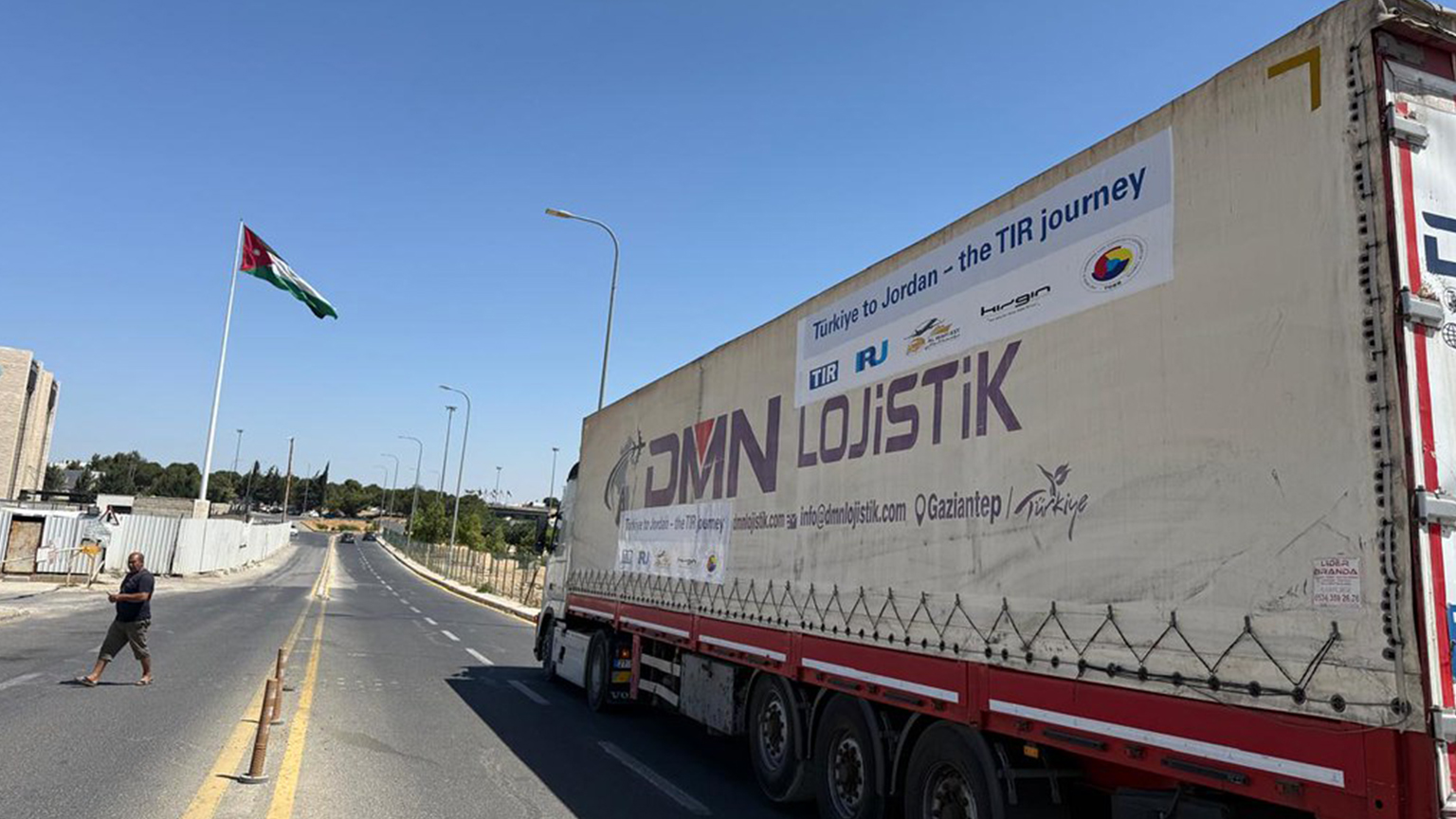
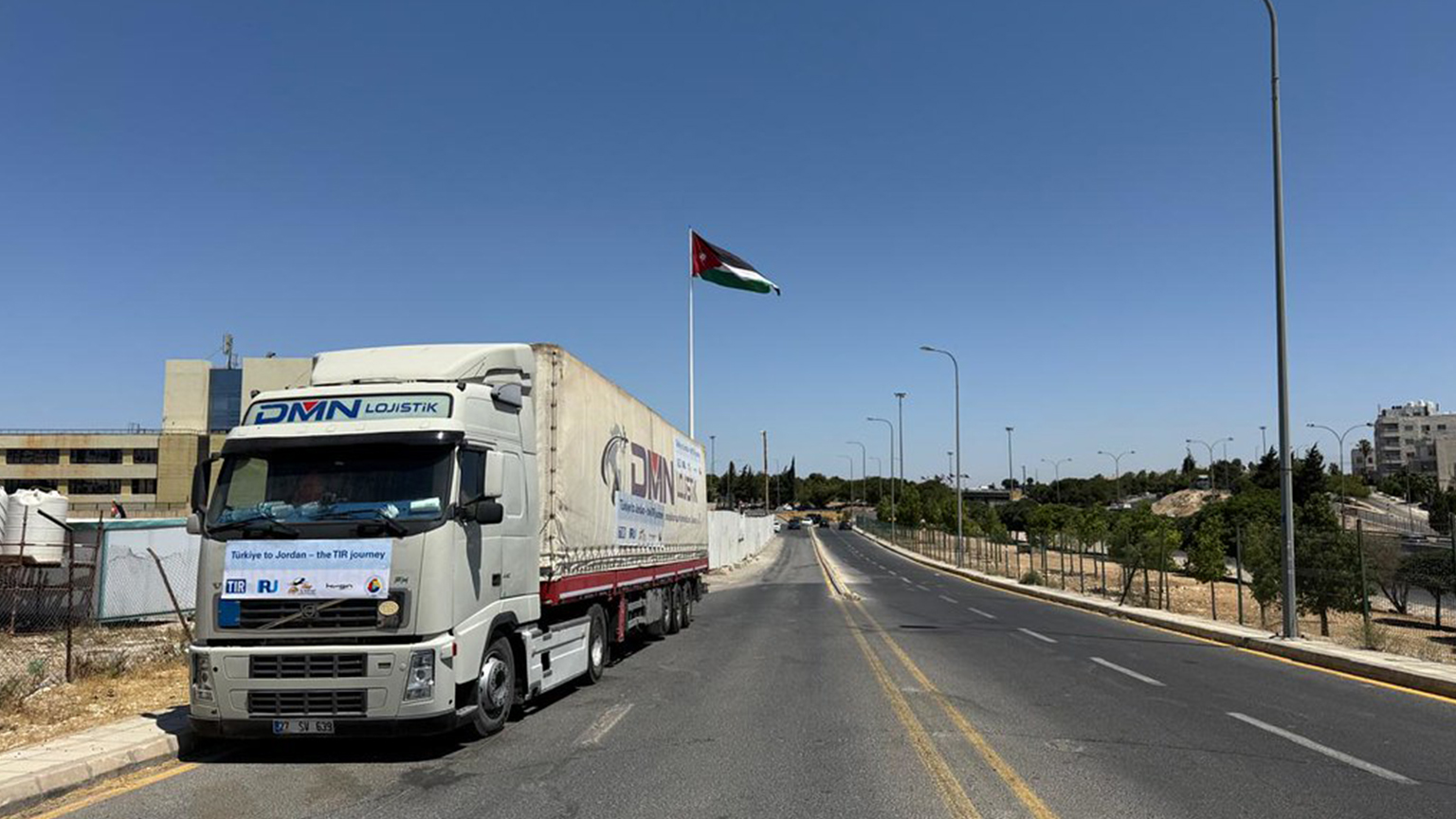
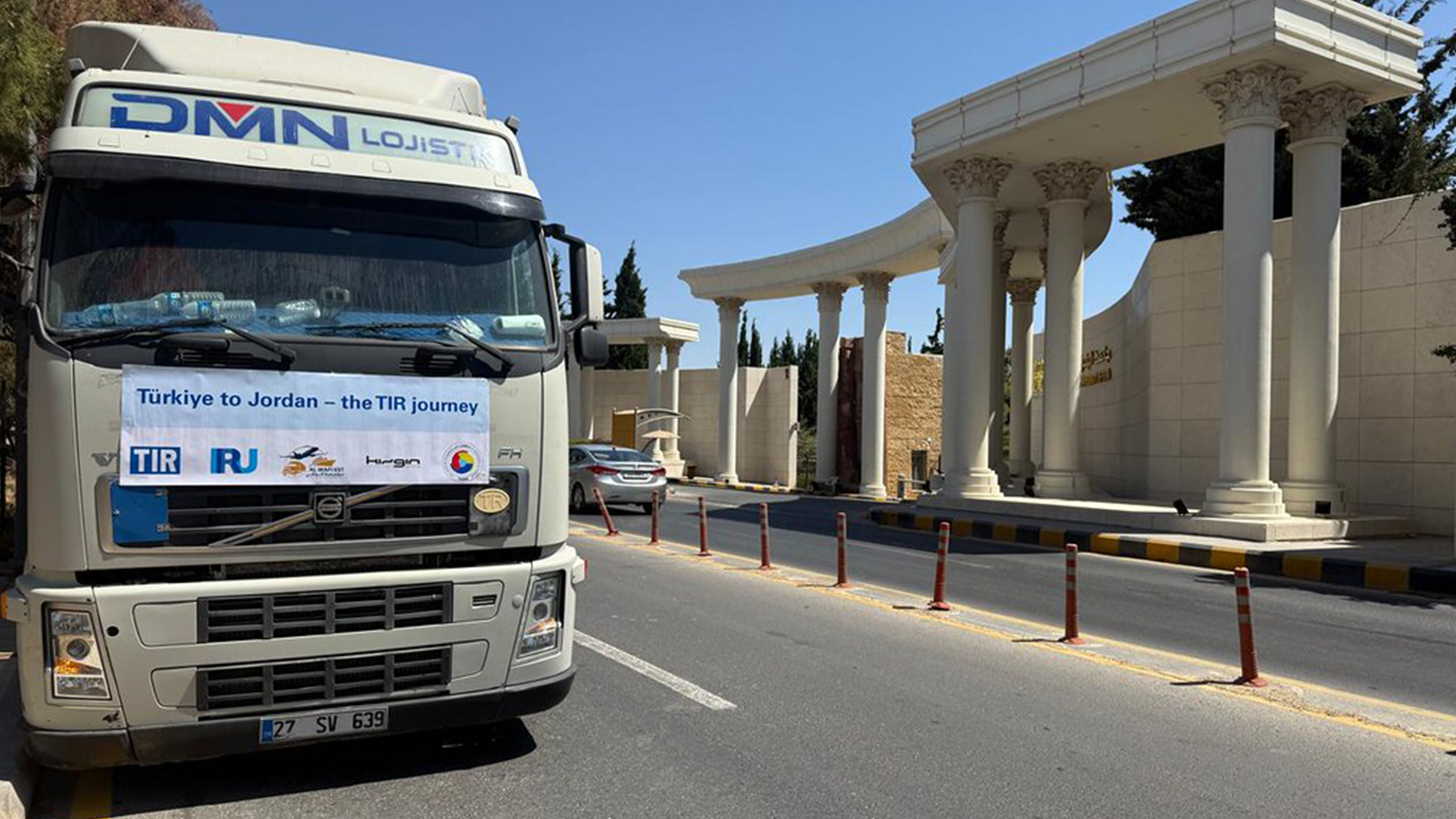
  • Kizgin, also from Türkiye, and its Jordanian partner Al Wafi transporting goods from Istanbul to Amman via Iraq in just five days, as opposed to four to five weeks by sea

TIR operations have been growing in the Middle East, including in the GCC region where TIR volumes have increased by more than 650% over the past two years.

The United Arab Emirates has now become the fourth largest issuer of TIR carnets globally.

The continued rise of China     Following a strong 2024, TIR continues to gain momentum in China.     Between January 2024 and November 2025, the number of licensed TIR operators increased by nearly 68%, while the number of TIR vehicles rose by almost 300%.     This growth was reflected in the number of TIR movements: TIR operations to and from China increased by 145%.     This continued growth is building the confidence of the public and private sectors in the TIR system, resulting in the opening of new ro
seamless
seamless
seamless
seamless
seamless
seamless
seamless
seamless
seamless

The continued rise of China

Following a strong 2024, TIR continues to gain momentum in China.

Between January 2024 and November 2025, the number of licensed TIR operators increased by nearly 68%, while the number of TIR vehicles rose by almost 300%. 

This growth was reflected in the number of TIR movements: TIR operations to and from China increased by 145%.

This continued growth is building the confidence of the public and private sectors in the TIR system, resulting in the opening of new routes and expansion of the types of goods transported. 

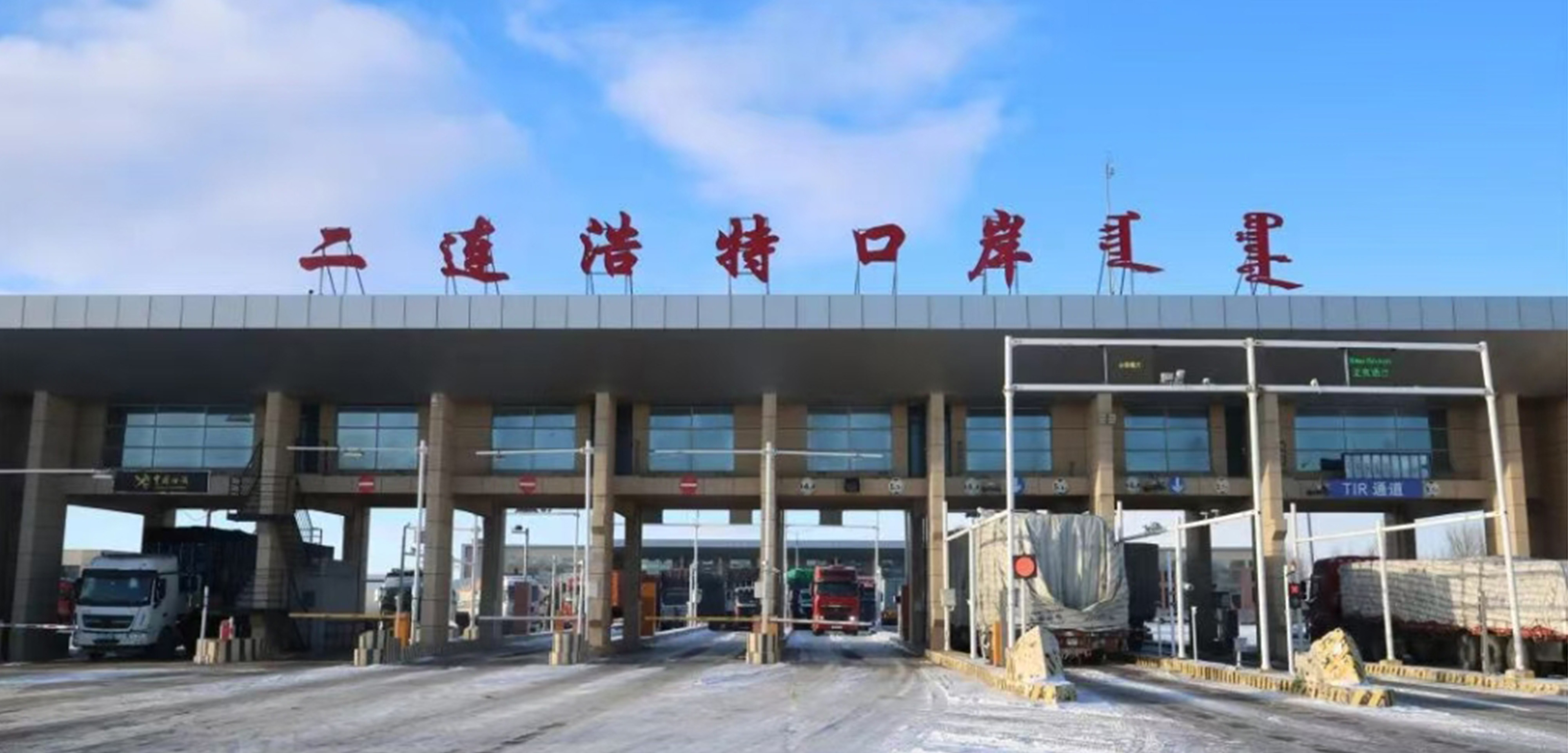
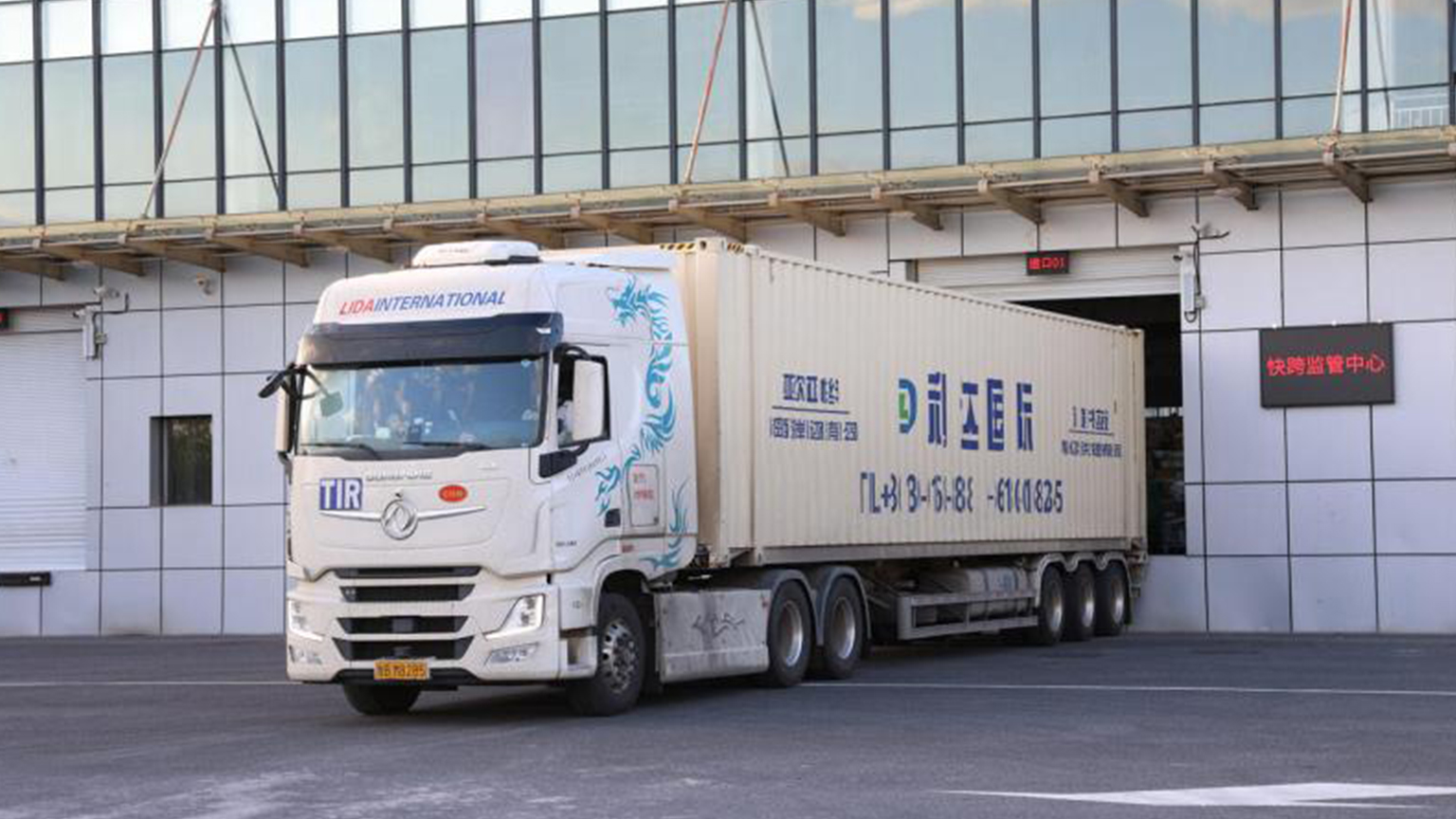
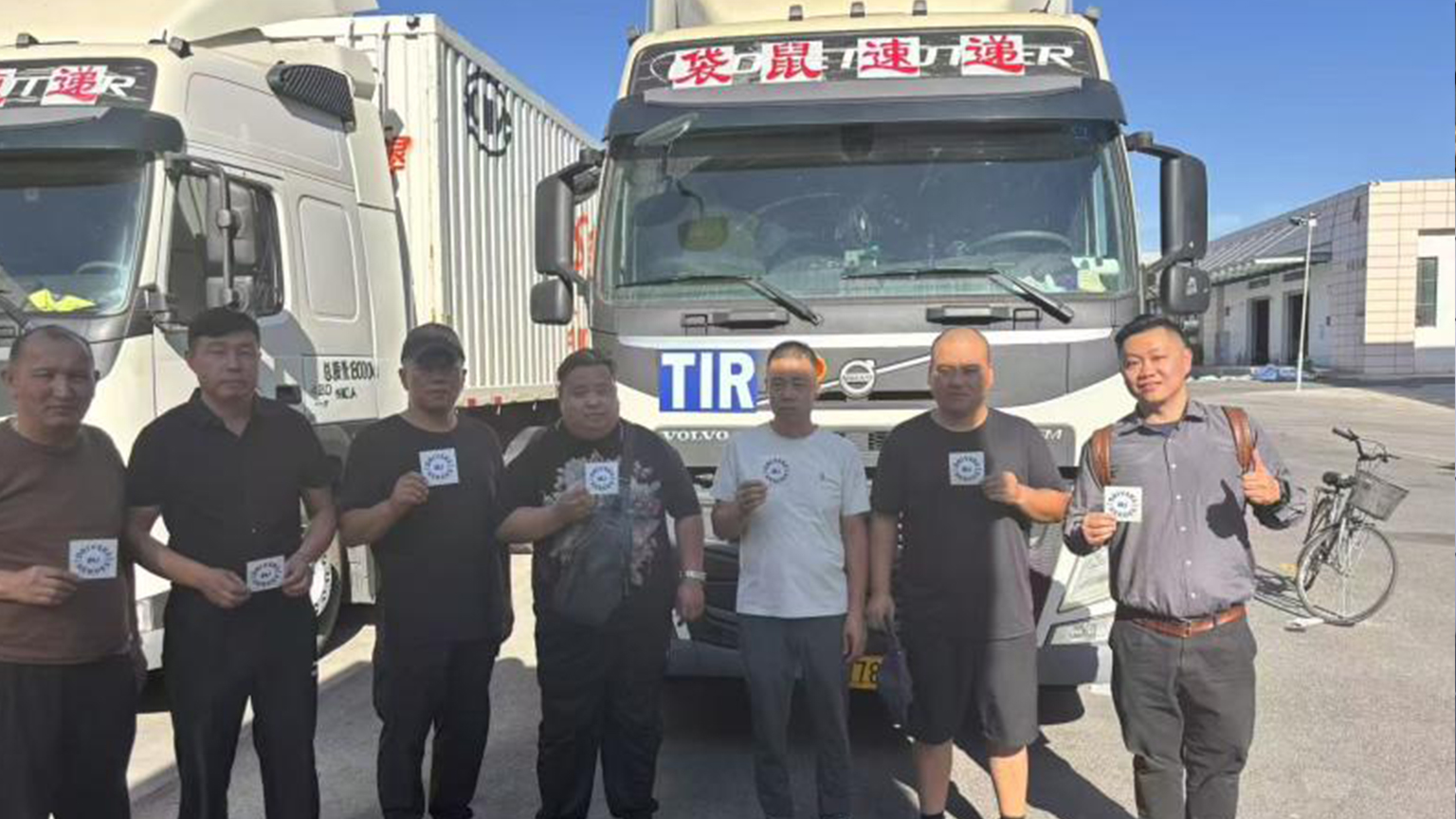
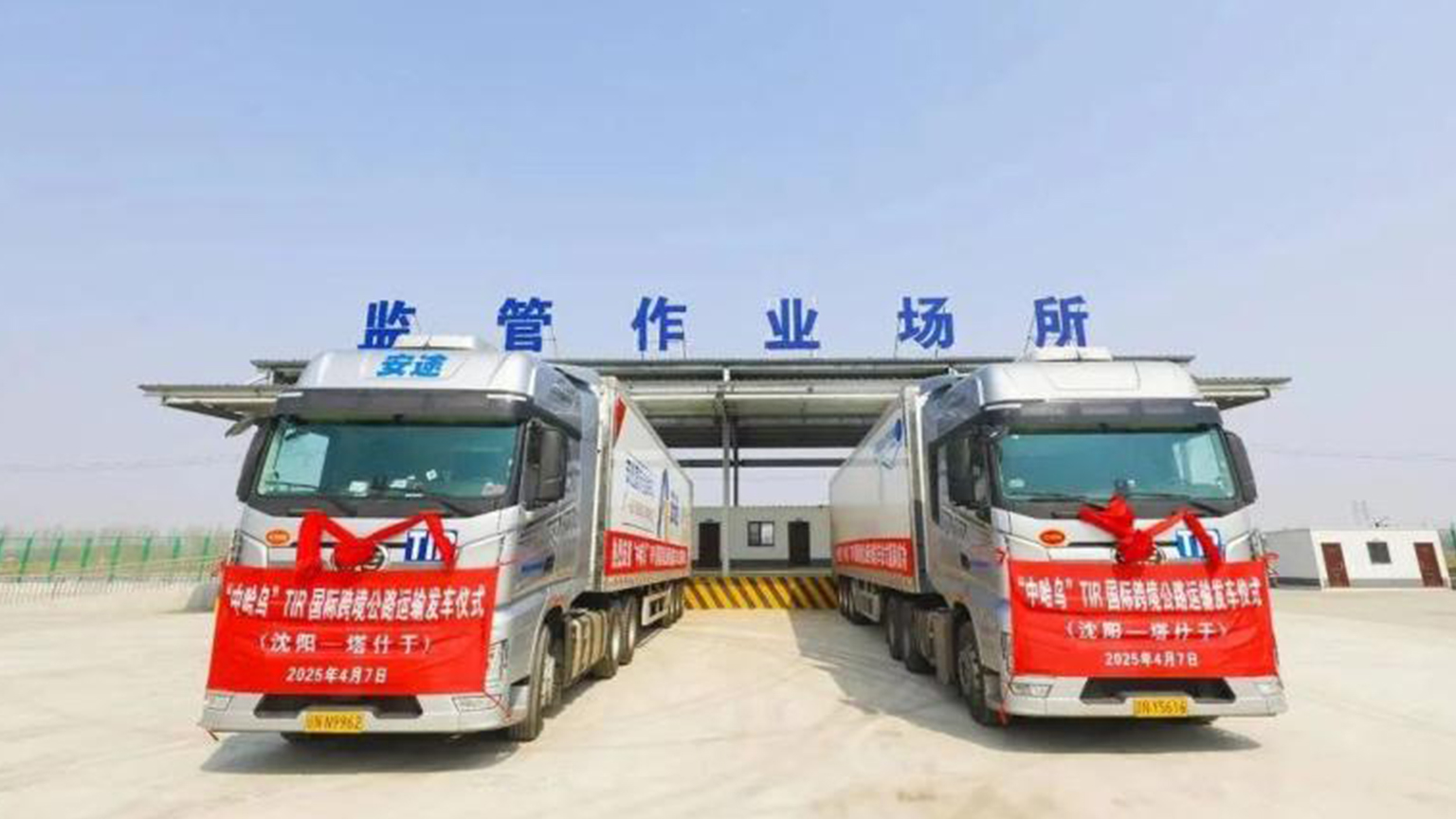
Over 50 border crossings and inland Chinese cities now facilitate TIR operations for more than 70 cross-border TIR routes, unlocking new destinations along China–Europe corridors.

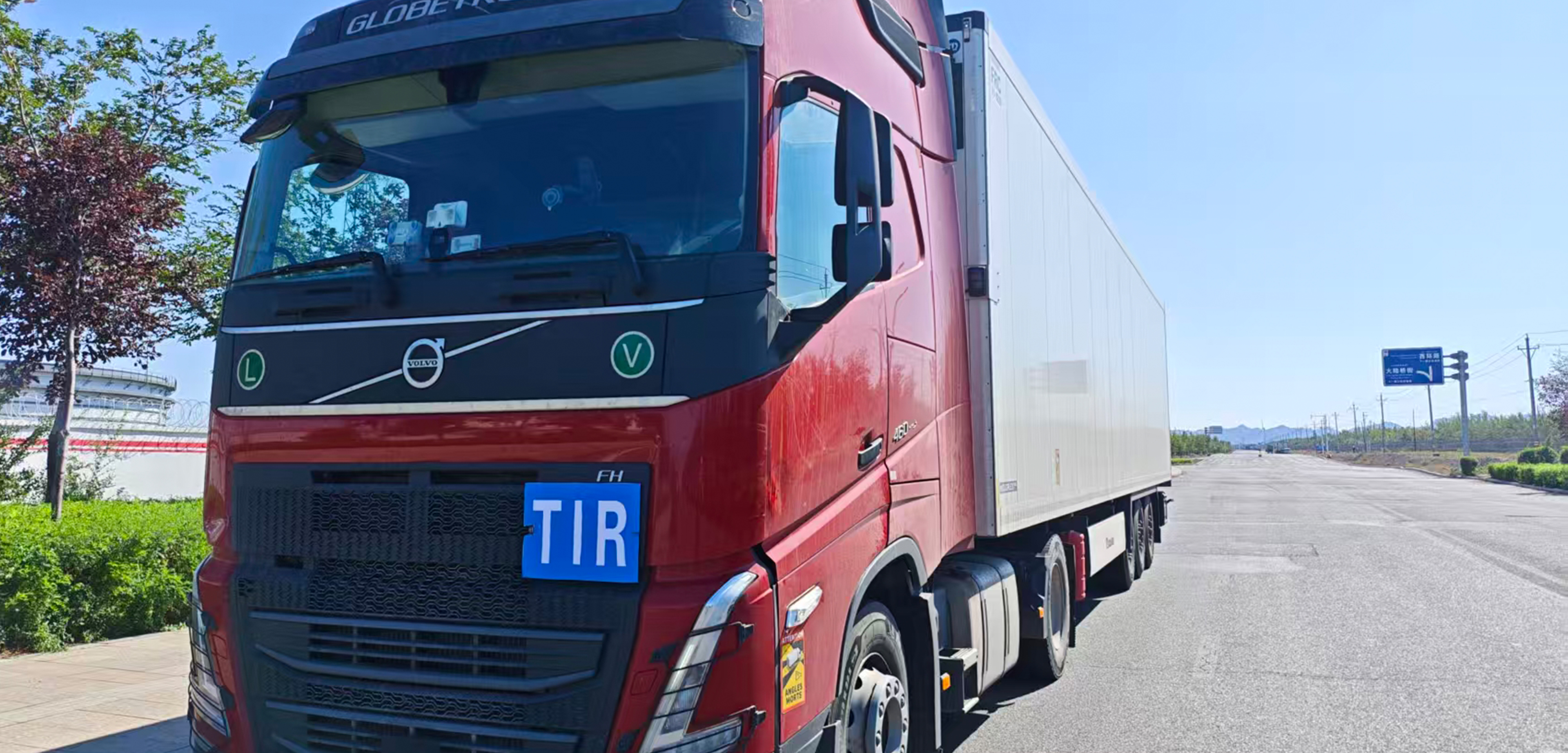
The type of cargo moved under TIR now includes e-commerce cargo, bulky and heavy cargo, dangerous goods, cold-chain products, electronics, and heavy-duty vehicles.

Door-to-door delivery with TIR from China: what’s possible?

Brazil: the future

Brazil’s accession to the TIR Convention is on the verge of completion.

Brazil’s flagship Bioceanic Corridor initiative – which will connect the Atlantic and Pacific oceans running through Brazil as well as Argentina, Chile and Paraguay – stands to benefit significantly from the TIR system.

The Bioceanic Corridor presents a unique opportunity for Brazil to become a regional transport and trade hub.

But without harmonised border processes, its competitiveness will be undermined. TIR is a key enabler to deliver on the corridor’s promise.

The implementation of TIR would be a crucial step in aligning the Bioceanic Corridor with global best practices, ensuring it becomes a driver of regional economic development.

Driving an entire region

The Economic Cooperation Organization (ECO) region – which includes Afghanistan, Azerbaijan, Iran, Kazakhstan, Kyrgyz Republic, Pakistan, Tajikistan, Türkiye, Turkmenistan, and Uzbekistan – is the largest user of the TIR system, accounting for more than 70% of all global TIR carnets.

One standout development from this year is the sharp increase in TIR operations in Pakistan, which have risen by 200% year on year.

Pakistan has opened new trade corridors with TIR, connecting South Asia with Central and West Asia, China, and the Middle East.

More TIR highlights: