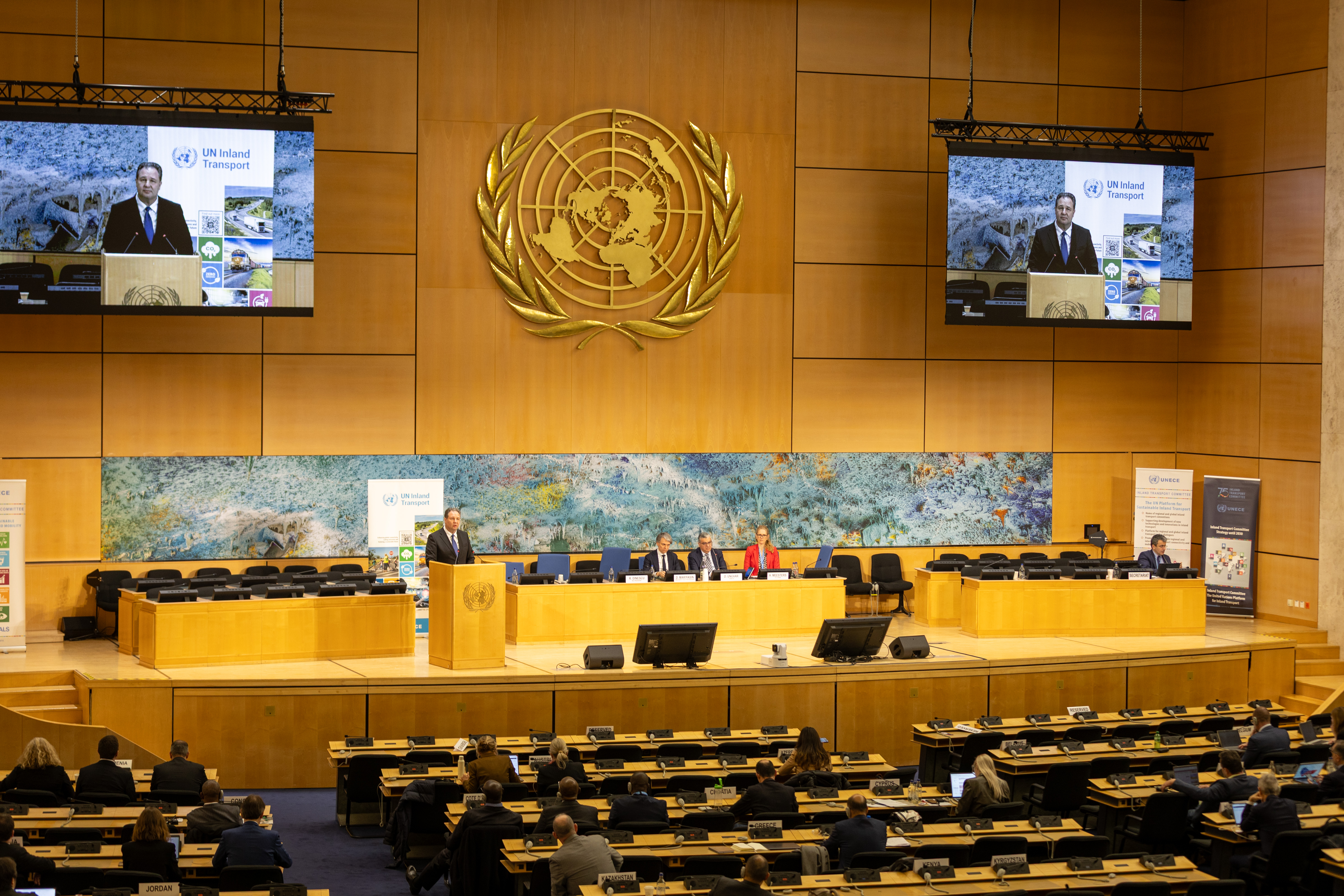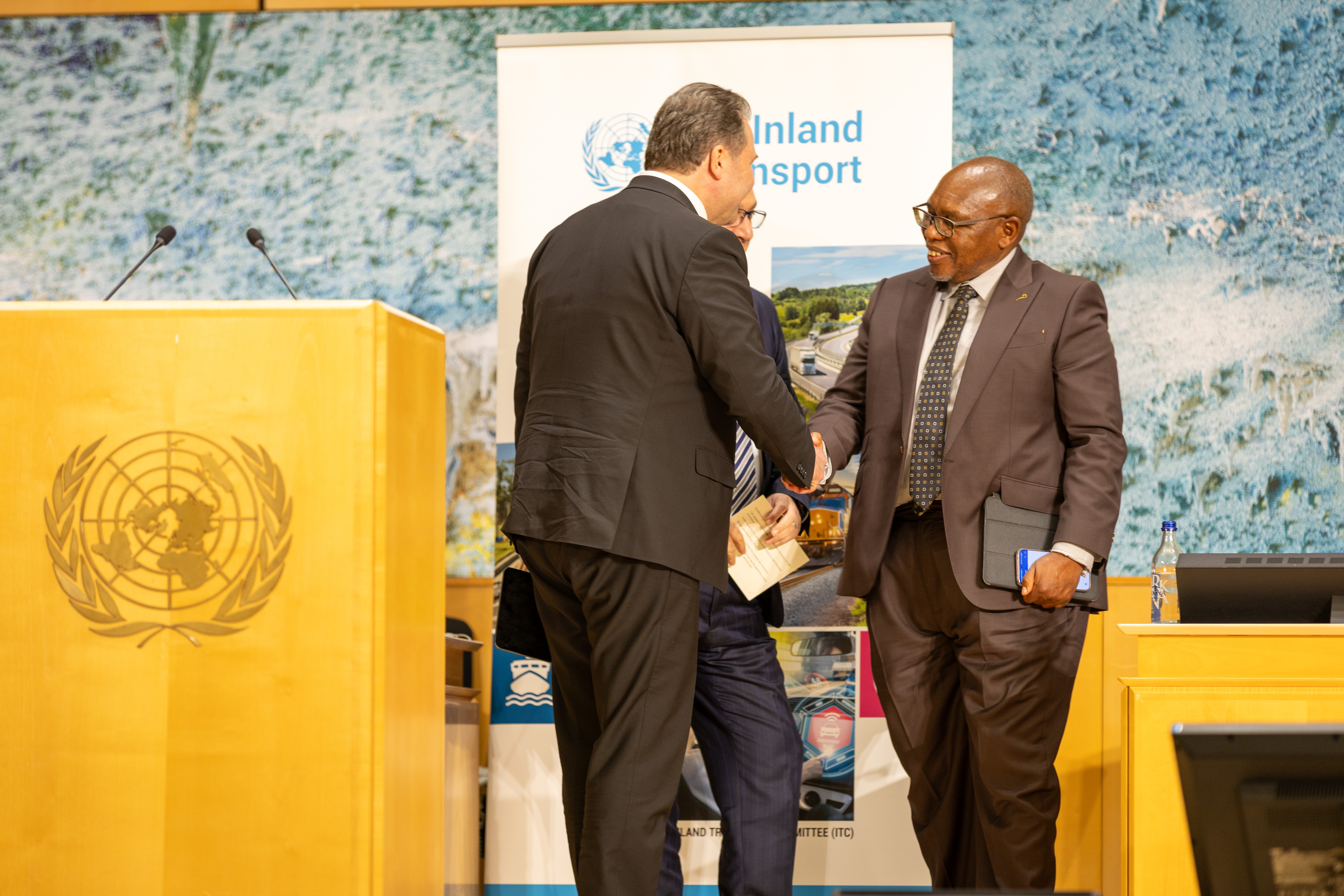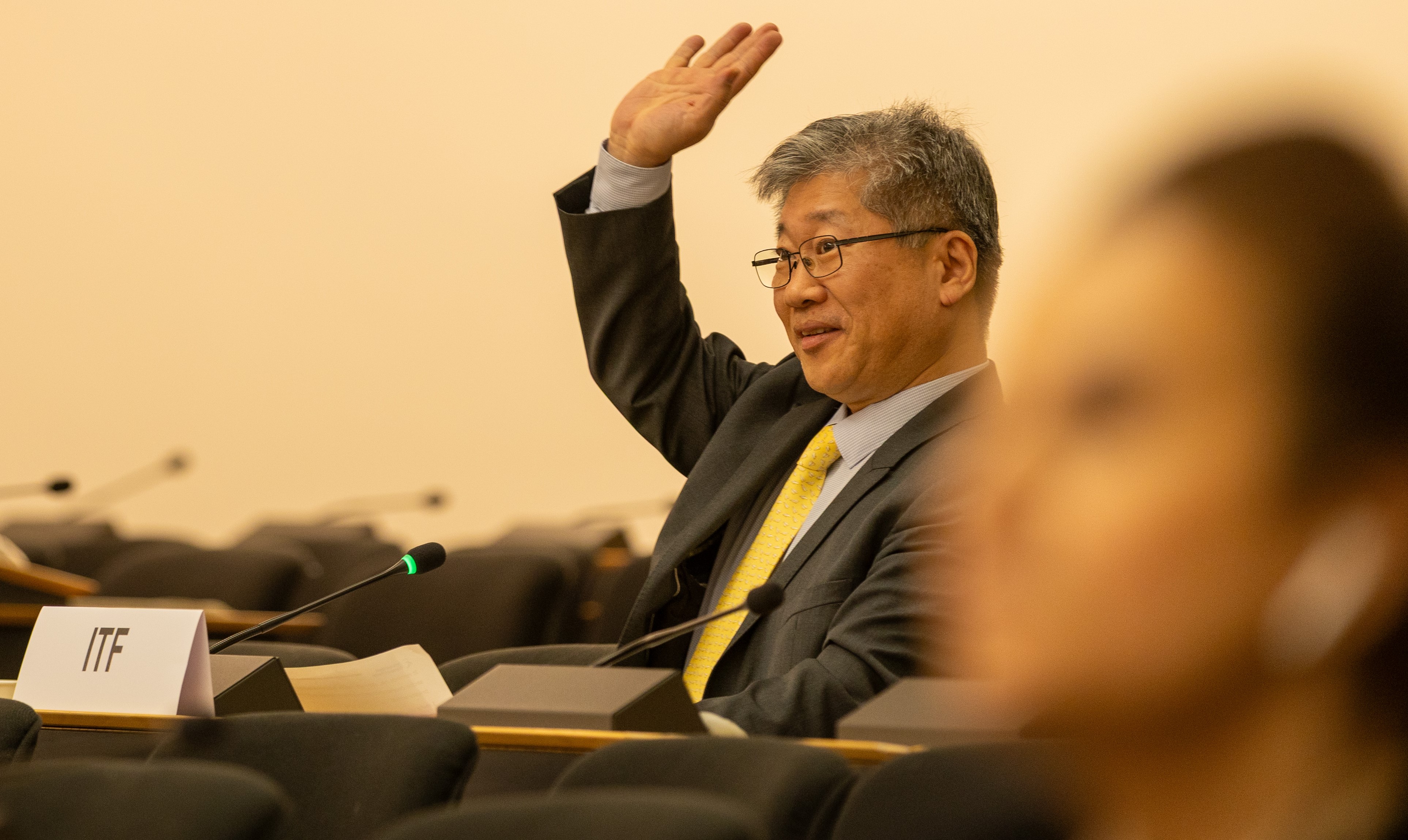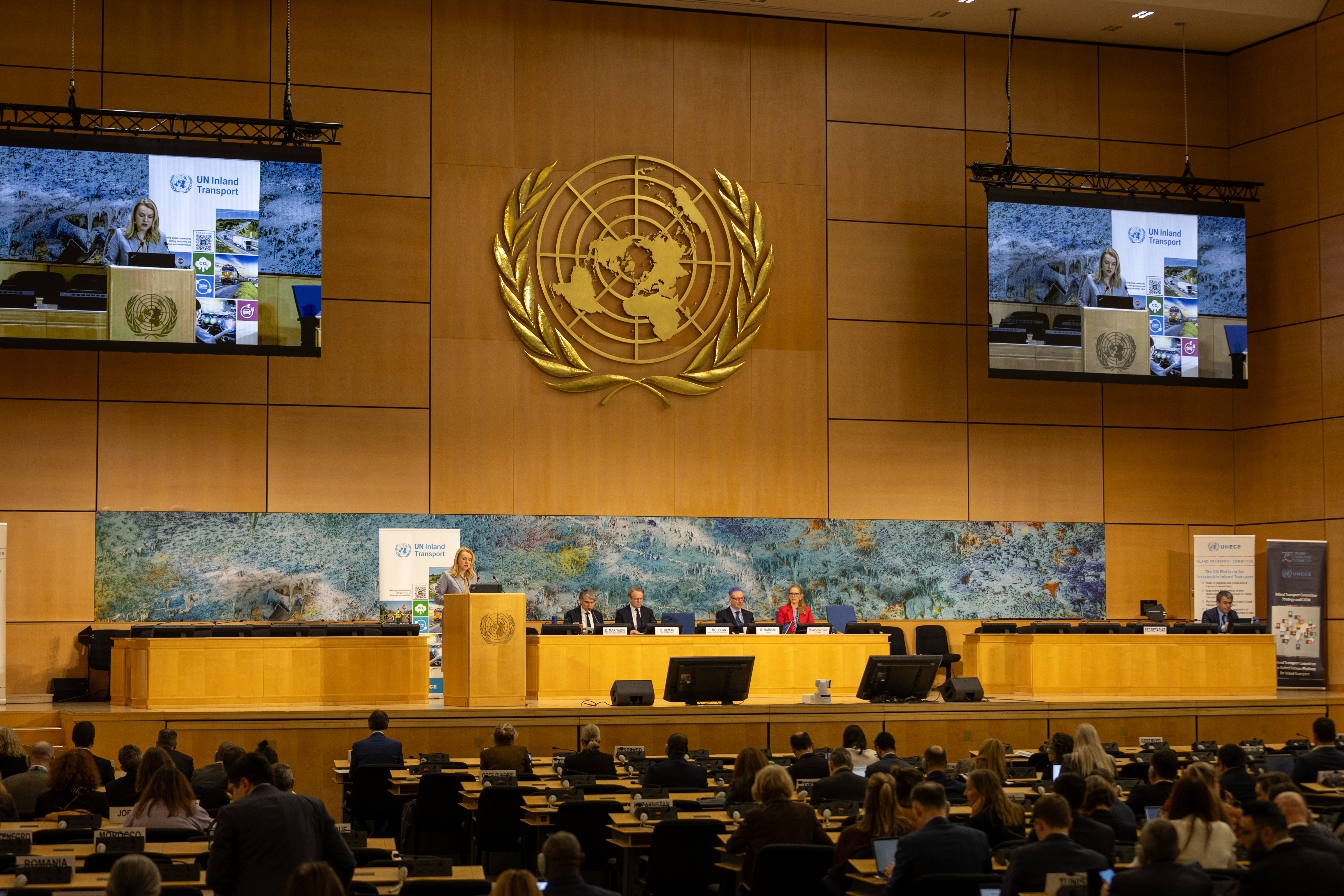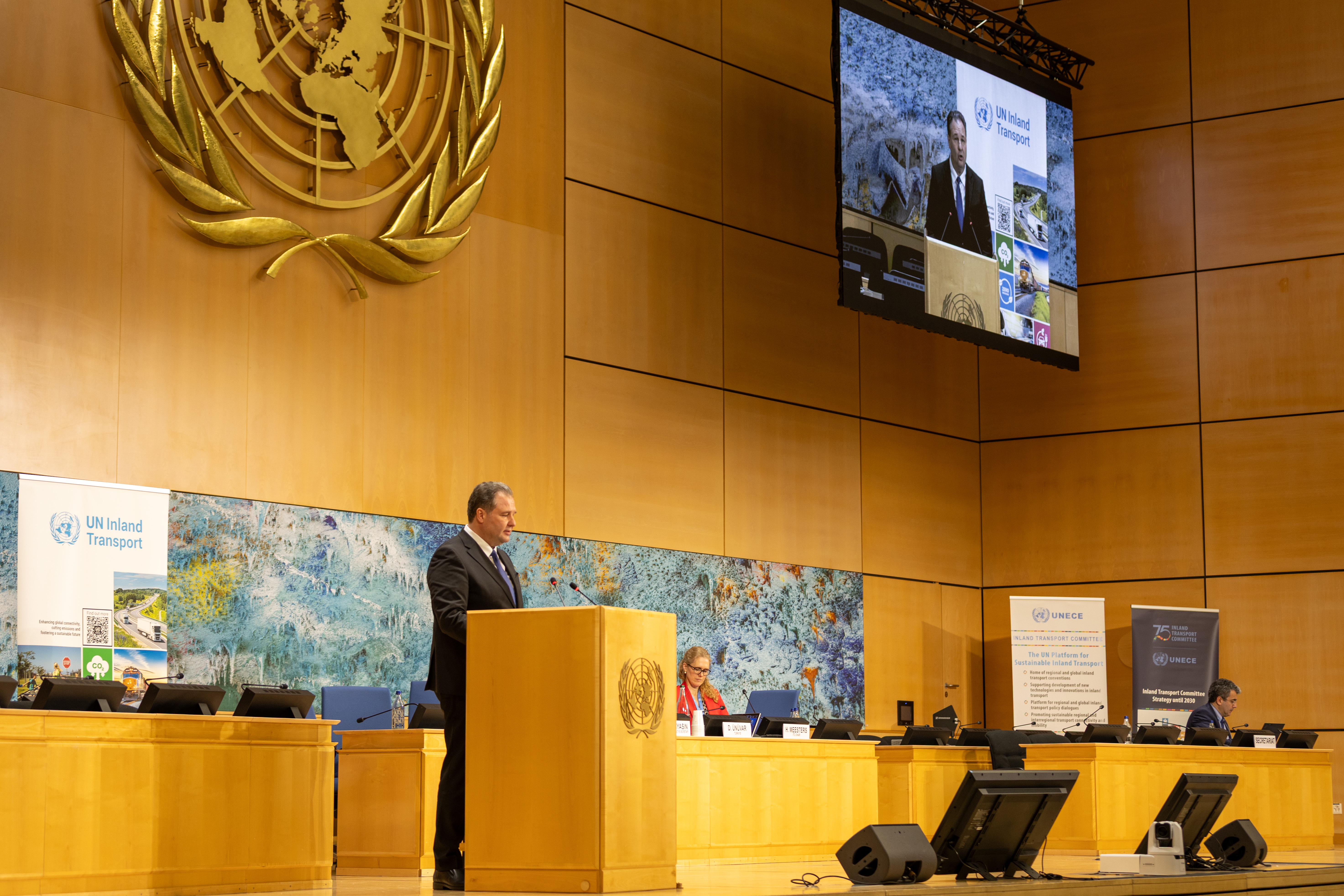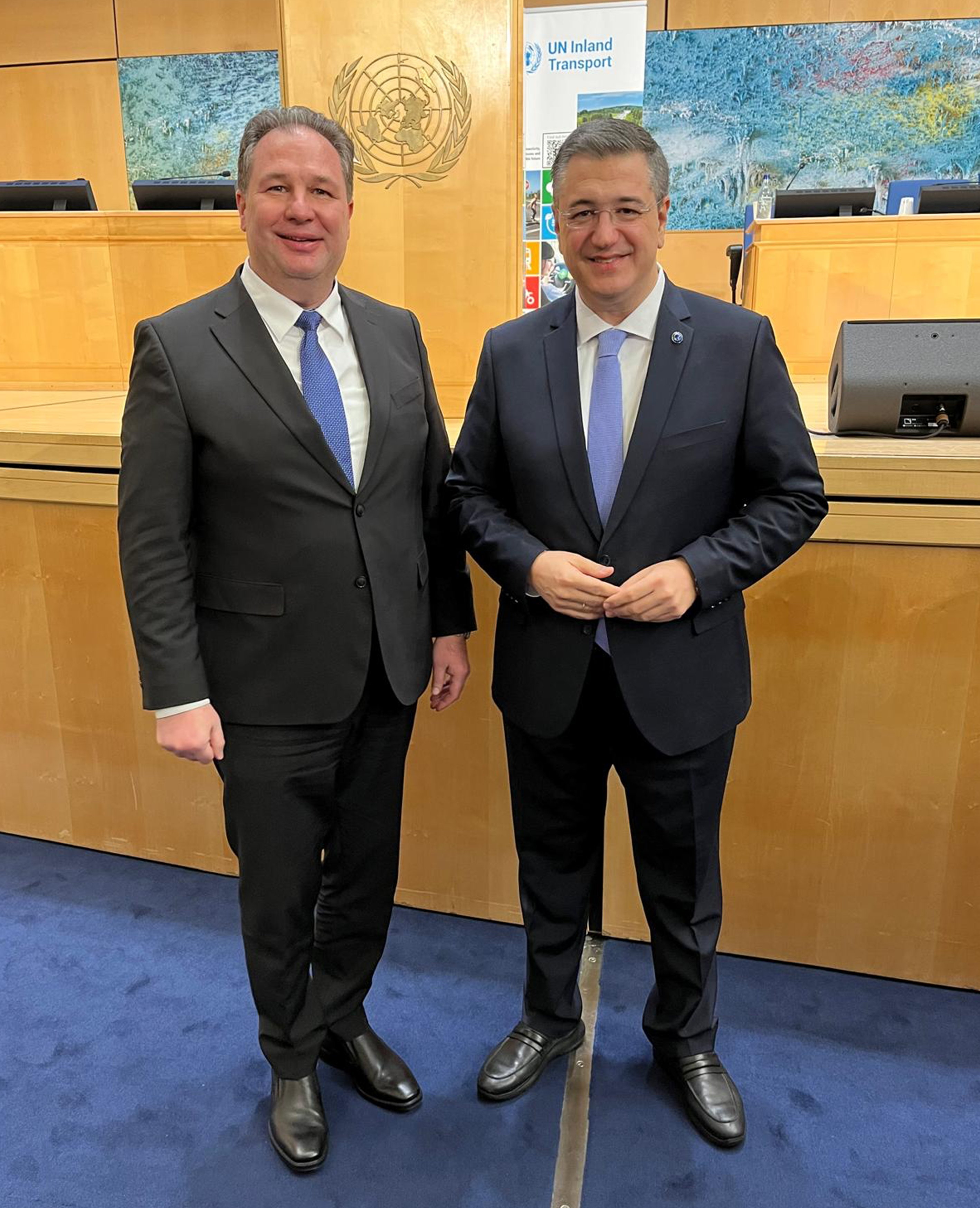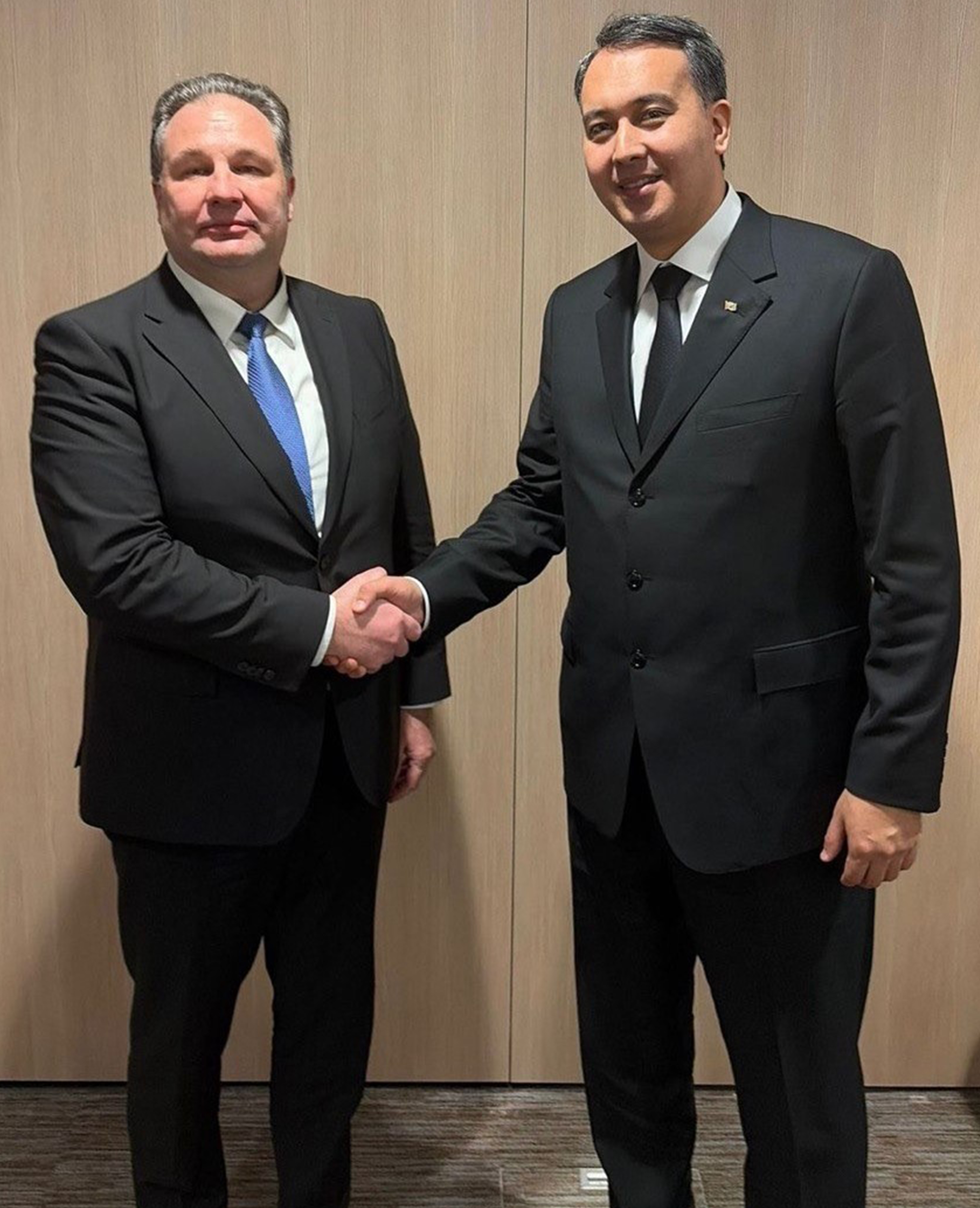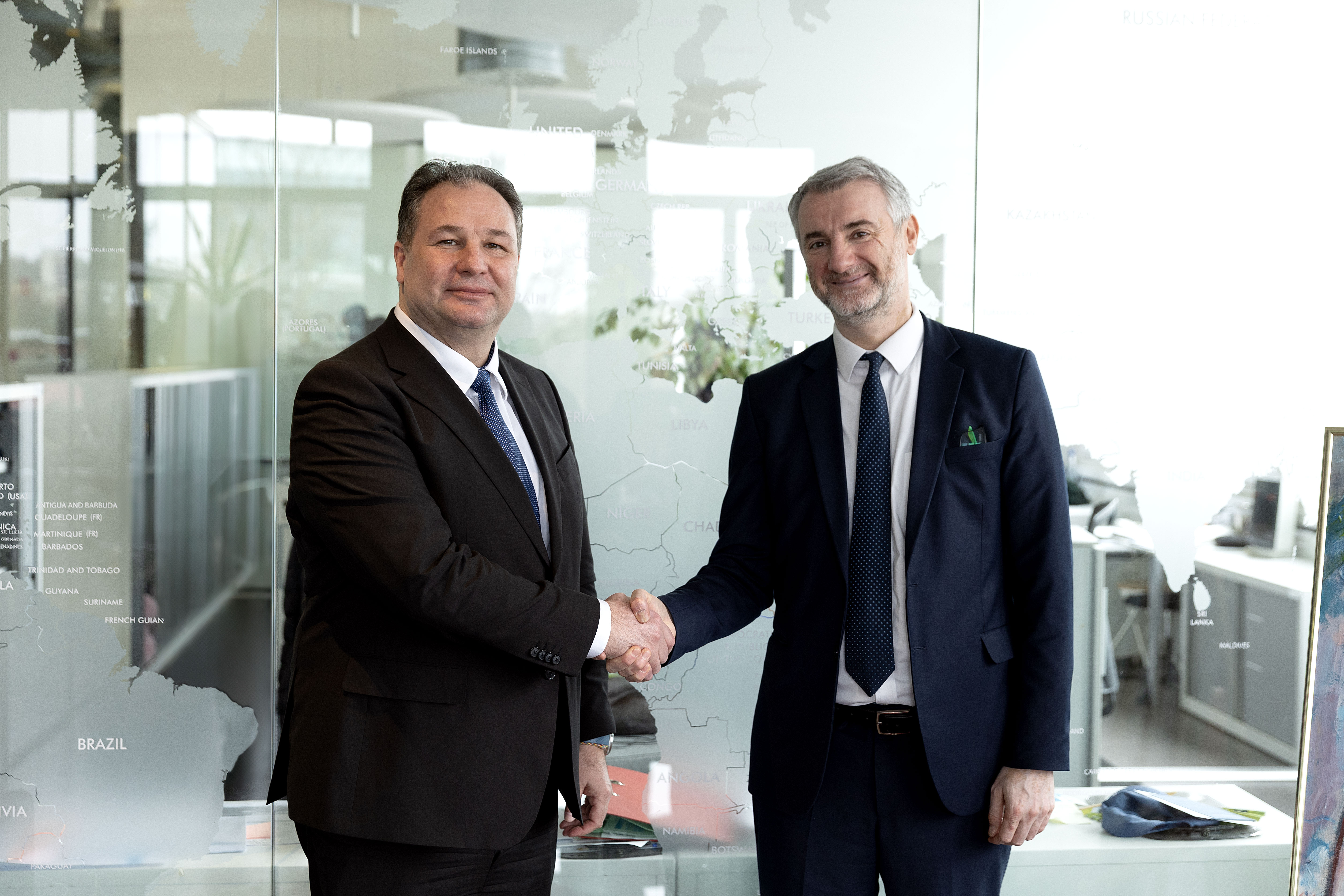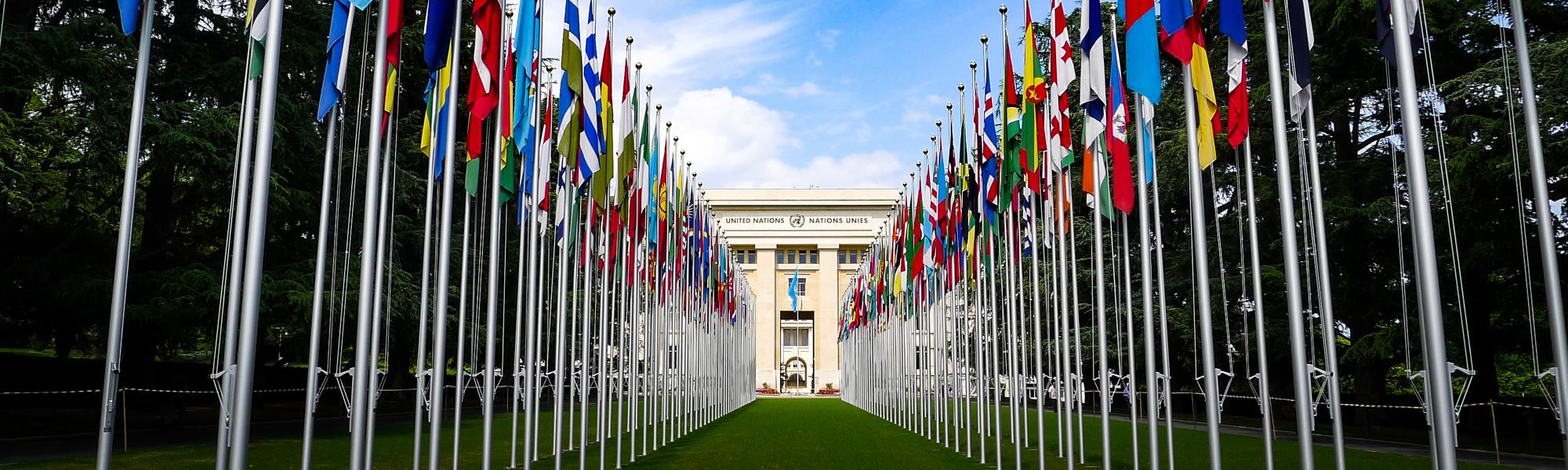
The world road transport organisation, IRU, intervened in major policy debates and marked the 70th anniversary of CMR at the highest UNECE Inland Transport Committee events.
The 2026 United Nations Economic Commission for Europe (UNECE) Inland Transport Committee (ITC) focused on driving innovation for the future of inland transport.
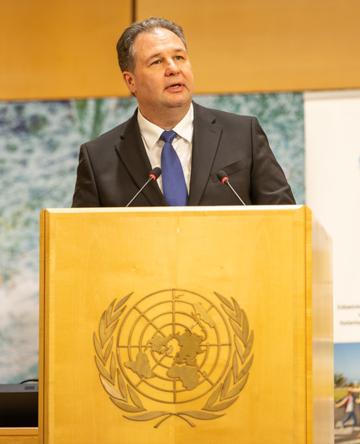
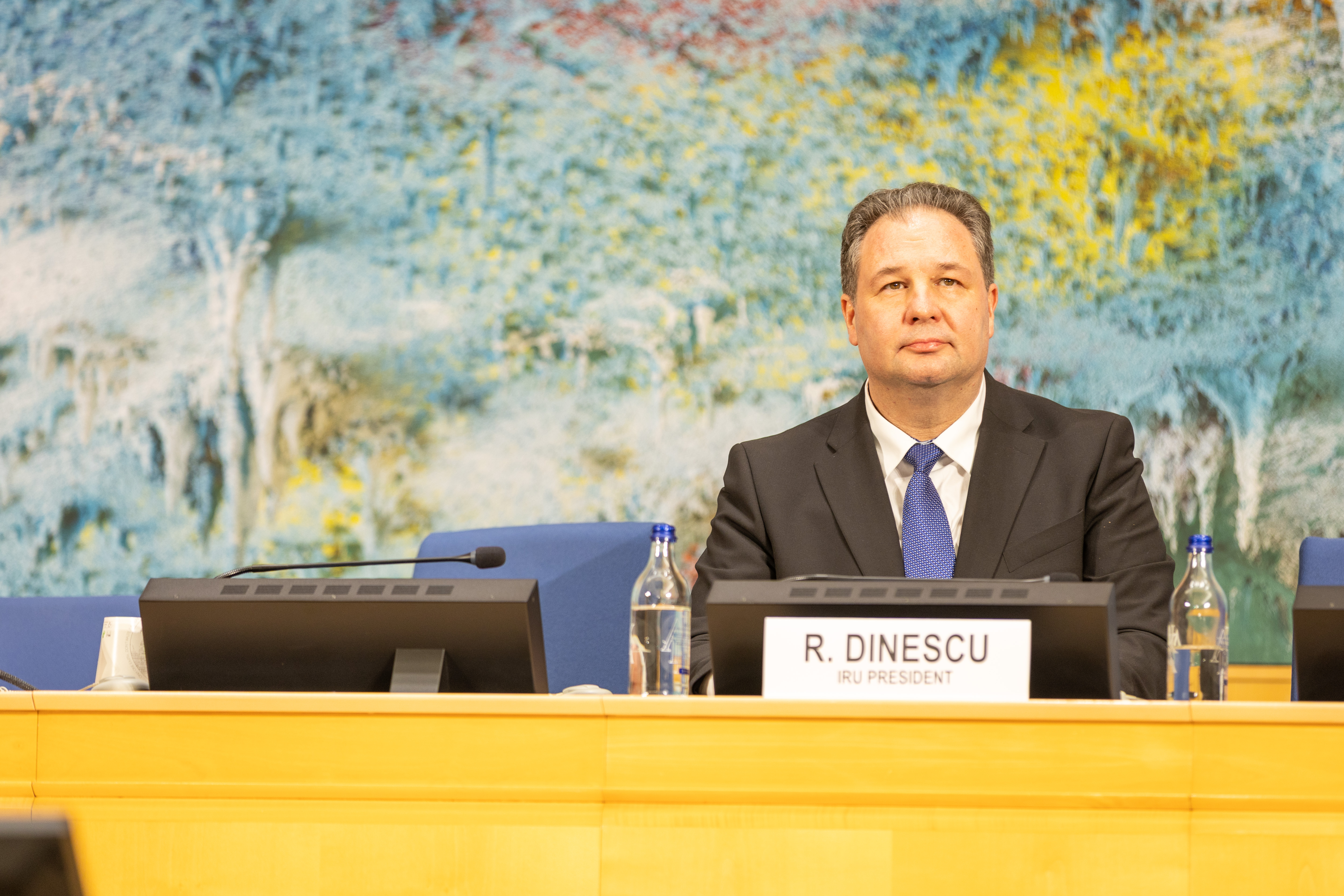
IRU President Radu Dinescu addressed the ministerial panel on connectivity, mobility and trade, “Trade works best when borders work properly. And when borders work better, trade and development grow.
“The path to stronger global trade is clear: simplify, harmonise and digitalise how goods and people move.”
The global TIR transit system remains one of the most powerful tools for achieving this. By providing a single, internationally recognised transit procedure, TIR cuts border waiting times by up to 92%, reduces transport costs by up to 50%, and strengthens security.
Brazil is the latest country to join TIR, opening the door to more efficient trade flows across South America and creating new opportunities for global supply chains.
“Trade facilitation is not only about goods; it is also about the people who keep supply chains moving,” said Radu Dinescu. “Drivers are essential workers, but they are confronted with cumbersome red tape, such as visa application procedures, making their work difficult.”
“We need to treat them as heroes, not zeros. The solutions are in our hands. We can streamline, shorten and improve visa procedures, helping make road transport operations more resilient and competitive, fostering regional and global trade,” he added.
CMR turns 70
ITC marked the 70th anniversary of the Convention on the Contract for the International Carriage of Goods by Road (CMR) – a cornerstone of international road transport law.
CMR is a testament to what the UN, governments and the private sector can achieve together.
Since its signing in Geneva in 1956, the CMR Convention has provided the clarity, fairness and legal certainty needed for operators to move goods seamlessly and expand their services.
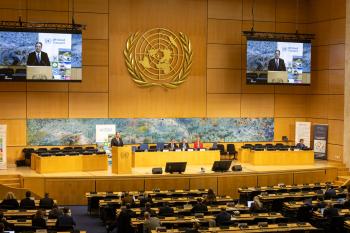
“Our CMR journey is not over. Looking forward, one of the most significant developments is the rise of eCMR, the digital protocol to the Convention,” said Radu Dinescu.
By enabling digital consignment notes, eCMR is transforming trade and transport, making it more transparent, secure and sustainable.
The road transport industry is ready to continue working with UNECE and governments to drive forward the era of the digital consignment note.