The shortage of drivers is a major constraint on the industry, with implications extending far beyond road transport. Local recruitment efforts must be accompanied by legal driver mobility pathways, IRU said at the Budapest Process meeting on legal pathways for migration in Islamabad, Pakistan, this week.
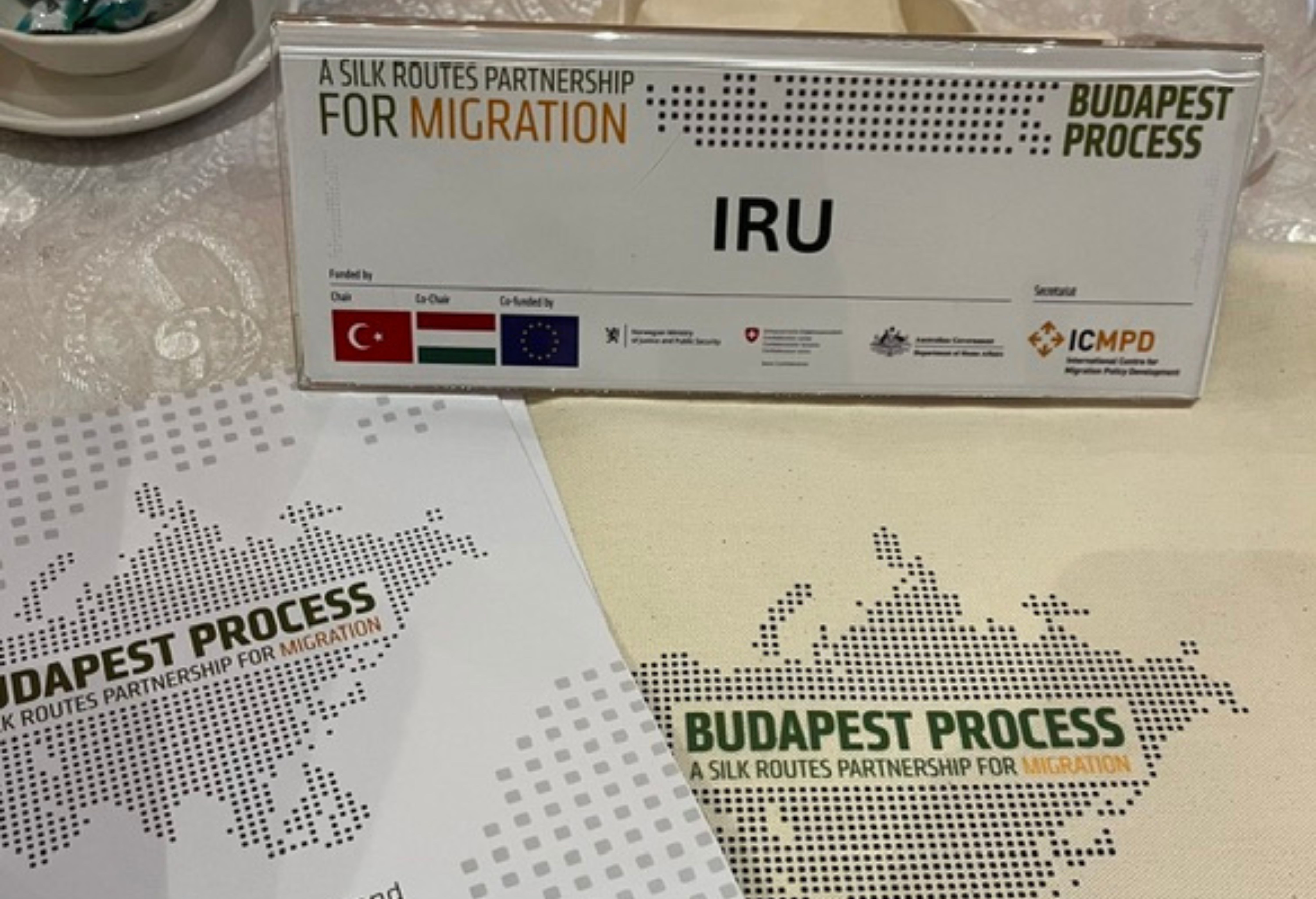
The Budapest Process is an interregional dialogue on migration stretching from Europe to the Silk Routes Region. It provides a platform for dialogue and cooperation for over 50 governments with the aim to strengthen cooperation on migration and mobility.
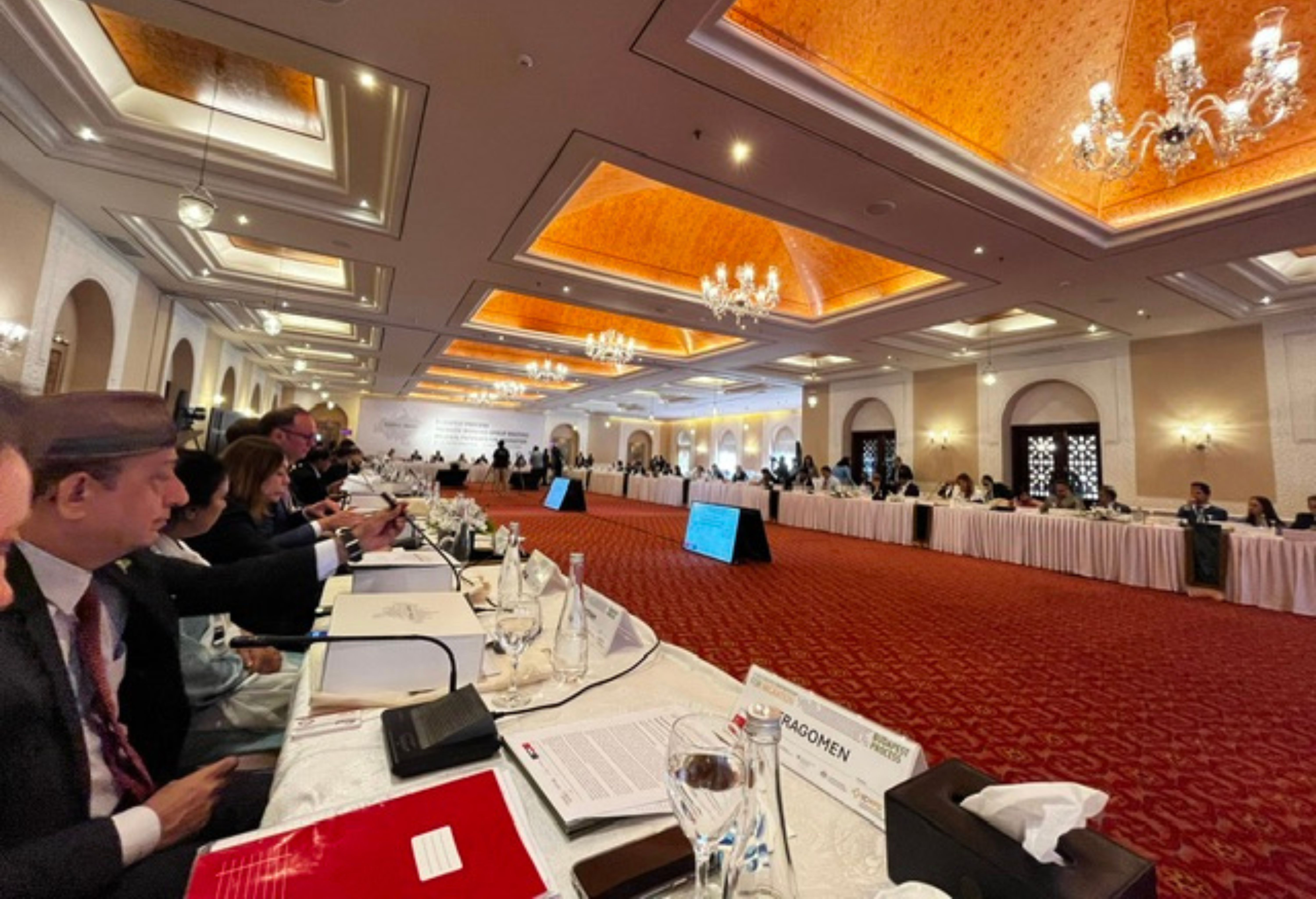
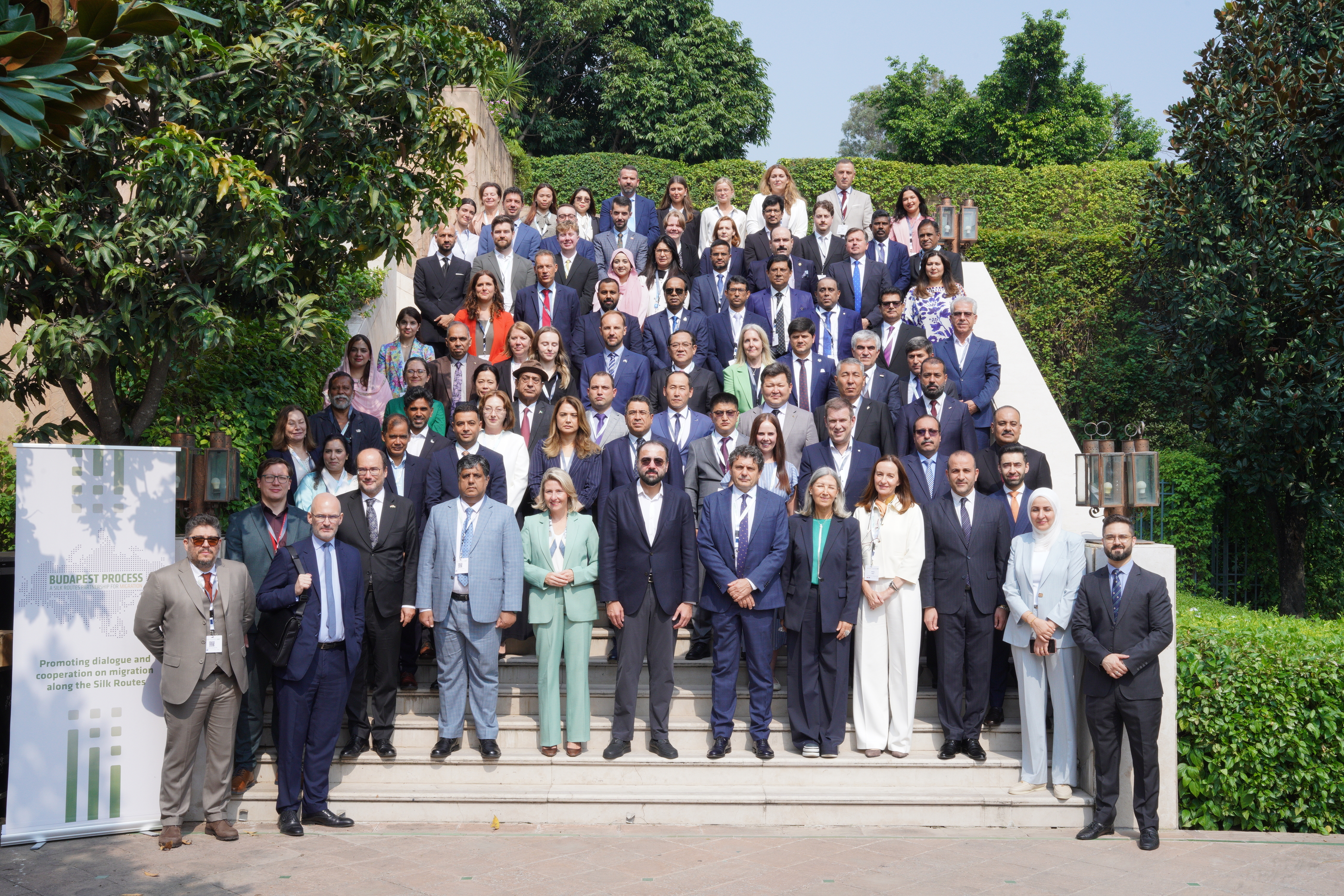
At its meeting on legal pathways for migration, organised by the International Centre for Migration Policy Development and hosted by Pakistan's Ministry of Overseas Pakistanis and Human Resource Development, IRU Director of Certification and Standards Patrick Philipp addressed the opening session on employer demand and opportunities for labour mobility partnerships.
He warned that, according to IRU’s latest report, the industry is missing 2.9 million drivers across 18 countries studied, with over 500,000 in Europe alone.
And it’s about to get worse: around 700,000 drivers are set the retire over the next five years in the EU, widening a gap that local recruitment alone will not be able to close.
A shortage that is limiting growth
Patrick Philipp highlighted to more than 100 delegates that the structural shortage of drivers is already constraining growth for transport companies.
He further noted that "commercial road transport and mobility are growth enablers for the wider economy, moving the goods and people that other sectors rely on. A shrinking driver workforce is ultimately a risk to economies as a whole.”
Opening legal, sustainable pathways
Together with its members, IRU is working on making the driving profession more attractive, including efforts to bring more women and young drivers into the profession.
But these efforts will not be enough on their own: efficient legal mobility pathways for drivers are needed. For driver mobility to be sustainable, public and private actors in countries of origin need to apply international standards, such as relevant UN conventions, that support mutual recognition of the standards each country applies.
Cutting red tape, recognising skills
On the EU side, IRU advocates for the streamlining of administrative procedures around driver mobility and the introduction of single-window solutions to facilitate and effectively monitor the process.
Professional qualifications that drivers obtain abroad, when these follow internationally recognised standards, should be gradually recognised, and should carry greater weight with the European Commission and EU countries going forward.
IRU is already advancing this agenda through two ongoing initiatives: STEER2EU, a European Commission study on the employment of third-country bus and truck drivers, and SDM4EU, a project under the EU Migration Partnership Facility that supports safe, legal mobility pathways for professional drivers between countries of origin and EU countries facing shortages.