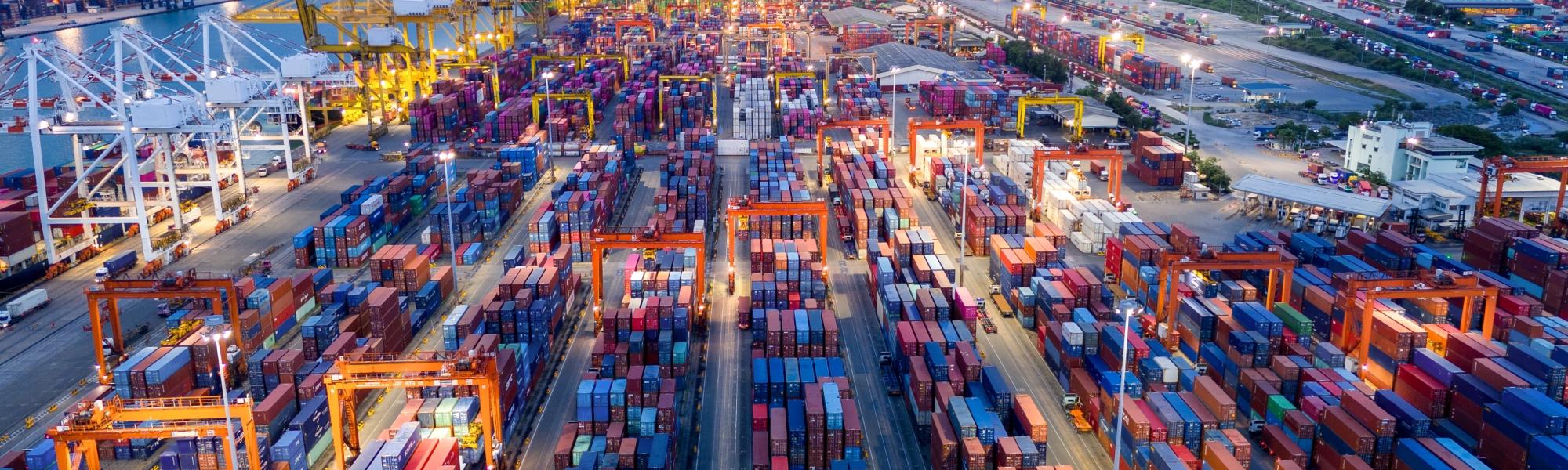
FIATA has published a new practical reference designed specifically for freight forwarders to assess, plan and operate transport flows along multimodal corridors.
Geopolitical developments and disruptions to strategic trade routes have reshaped supply chains.
Yet much of the discussion around corridors remains focused on infrastructure, policy and investment.
FIATA’s new user handbook fills one of the critical gaps by bringing freight forwarders’ perspectives to the forefront, enabling logistics professionals to evaluate a corridor based on the operational factors that determine whether cargo moves efficiently, predictably and competitively.
The handbook examines questions – such as capacity availability, transit time reliability, document requirements, operational bottlenecks, resilience to disruption, and available alternatives when conditions change – that freight forwarders need answers to when assessing a corridor.
New assessment framework
The handbook introduces FIATA’s corridor assessment framework, which has three operational dimensions: infrastructure and network capability, corridor service performance, and trade facilitation and regulatory environment, complemented by an assessment of resilience.
The framework translates complex corridor characteristics into practical operational considerations for shipment planning, risk management and customer decision-making.
Applied to the Middle Corridor, the framework provides operational considerations for freight forwarders and their customers.
Customs transit
The challenges the handbook identifies – border delays, paperwork, unpredictable transit times – are the same ones road transport operators face every day. TIR and eTIR address them for everyone in the chain, from the forwarder organising the shipment to the operator moving it.
In a case study on eTIR, it reports operations from earlier this year that ran across the Caspian Sea between three countries: Azerbaijan, Turkmenistan and Uzbekistan.
FIATA’s case study highlights four key advantages for freight forwarders: cross-border transit under a single customs framework; electronic customs communications; reduced paperwork; and advance cargo information.
This handbook marks the beginning of a broader FIATA initiative to examine multimodal transport corridors from the perspective of freight forwarders.