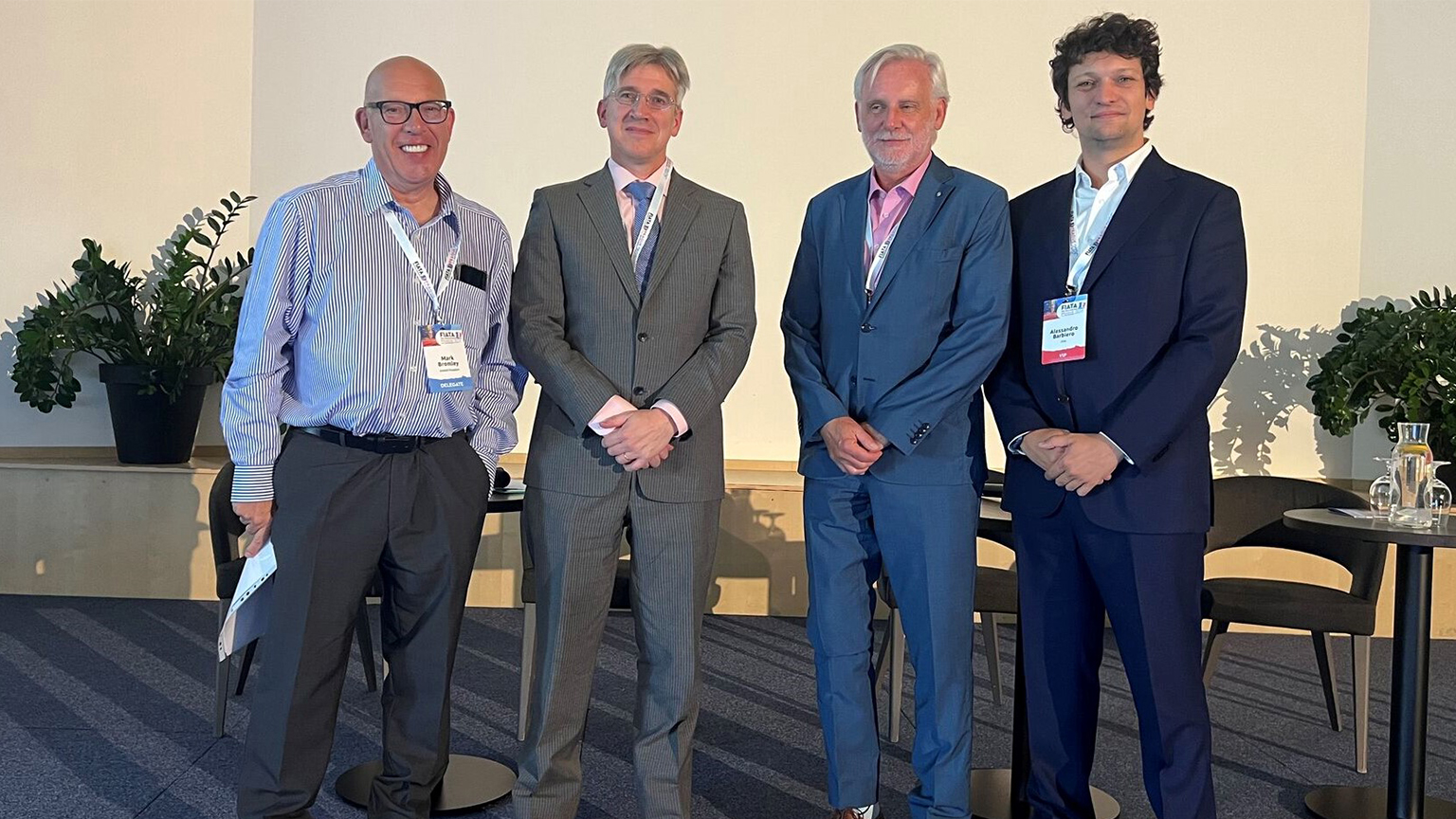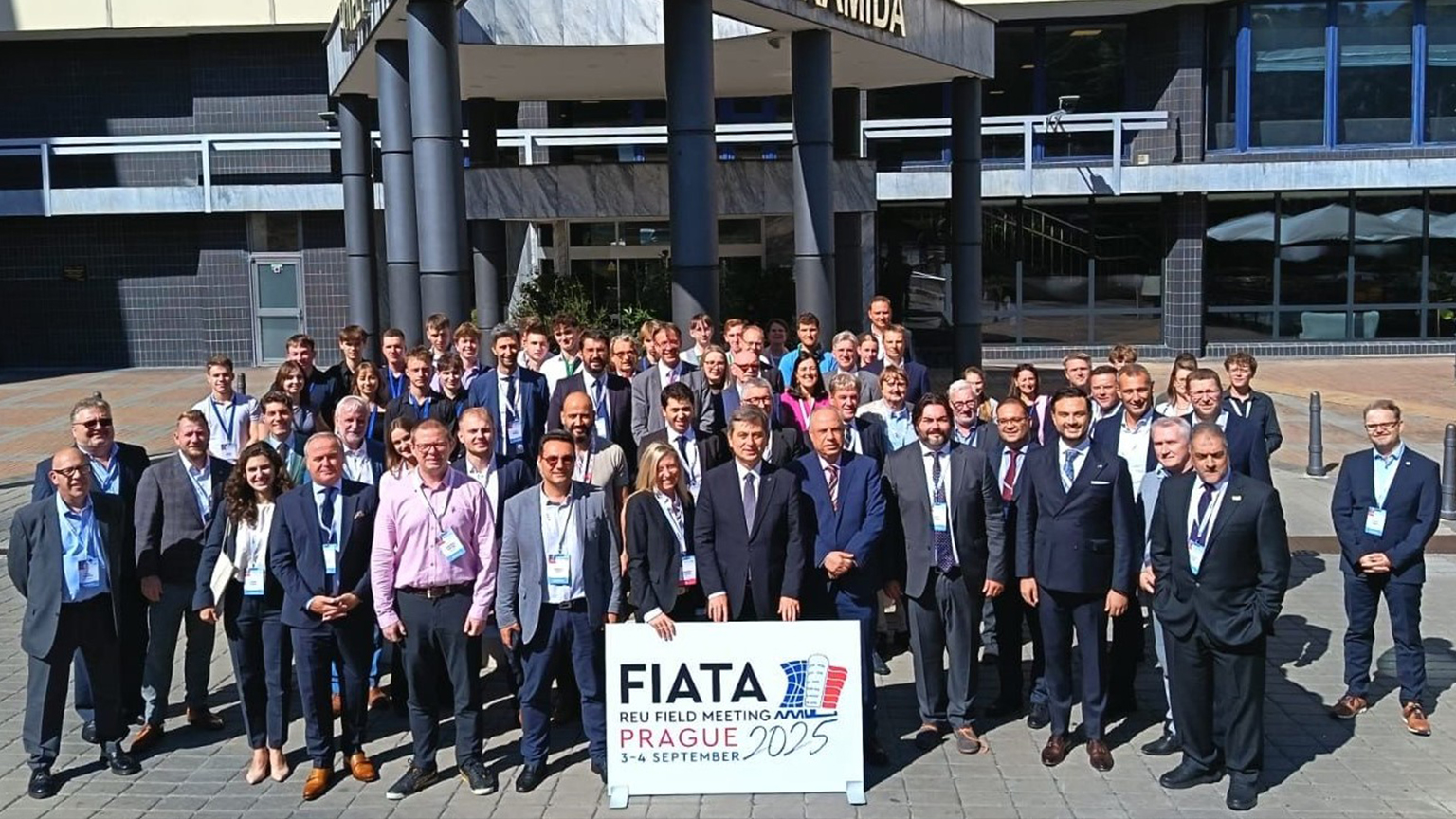
IRU explored the road to wider eCMR adoption at the recent International Federation of Freight Forwarders Associations (FIATA) event in Prague.
Nearly 70 years after the adoption of the Convention on the Contract for the International Carriage of Goods by Road (CMR), the CMR consignment note has become the most widely used road transport document.
Today, CMR covers around 280 million international road transport operations every year. However, its digital version, eCMR, is used in less than 1% of operations.
eCMR offers numerous benefits: lower administrative costs, elimination of paper, faster invoicing, increased transparency and operational visibility, and compliance with eFTI (the EU regulation to digitalise and standardise freight transport information).
So why is adoption so low?
Speaking at the FIATA Region Europe Field Meeting, IRU IS/IT Associate Director Cédric Oelhafen highlighted the growing use of eCMR in sectors such as automotive, chemicals, retail, and horticulture.
However, he noted that the lack of interoperability between eCMR platforms remains one of the biggest barriers to wider adoption.
“eCMR will only become scalable when shippers, freight forwarders, and transport operators can work across different eCMR platforms,” said Cédric Oelhafen.
“Until this hurdle is addressed, the logistics and road transport sectors will not be able to reap the full benefits of eCMR.”
Other challenges include translating eCMR’s legal and functional obligations into technical requirements for eCMR platforms; uncertainty around the recognition of eCMR by enforcement authorities and customs; the lack of clear and practical guidelines on digital signatures and user authentication; and the limited availability of reliable eCMR platforms.
eFTI is expected to enable full acceptance of eCMR across the EU by mid-2027.
Digitalisation is essential for making road transport and logistics more efficient and sustainable. Wider eCMR adoption is a critical part of this puzzle.