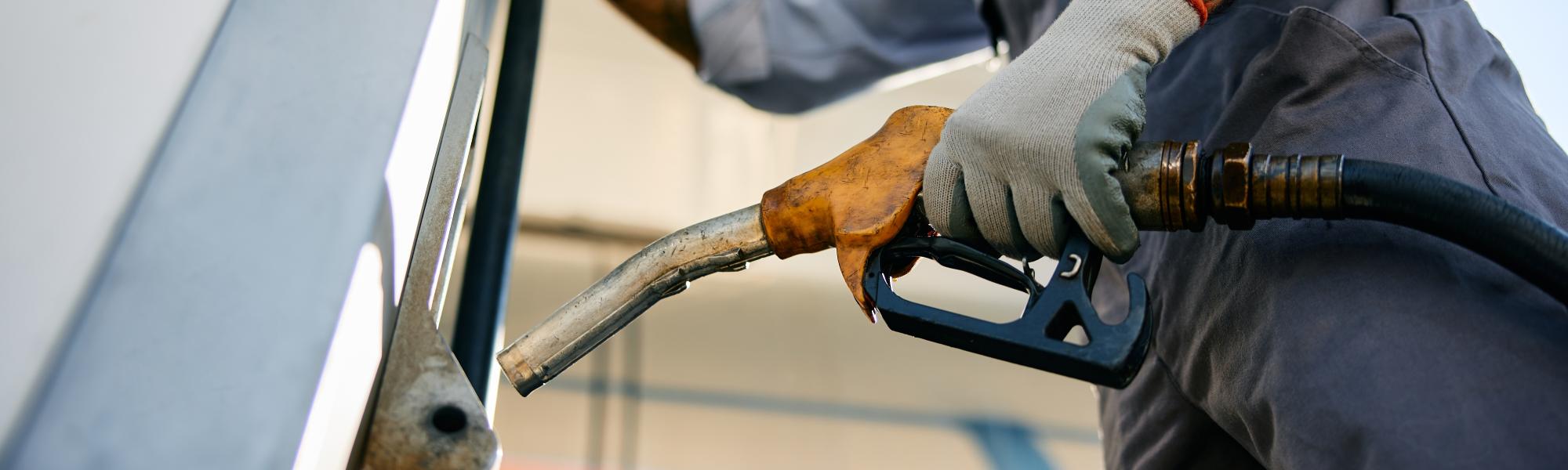
Surging diesel prices and tightening fuel supply are putting EU transport operators under immediate pressure and risk disrupting logistics chains. IRU is calling on the European Commission to urgently coordinate an EU-wide response to stabilise fuel markets and ensure the continued flow of goods.
In a letter sent to European Commission President Ursula von der Leyen, IRU outlines three priority actions to ensure fuel availability and support operators during the current market disruption: coordinating the release of strategic oil reserves across EU Member States, enabling temporary flexibility on fuel excise duties, and allowing targeted crisis support for companies under EU state aid rules.
IRU Secretary General Umberto de Pretto said, “If diesel supply is disrupted, the effects will be felt immediately across EU logistics networks, slowing supply chains and affecting the delivery of goods to businesses, shops and households.
“Coordinated EU action is essential to stabilise fuel markets, avoid fragmented national responses and ensure that logistics chains continue to function.”
Disruptions to maritime energy flows through the Strait of Hormuz are already feeding through to fuel prices and supply conditions across the EU.
With well over 90% of the EU truck fleet running on diesel, any disruption to fuel availability would immediately affect freight transport operations and the functioning of EU supply chains.
Early signals from IRU members indicate that fuel availability is already tightening in some Member States, with reports of supplier-level rationing emerging in certain markets. In situations of perceived scarcity, suppliers may prioritise other sectors such as heating oil, potentially constraining diesel availability for freight transport.
At the same time, national responses are beginning to diverge, raising the risk of fragmented measures that could distort competition and undermine the EU’s single market.
IRU urges the European Commission to align EU action with the coordinated response of the International Energy Agency on strategic oil reserves, encourage Member States to use flexibility under the Energy Taxation Directive, and establish a temporary crisis framework allowing targeted support for transport operators.
Fuel prices typically represent around a third of operating costs in road freight transport, while many operators run on margins of around 2%, leaving little capacity to absorb sudden price shocks.
Without rapid and coordinated EU action, prolonged fuel market disruption risks pushing transport SMEs into financial distress, reducing transport capacity and destabilising logistics and mobility systems.