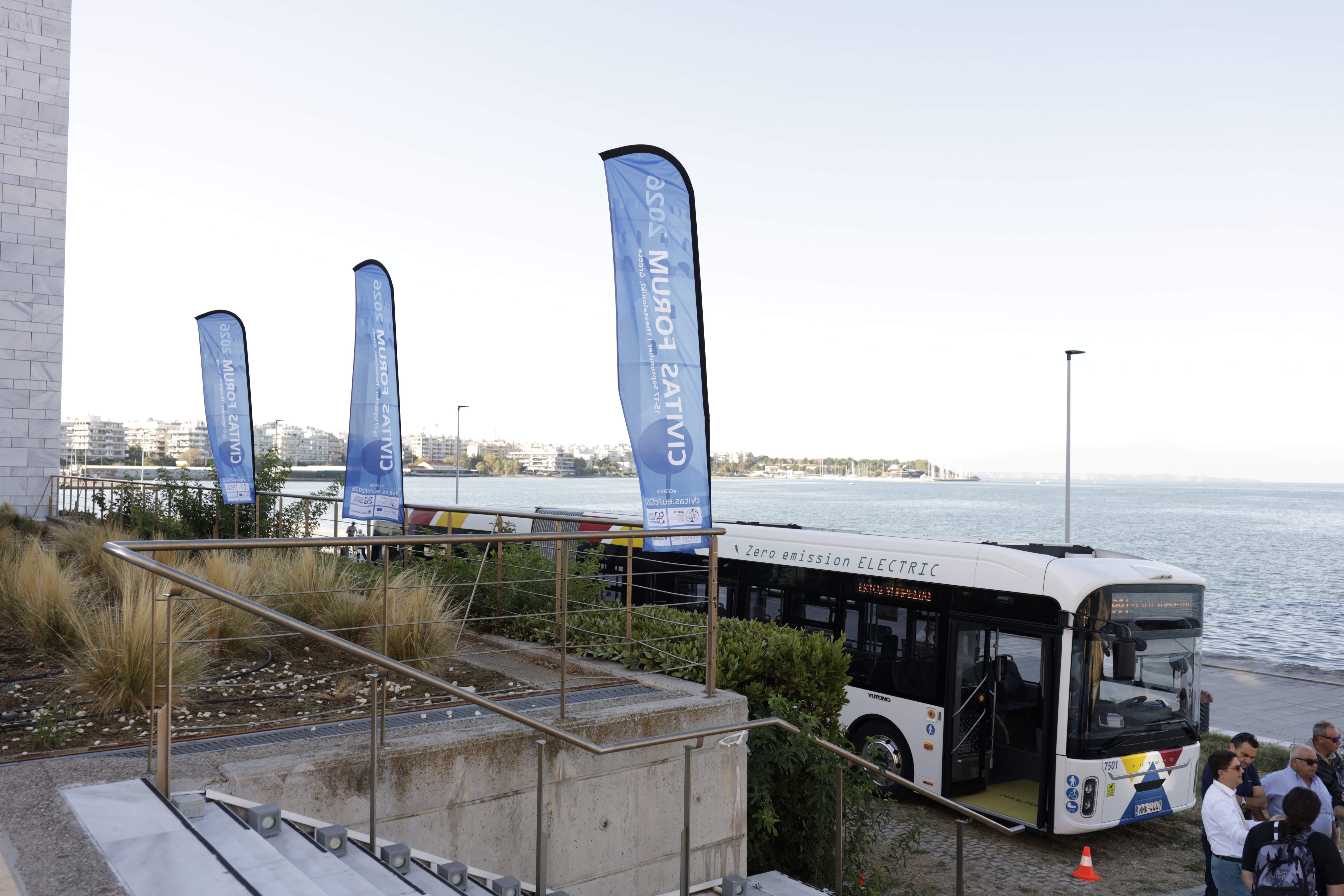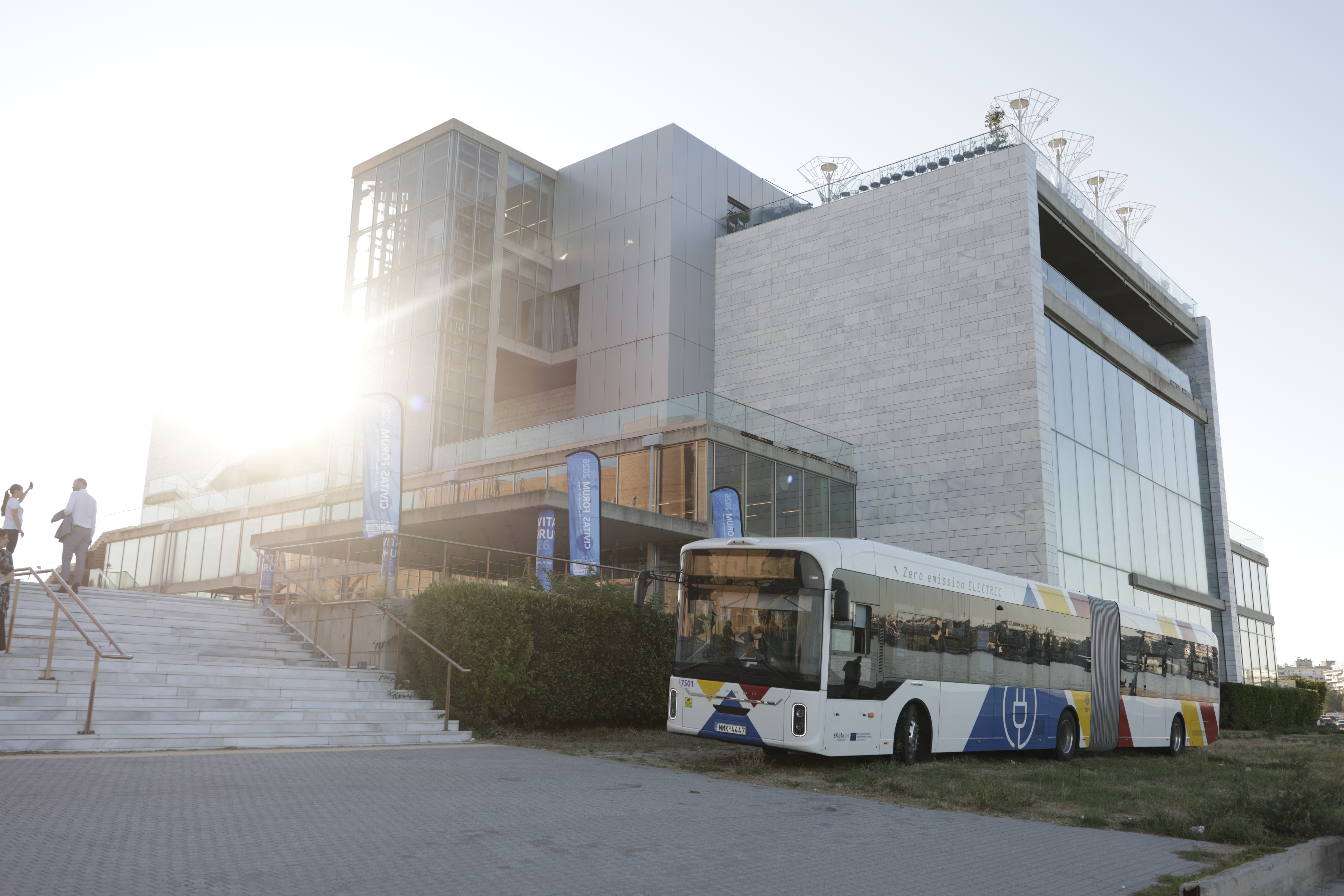
IRU brought the perspective of the coach and bus sector to the CIVITAS Forum 2026 in Thessaloniki, Greece, highlighting the need for coordinated urban access rules, investment in infrastructure and modernised skills to make urban mobility more sustainable, inclusive and connected.
The CIVITAS Forum is the annual flagship event of the CIVITAS Initiative, a European Commission-initiated network dedicated to smart, clean and inclusive urban mobility.
Under the theme “Roots and Routes: Moving Forward to Competitive, Connected and Resilient Urban Mobility”, this year’s edition brought together city representatives, policymakers, researchers and mobility stakeholders to explore how urban mobility innovation can move from promising ideas to solutions that can be scaled across Europe.
Coordinated access rules needed
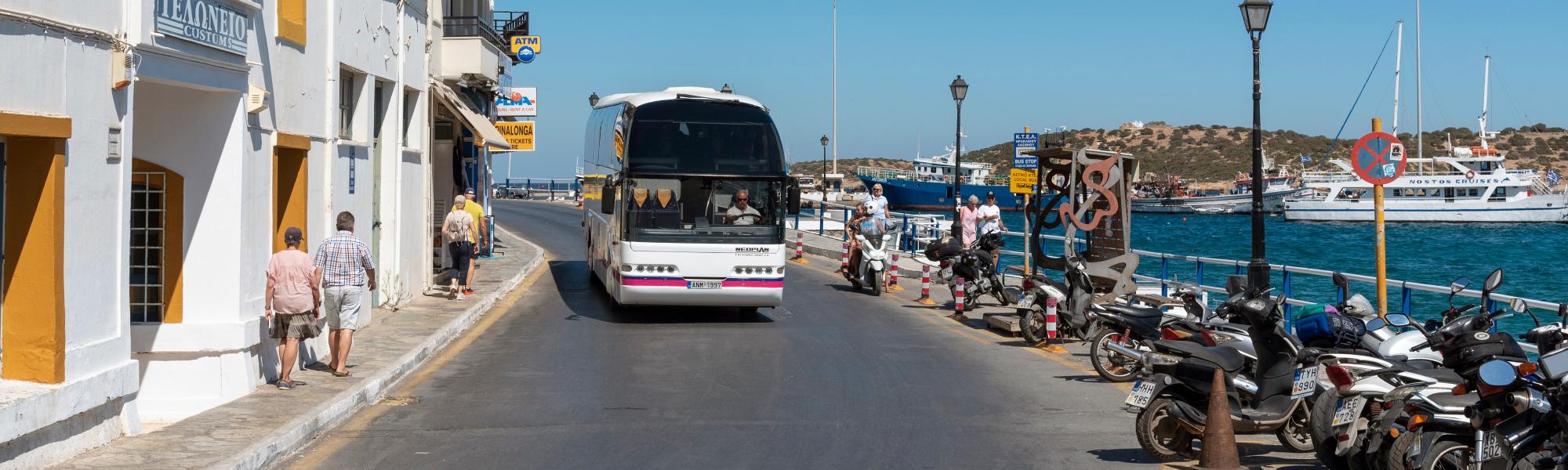
IRU highlighted the role of coach and bus services in connecting cities and supporting more sustainable tourism, while stressing that operators need adequate infrastructure and clear, predictable access rules to serve urban destinations effectively.
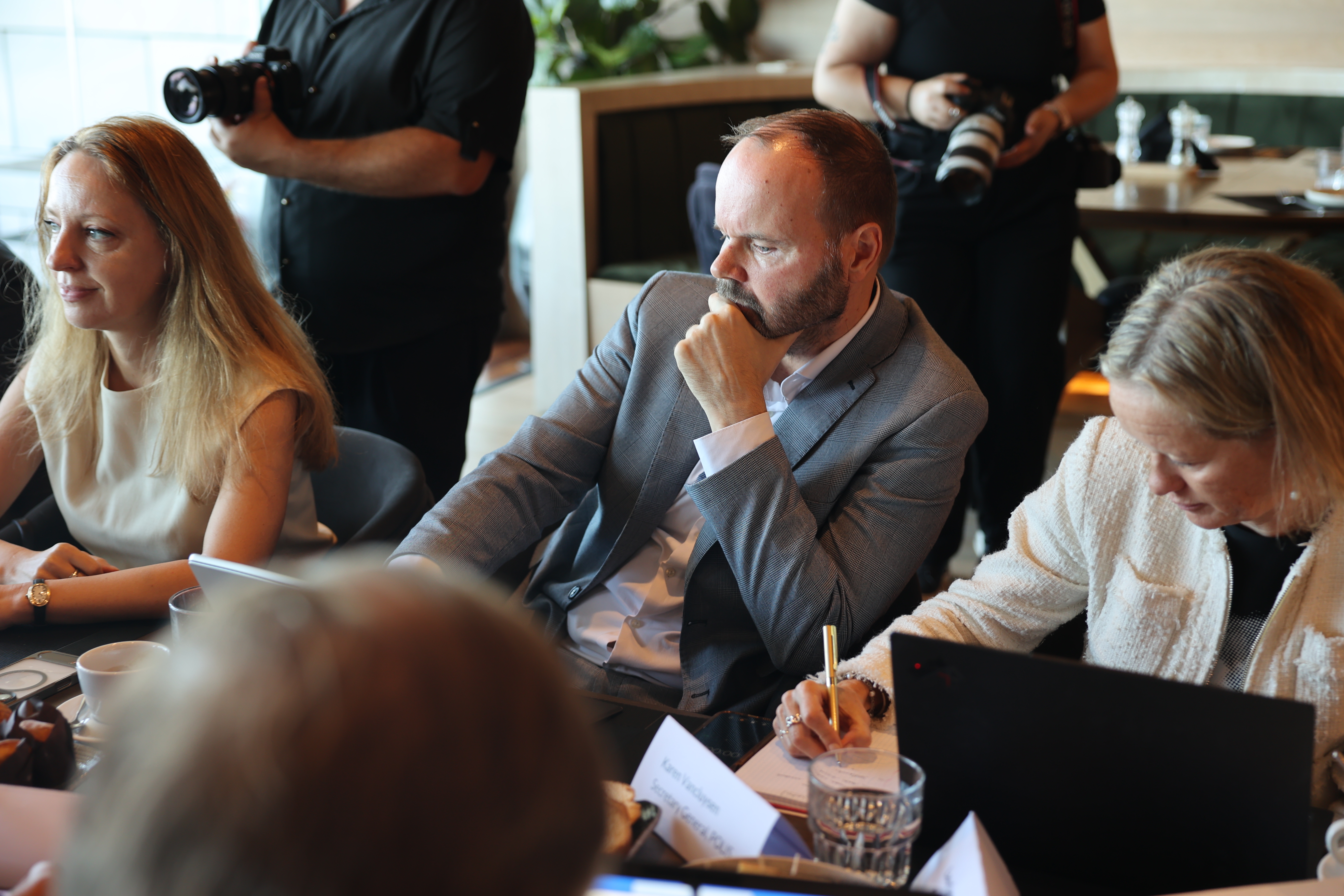
At the Politicians Exchange Forum, held at Thessaloniki Town Hall under the theme “The 2026 EU Sustainable Tourism Strategy: Mobility and Tourism at a Crossroads”, IRU Senior Adviser for Passenger Transport Suzanne Hoadley joined discussions on the role of coaches and buses in urban mobility and tourism planning.
She stressed the need for greater investment in coach terminals and an EU-wide one-stop shop for information on urban vehicle access regulations (UVARs). Across Europe, varying restrictions, permit requirements and designated pick-up and drop-off arrangements create practical challenges for coach operators serving cities.
Better coordinated access rules, supported by adequate infrastructure, would make it easier for operators to plan services and improve connectivity for visitors, supporting the wider push for smart, connected urban mobility systems.
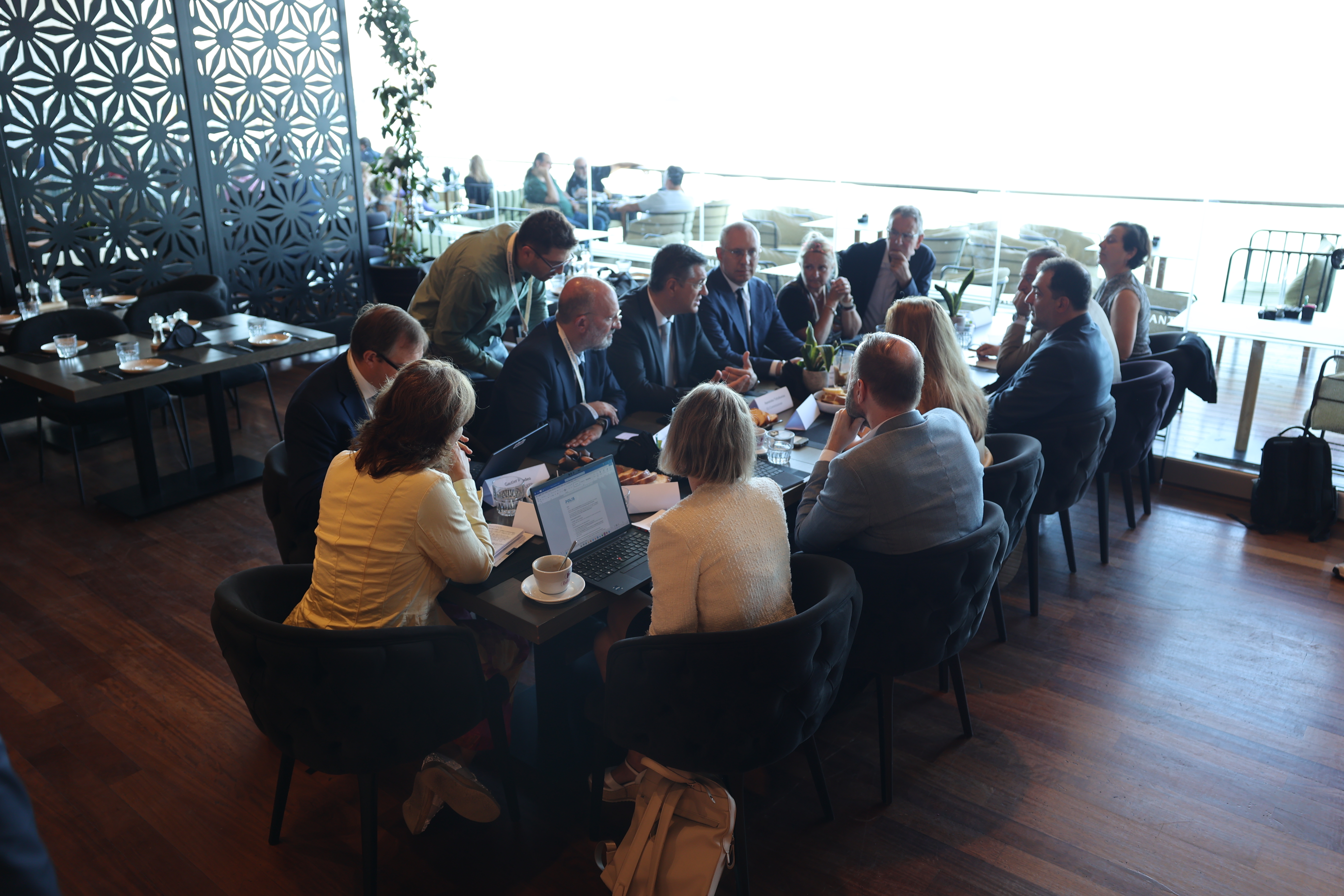
High-level dialogue with Commissioner Tzitzikostas
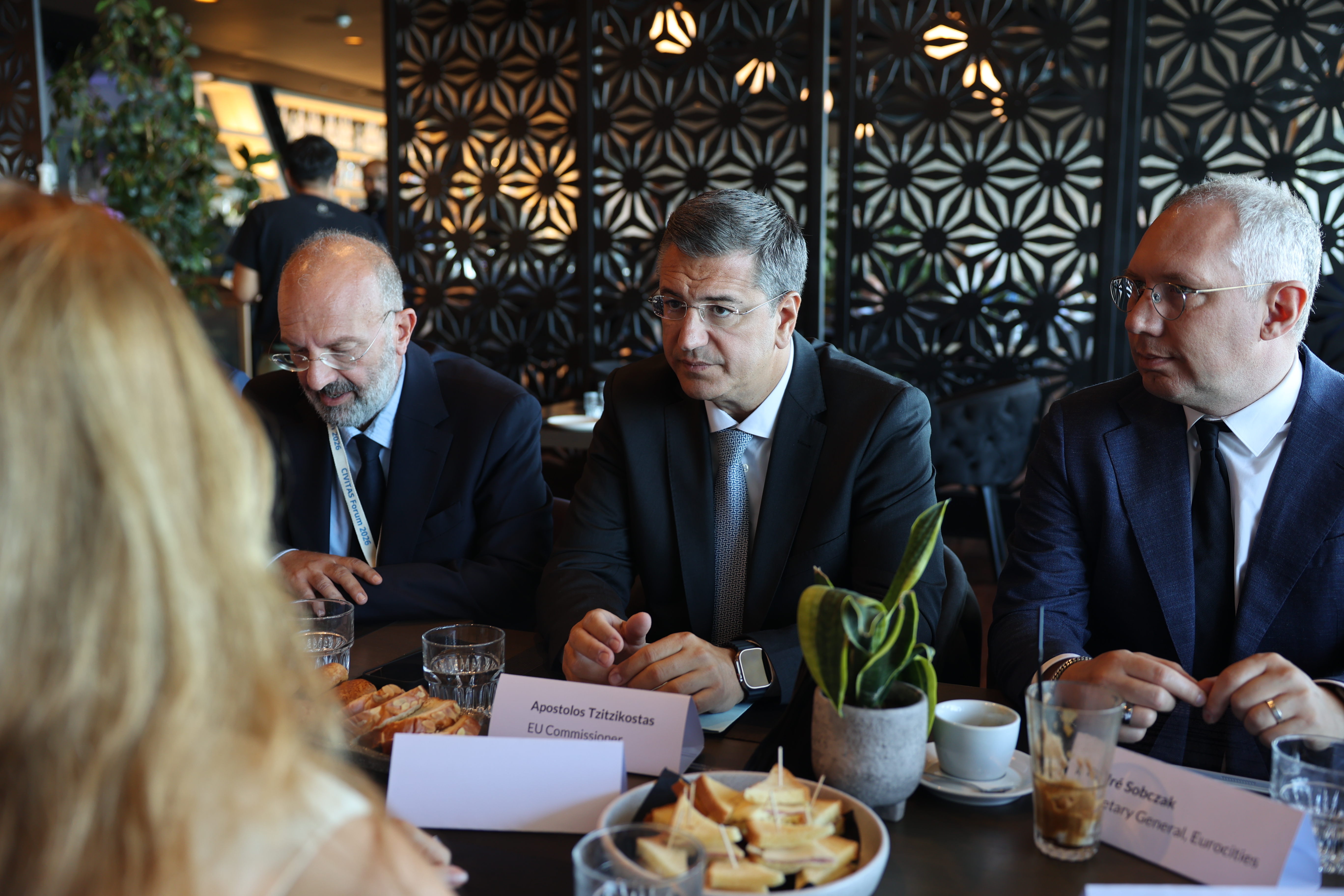
IRU EU Director Raluca Marian took part in a high-level meeting with Apostolos Tzitzikostas, European Commissioner for Sustainable Transport and Tourism, and key stakeholders. The exchange focused on how to scale up urban mobility innovation. Raluca Marian set out three priorities for the road transport sector: digitalisation, decarbonisation and skills.
On digitalisation, she called for simpler administrative procedures and an EU one-stop shop for information on vehicle registration and access requirements across low-emission zones, helping operators navigate urban restrictions and reducing administrative burdens.
On decarbonisation, she identified the ongoing revision of the Alternative Fuels Infrastructure Regulation as an opportunity to establish an EU framework enabling incentives for semi-public charging infrastructure at transport hubs and terminals. Making such infrastructure accessible to other operators could accelerate electrification in urban nodes, particularly for coaches that depend on reliable charging facilities beyond their home depots.
On skills, she stressed that innovation must also address the people operating the vehicles. She called for professional driver training rules to be modernised to reflect changing market needs, new vehicle technologies and evolving operational realities.
From Thessaloniki to Brussels
Turning urban mobility innovation into practical solutions requires policies that reflect the operational realities of passenger transport. For coach and bus operators, this means being able to access cities, connect with other transport modes and provide reliable and accessible services.
As the EU advances its sustainable mobility and tourism agenda, ensuring that coaches and buses are fully integrated into urban transport planning will be key to making cities more connected and tourism more sustainable.