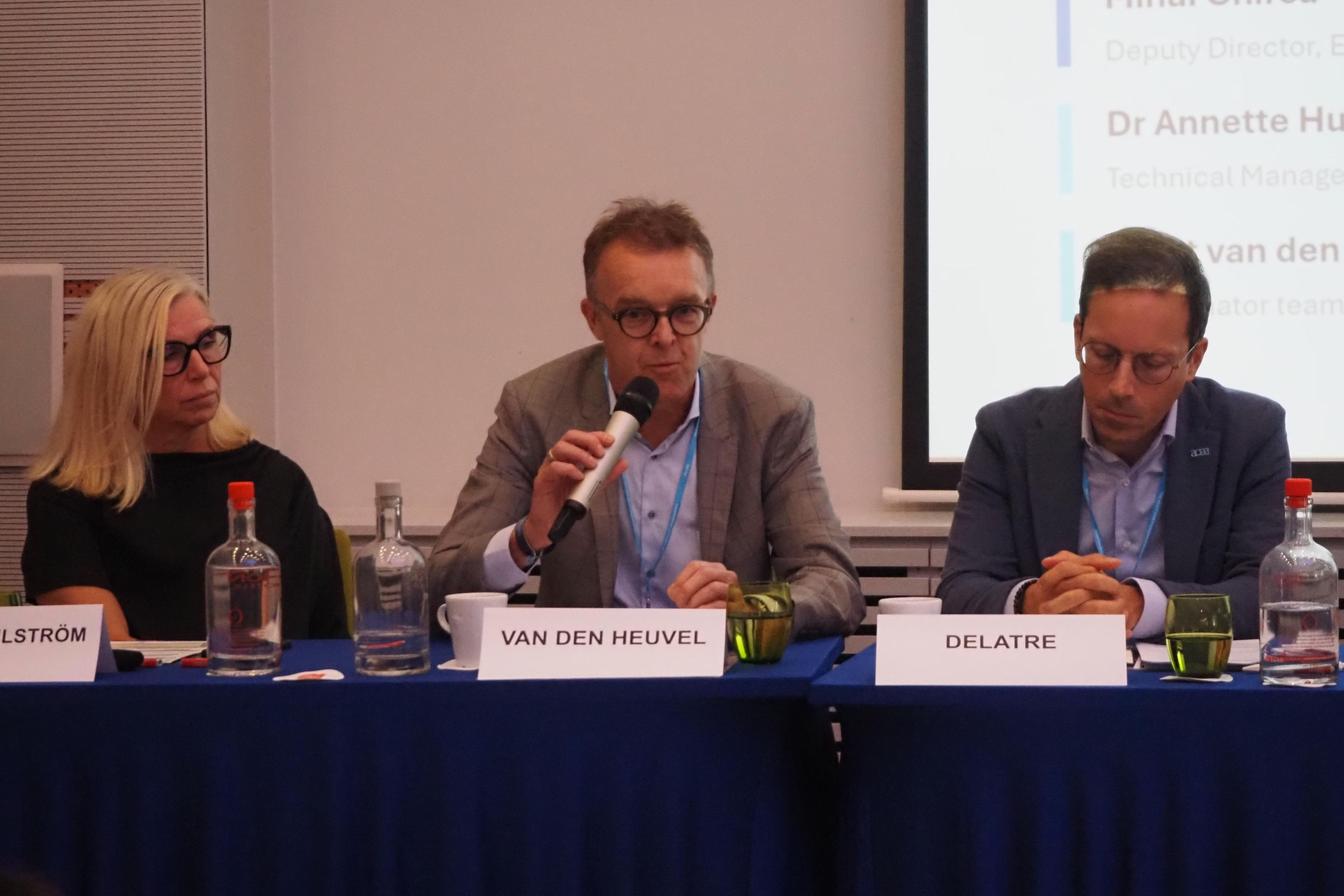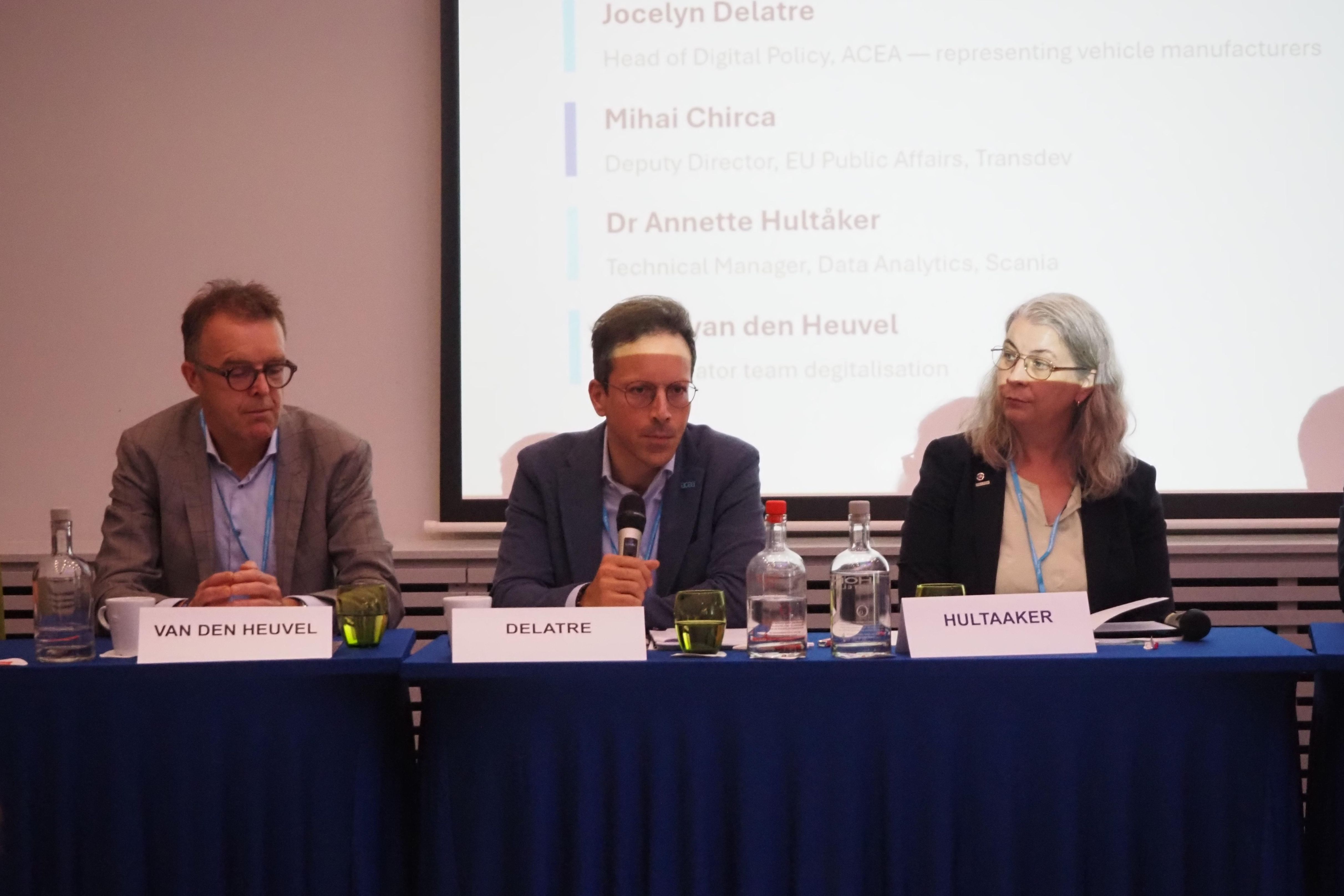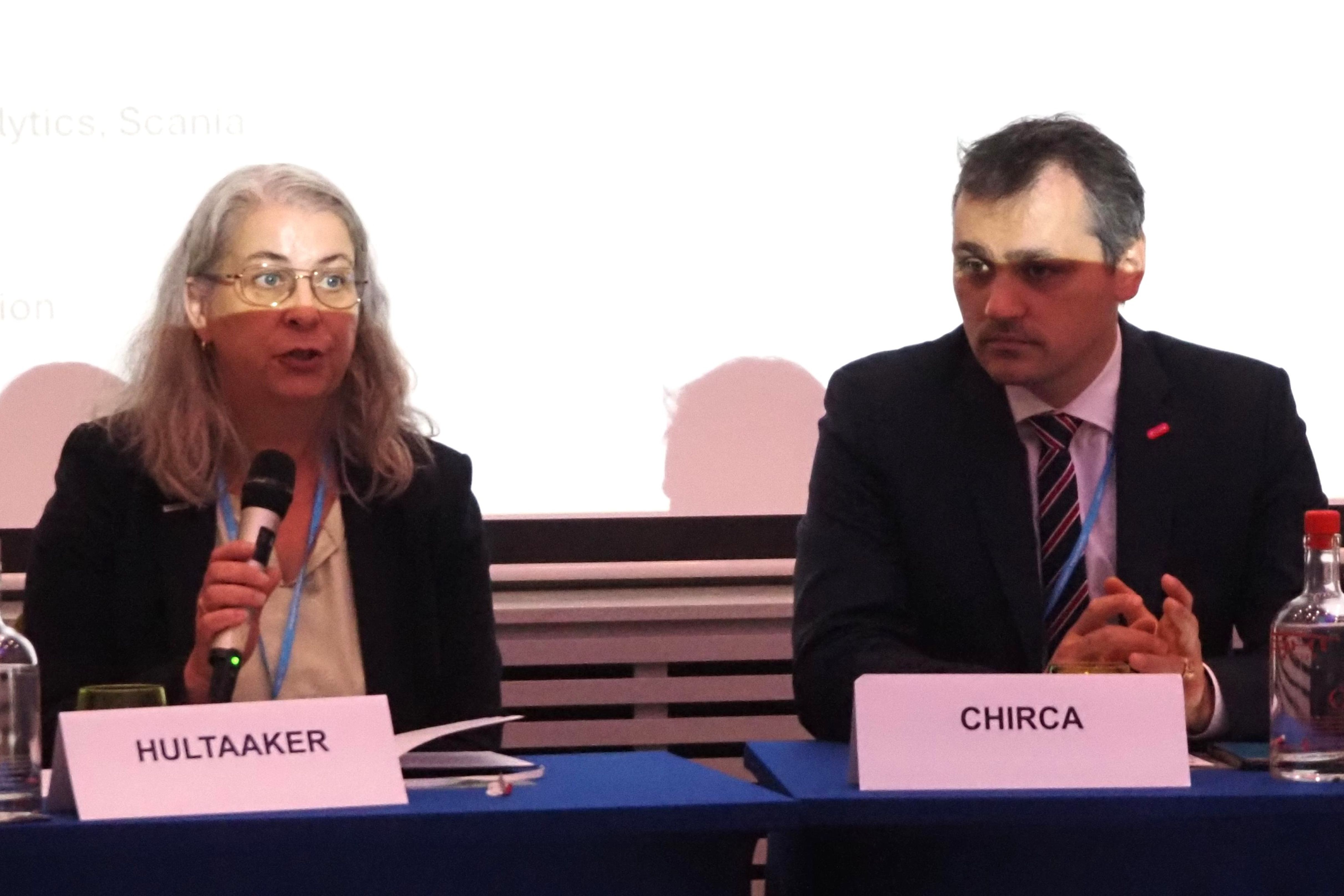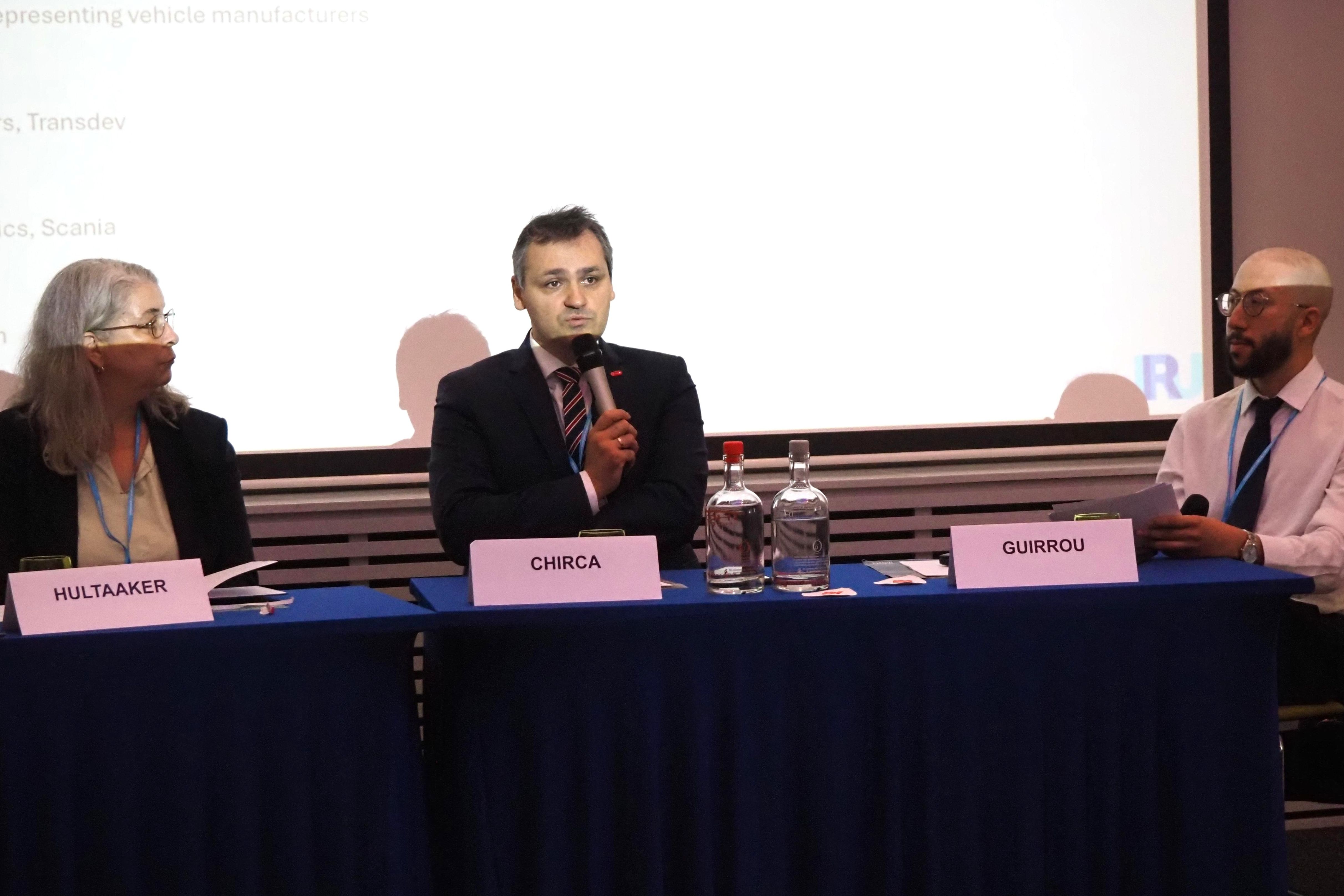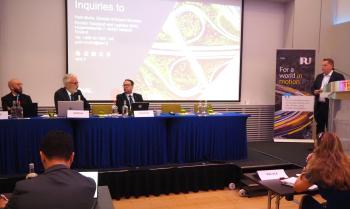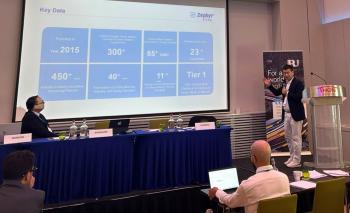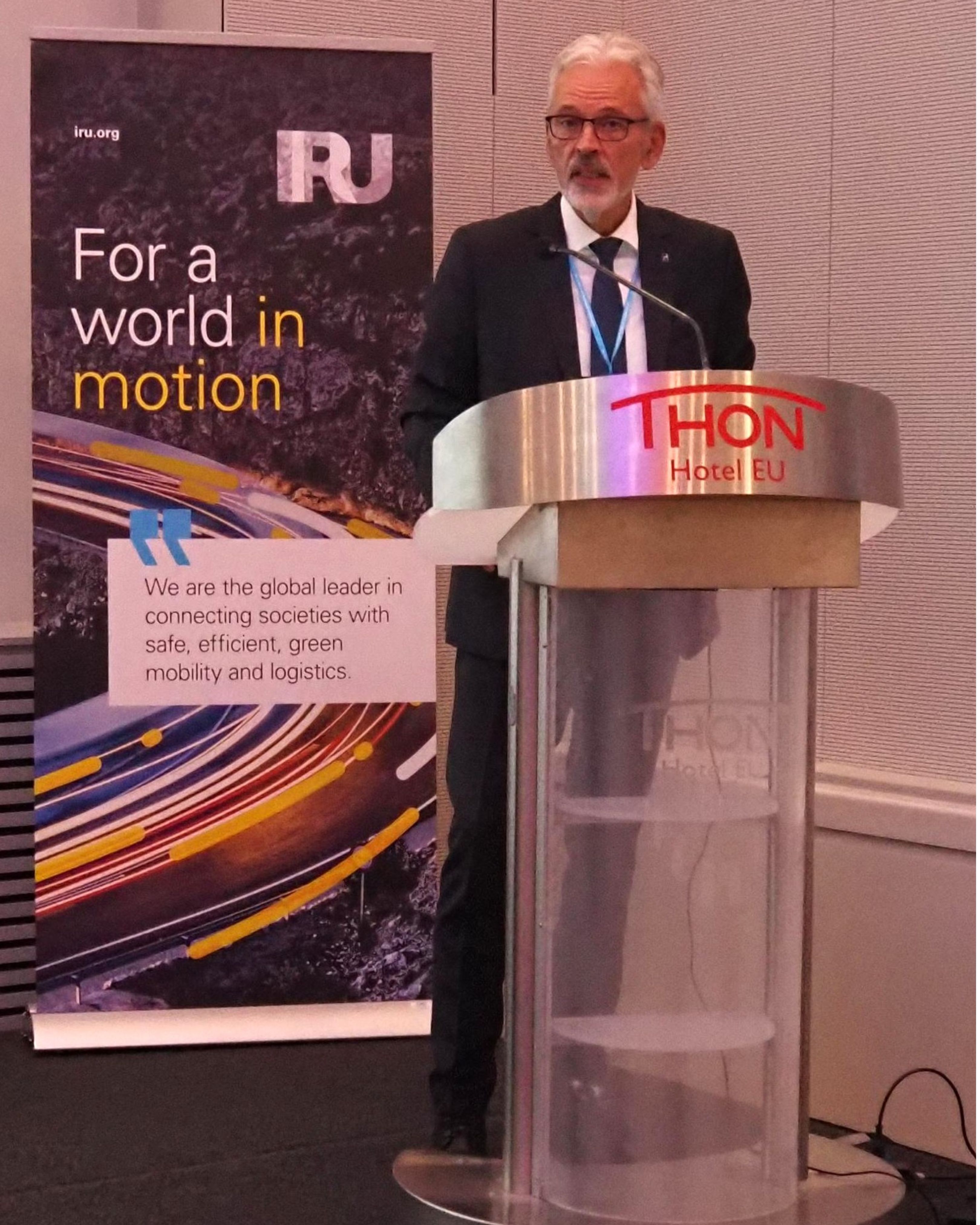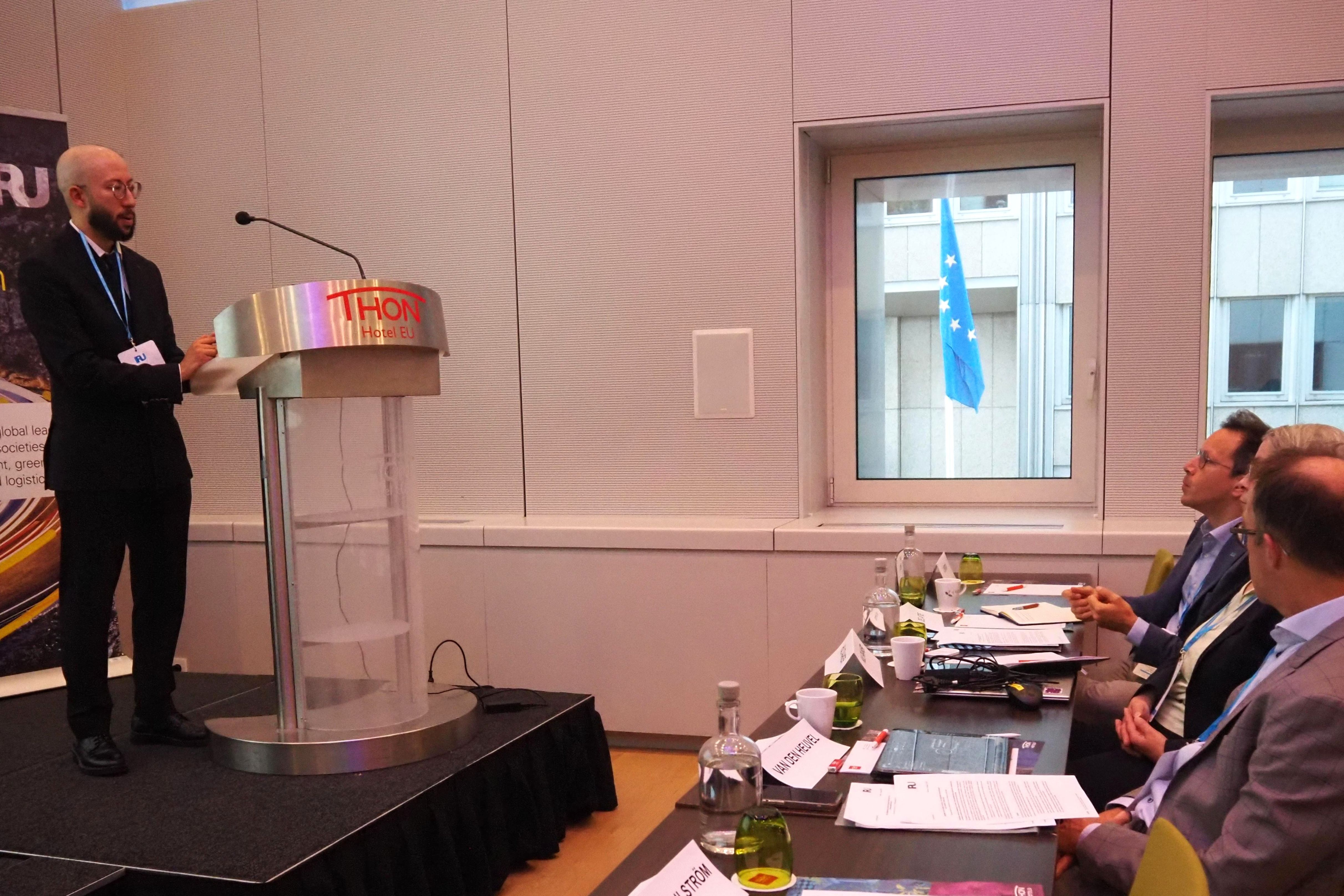
IRU’s Commission on Innovation and Technology (CIT) brought together members and industry experts in Brussels to exchange views on the technologies, regulatory developments and practical challenges shaping the future of commercial road transport.
From access to vehicle data and emissions-control systems to battery safety, electrification and AI, last week’s CIT meeting combined policy discussions with examples of how emerging technologies are already being applied in road transport. Here is a rundown of all the action in Brussels.
2027 agenda
CIT members endorsed the work programme for 2027.
It is built around five focus areas: regulatory harmonisation and simplification; digitalisation and data exchange; energy transition and operational readiness; vehicle technology and innovation; and safety and security.
Finding common ground on vehicle data
Access to in-vehicle data was a central theme of the meeting.
CIT members reviewed the work of its Informal Working Group on Access to Vehicle Data, including proposed principles supporting operators’ ability to access, use and share data generated by vehicles they own, lease or operate, while protecting manufacturers’ proprietary software, algorithms and AI services.
The proposals also stressed that access should be secure, interoperable, standardised and non-discriminatory.
The discussion continued with a dedicated panel bringing together representatives from the road transport sector, vehicle manufacturers and technology experts to explore a common vision for access to vehicle data.
The panel featured Dr Annette Hultåker (Scania), Jocelyn Delatre (ACEA), Mihai Chirca (Transdev), Petra Eklund Åhlström (Swedish Association of Road Transport), and Wout van den Heuvel (TLN).