Europe is redefining the future of tourism. The forthcoming EU Sustainable Tourism Strategy is an opportunity to build a tourism model that is greener, more resilient, more inclusive and more beneficial for local communities. Achieving these ambitions will require looking beyond traditional assumptions and recognising the transport solutions that are already delivering tangible results.
Every day, coaches quietly connect Europe's tourism ecosystem.
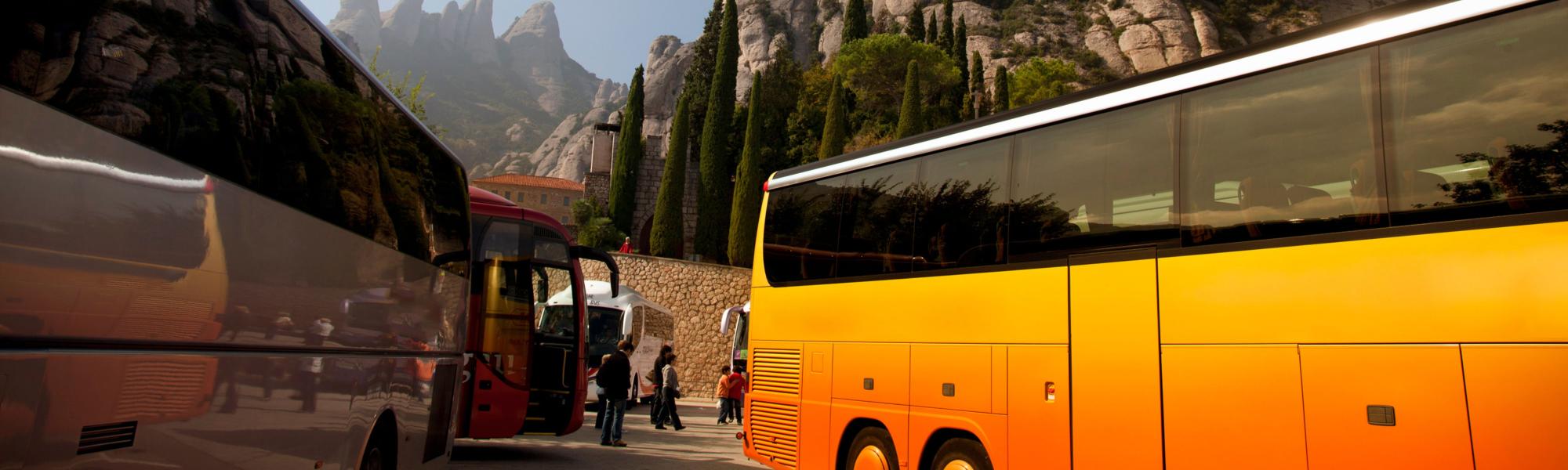
Coaches bring visitors from airports, ports and railway stations to historic cities, coastal destinations, mountain villages and cultural landmarks. They make school trips possible, support business events and conferences, enable group travel and provide affordable holidays for families, young people and seniors alike.
Yet, despite this essential role, coach transport rarely receives the recognition it deserves in discussions about the future of sustainable tourism.
That should change.
Why coach tourism
Coach travel already embodies many of the principles the EU seeks to promote. It combines high passenger capacity with greenhouse gas emissions per passenger-kilometre comparable to long-distance rail. It makes travel accessible to people of all ages and incomes while offering a practical solution that is available today, across every EU country.
Its contribution extends far beyond environmental performance.
Perhaps the greatest strength of coach tourism is its ability to connect people with places that other transport modes cannot reach.
While rail and aviation naturally concentrate travellers around major hubs, coaches provide the flexibility to reach smaller towns, rural regions and emerging destinations.
Coaches help distribute visitors more evenly, allowing local businesses, hospitality providers and cultural attractions to benefit from tourism while easing pressure on Europe's most visited destinations.
This makes coach tourism a powerful partner in addressing one of Europe's biggest tourism challenges: ensuring that tourism growth creates opportunities across regions rather than concentrating its benefits in only a few locations.
Coach tourism also strengthens resilience.
As travellers increasingly seek authentic experiences, shorter breaks and destinations closer to home, coach travel offers an attractive way to discover Europe's extraordinary diversity. It supports domestic and regional tourism, encourages slower and more meaningful travel experiences, and provides an affordable option at a time when value for money remains an important consideration for many households.
The sector is equally well placed to support the EU's broader competitiveness agenda. Tourism depends on seamless mobility, and coaches provide the vital links between transport hubs, destinations and attractions that make complete travel experiences possible.
Coaches complement rail, aviation and maritime services rather than competing with them, creating an integrated mobility network that benefits travellers and destinations alike.
The opportunity now is to build on these strengths.
What the EU strategy can unlock
The EU Sustainable Tourism Strategy can place coach transport firmly alongside other major transport modes as an essential contributor to sustainable tourism.
It can encourage greater cooperation between tourism authorities, destinations and the coach sector, promote the development of coach-friendly destinations, support investment in modern multimodal terminals and improve access to cities through smarter, more coordinated planning.
These are practical measures that would unlock even greater value from a transport mode that is already helping deliver Europe's sustainability objectives.
The strategy can also embrace an inspiring vision of discovering Europe by coach. Just as programmes have encouraged young people to experience the continent by rail, coach travel can open new opportunities for different generations to explore Europe's cultural richness, natural landscapes and regional diversity in an affordable, accessible and environmentally responsible way.
Europe's tourism success has always depended on connectivity. As the EU shapes a more sustainable future, every mode of transport has a role to play.
The forthcoming EU Sustainable Tourism Strategy offers a timely opportunity to recognise coach tourism as one of the bloc’s strongest assets for building a tourism sector that is inclusive, resilient and fit for the future.
In the coming weeks, IRU will showcase examples from its members across Europe, highlighting how coach tourism is helping create a more accessible, balanced and sustainable tourism model.