The new Entry/Exit System (EES) checks at the Port of Dover in south-east England have created a new route, new passenger procedures, and a sealed onward flow. To support operators, IRU’s passenger transport member in the UK, the Confederation of Passenger Transport (CPT), has released a concise video guide.
To help operators prepare for the new border procedures now in place at the Port of Dover, CPT has made available a “need-to-know” video guide explaining the new coach route, passenger checks, sealing process and foot-passenger arrangements.
The changes follow the introduction of EES, which replaces manual passport stamping for non-EU nationals entering the Schengen area with digital identity and biometric checks.
Dover’s unique layout – where British and French controls operate side by side in a restricted space that handles thousands of coach passengers a day – required UK authorities to create a dedicated Western Docks processing facility to make these new requirements workable.
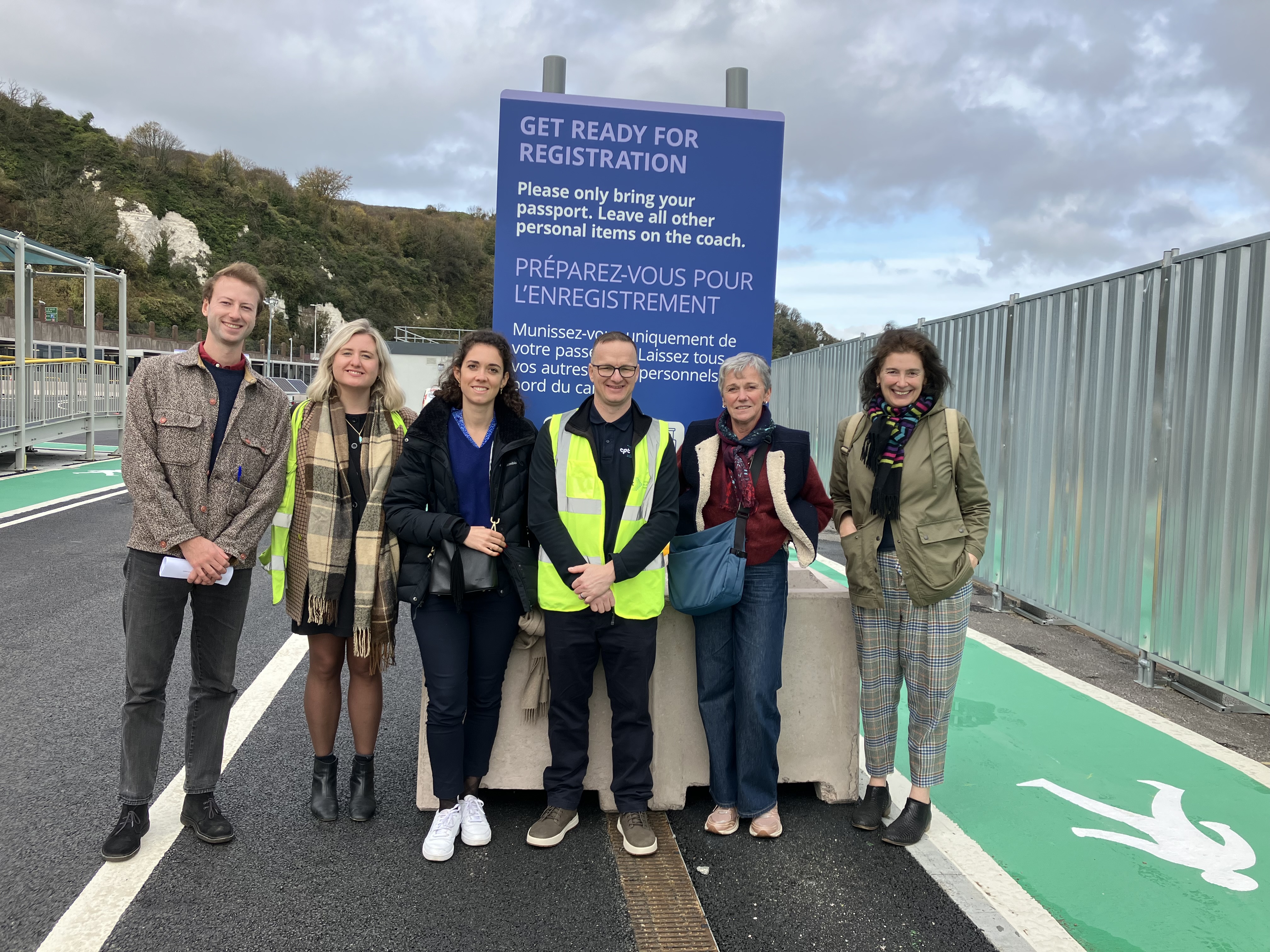
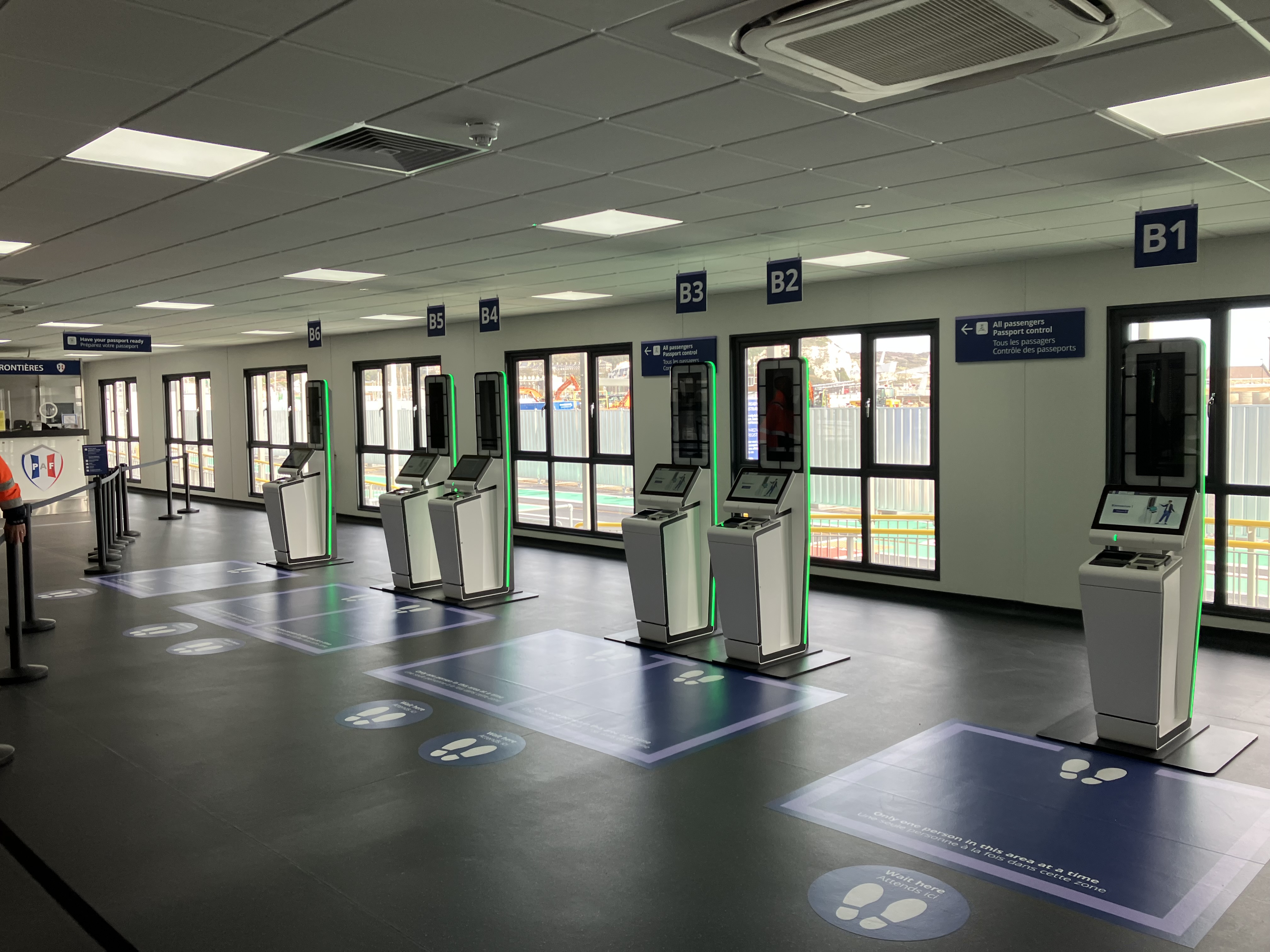
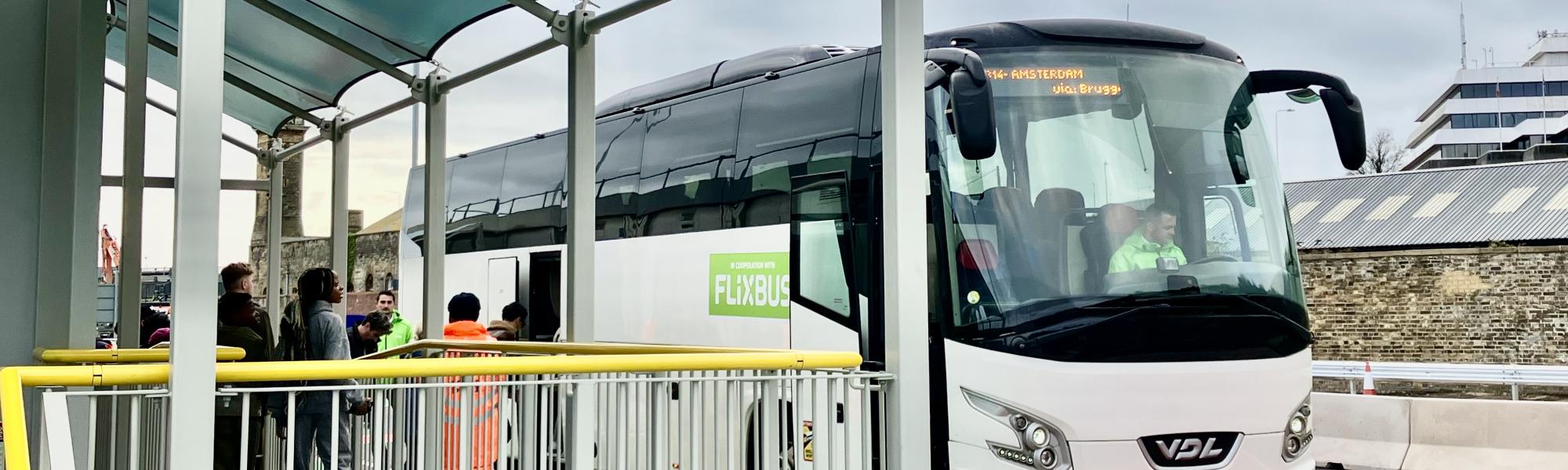
CPT UK’s guidance explains what operators can expect. All coaches now enter the Western Docks facility before reaching the ferry terminal where passengers disembark for identity checks inside the hall before re-boarding. The coach is then sealed and must travel directly to French border controls in the Eastern Docks.
Foot passengers follow a separate shuttle-based flow. Due to limited shuttle capacity, operators travelling with large groups are advised to notify ferry companies in advance.
The guidance also outlines additional points operators need to be aware of:
- Coaches without a booking must complete the full procedure before purchasing a ticket
- Passengers unable to travel must be logged out of EES by French border police to maintain accurate 90/180-day records – some flexibility may apply during the phased rollout
- Accessibility challenges remain due to narrow lanes and the absence of raised kerbs at the coach passenger processing facility
- Even unladen coaches, travelling with only a driver, must follow the same route
The video below offers a clear visual walk-through of the new process at the Port of Dover.