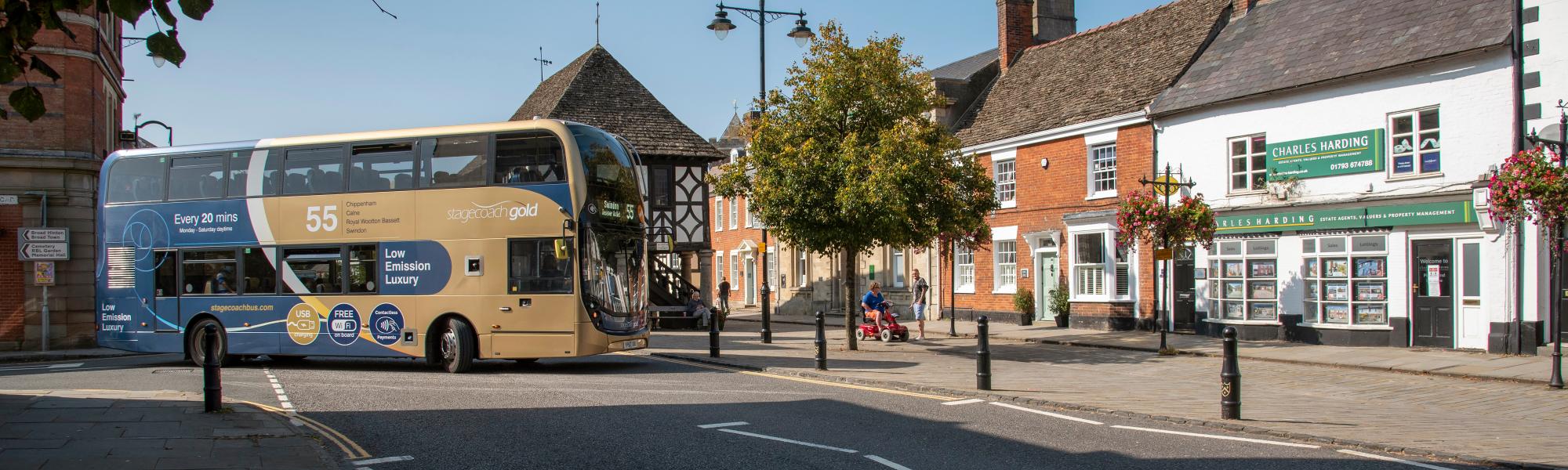
What does it take for a town to welcome coaches? IRU member the Confederation of Passenger Transport (CPT) answers that question through its Coach Friendly scheme. It accredits destinations that invest in coach parking, signage and facilities, and encourages local authorities to plan for coaches.
A coach brings visitors who eat in local cafes, shop and visit attractions. A single coach a day for a year can add around GBP 1 million to a local economy, according to research carried out for CPT.
Yet many destinations overlook the basics.
CPT’s Coach Friendly accreditation scheme rewards those that get them right. Local authorities must show good coach parking with clear signage, facilities for drivers and passengers, and safe, convenient pick-up and drop-off points. They must also name a local contact for coach operators and make sure policies, such as access to bus lanes, include coaches.
“Towns and cities, too often, take visitors for granted and neglect to invest in even basic facilities for coaches,” said Andy Shaw, Coach Manager at CPT.
“The Coach Friendly scheme is about creating destinations that are accessible, inclusive and economically resilient,” he added.
Tangible results
Since 2003, more than 45 towns, cities and visitor attractions across England, Scotland and Wales have been accredited.
Examples include Inverness, which introduced a Coach Ambassador programme and dedicated arrangements for arriving coaches, and Bury Market in the north of England, which offers dedicated drop-off and pick-up facilities, free coach parking and incentives for drivers. The results are measurable.
“In Inverness, annual coach arrivals rose from just over 1,500 in 2015 to over 3,800 in 2023, an increase of around 153%. The local economic contribution of coach visitors is estimated at GBP 8–10 million a year,” said Andy Shaw. “In Bury, coach visits rose by 40% between 2016 and 2022, when its accreditation was renewed, and reached 1,235 in 2025.”
“There is a growing body of evidence that being coach friendly delivers benefits. It is a great example of what can be achieved when operators and local authorities work together,” he added.
The scheme has also gained political recognition. In April, the UK government asked local authorities to plan for coaches in their transport strategies, citing Coach Friendly accreditation as a good benchmark.
Rolling forward
CPT is now building on this momentum.
It is joining forces with the UK Coach Operators Association to create Coach UK, a new body run by coach operators for coach operators. It aims to raise the profile of the sector, strengthen the operator community, and campaign to make Britain more coach friendly.
The experience shows that coach tourism grows where destinations plan for it. Parking, signage, named contacts and inclusive access rules cost little compared with the visitor spending they attract. Giving coaches a stronger place in the forthcoming European Union Sustainable Tourism Strategy would encourage more European destinations to do the same.