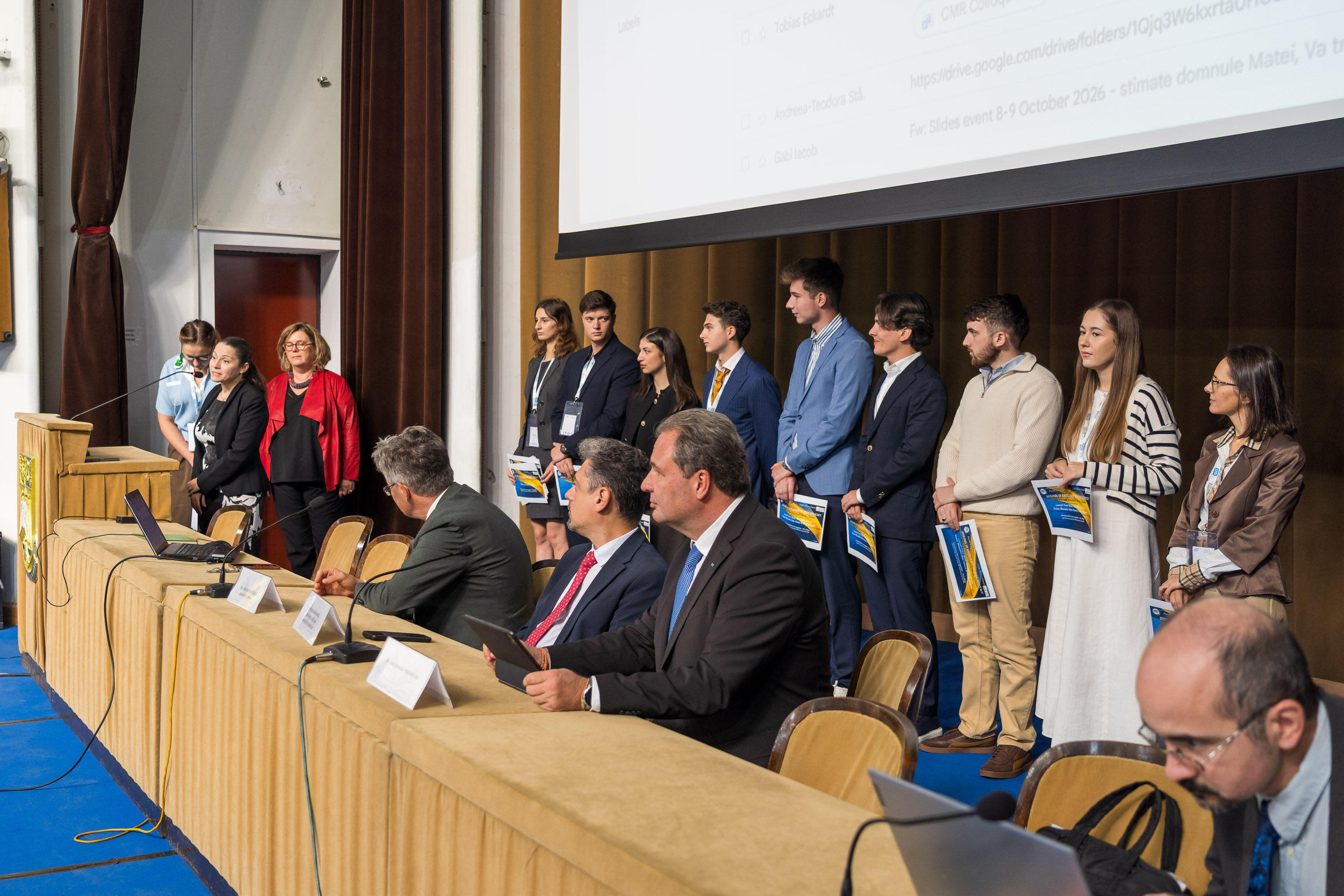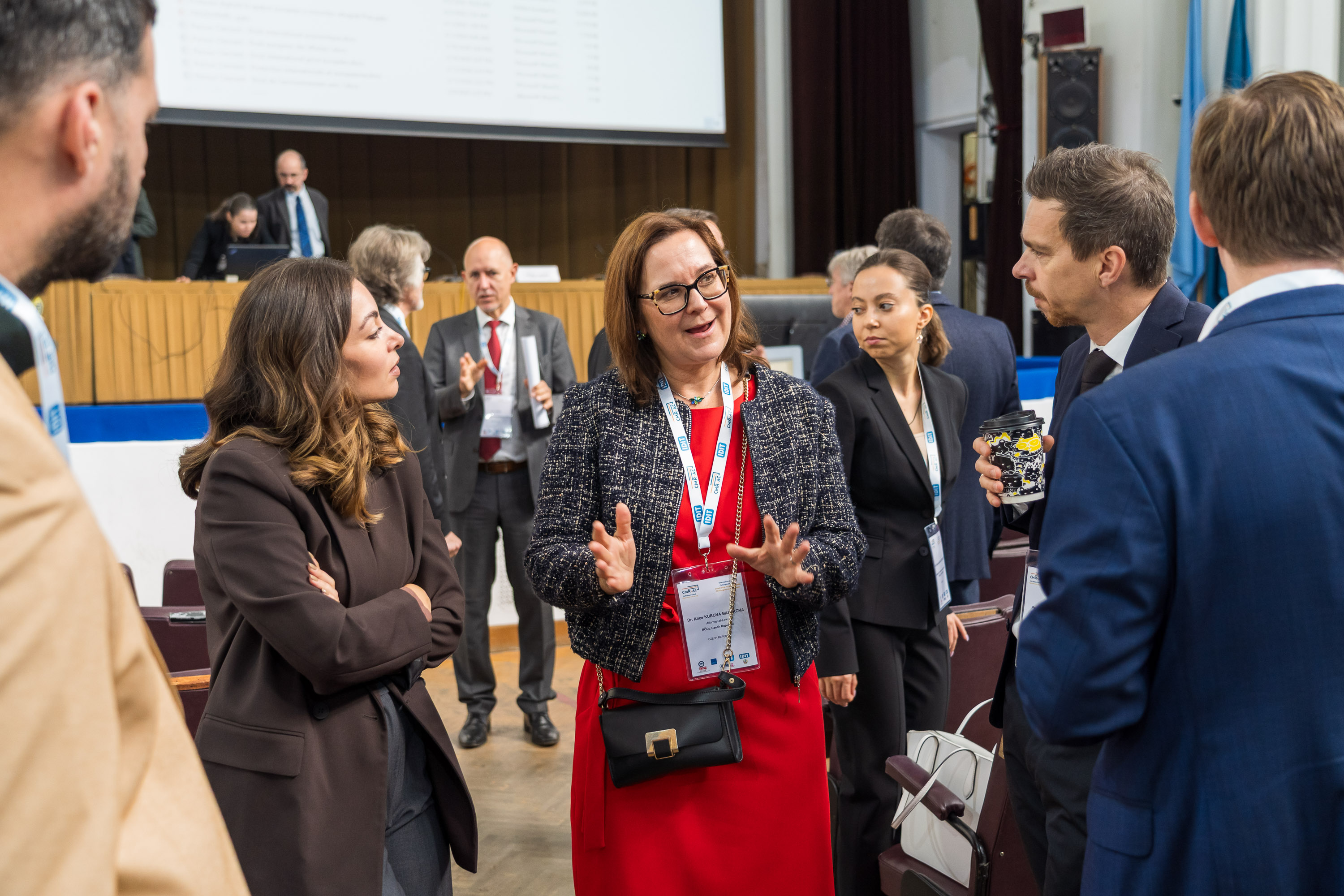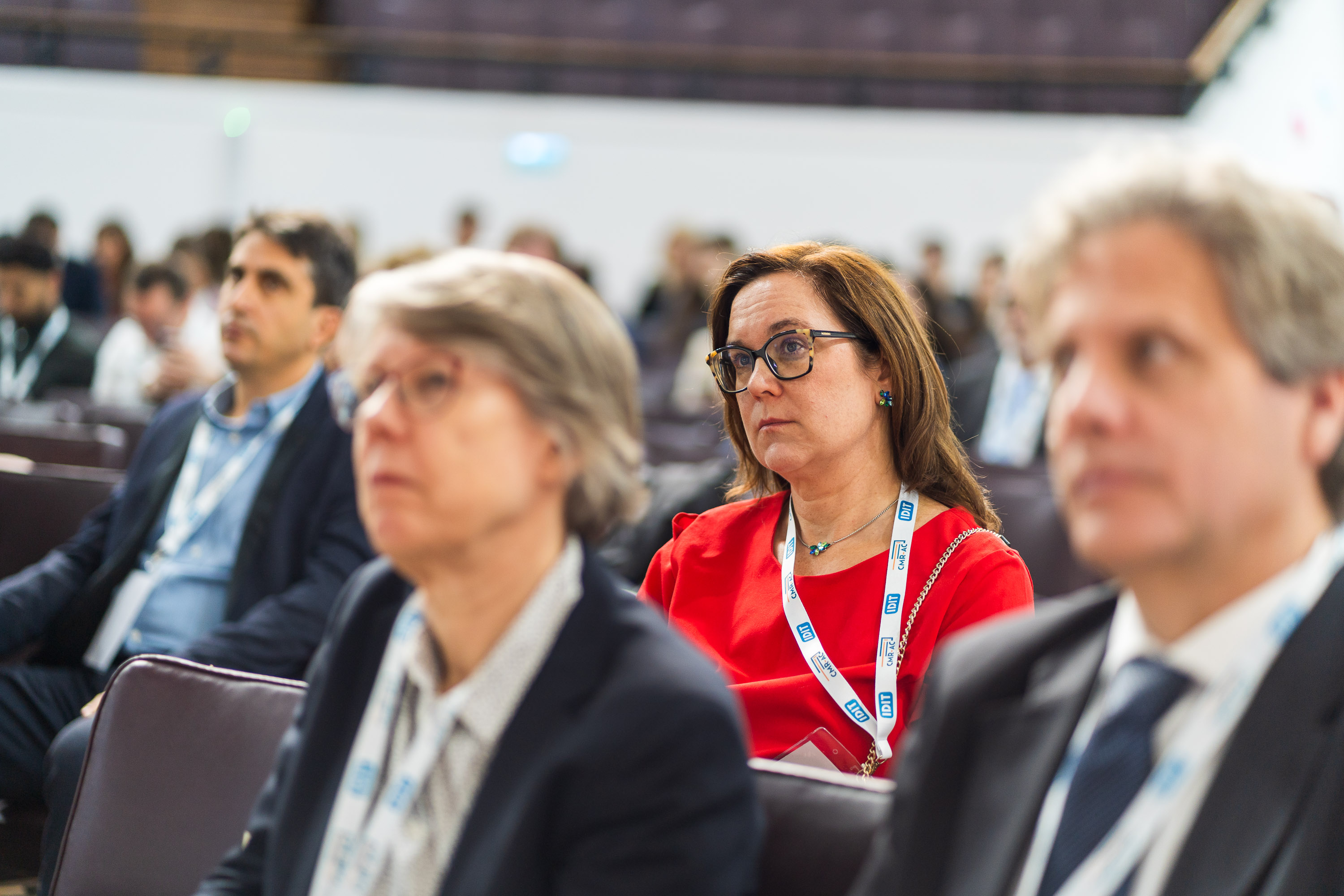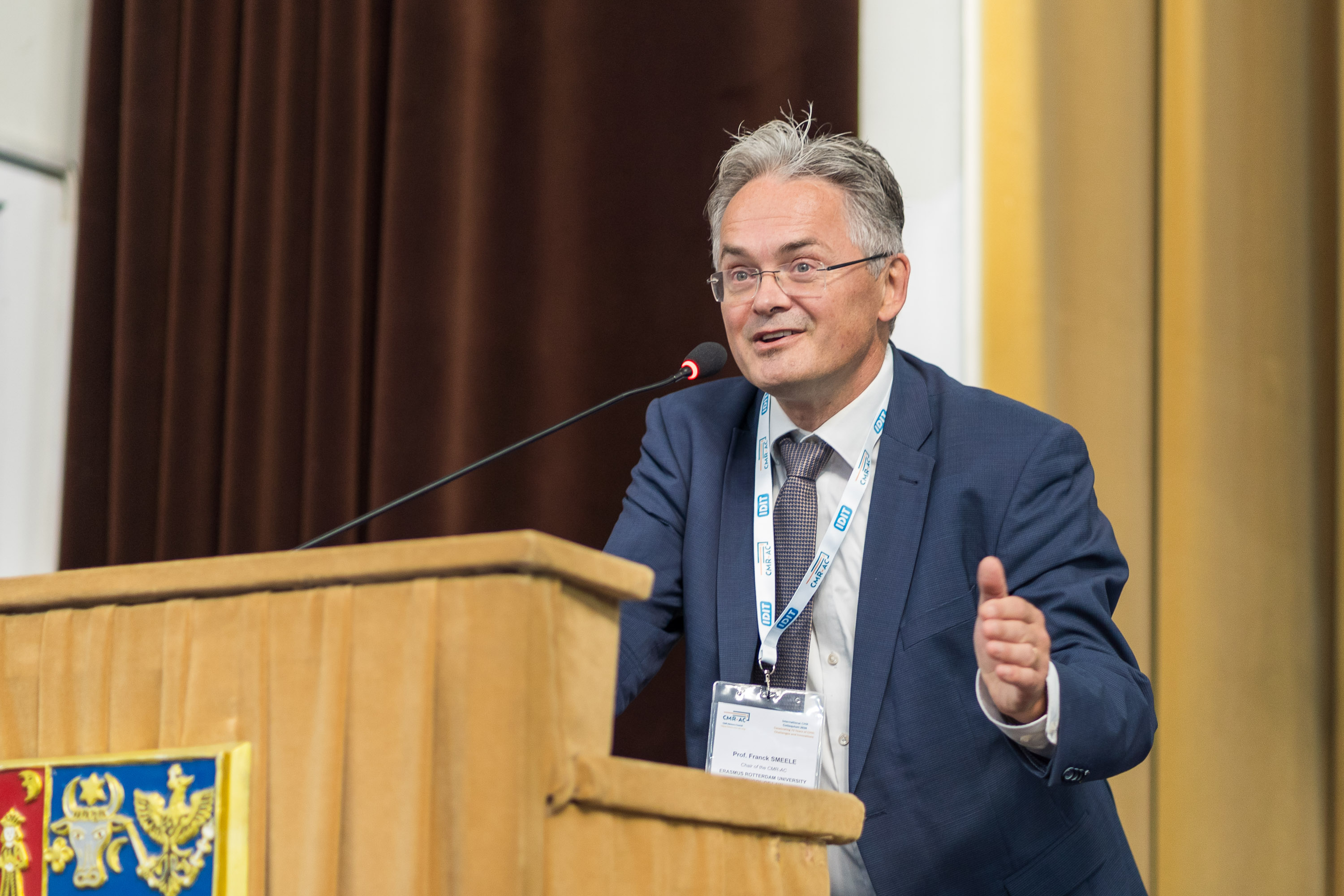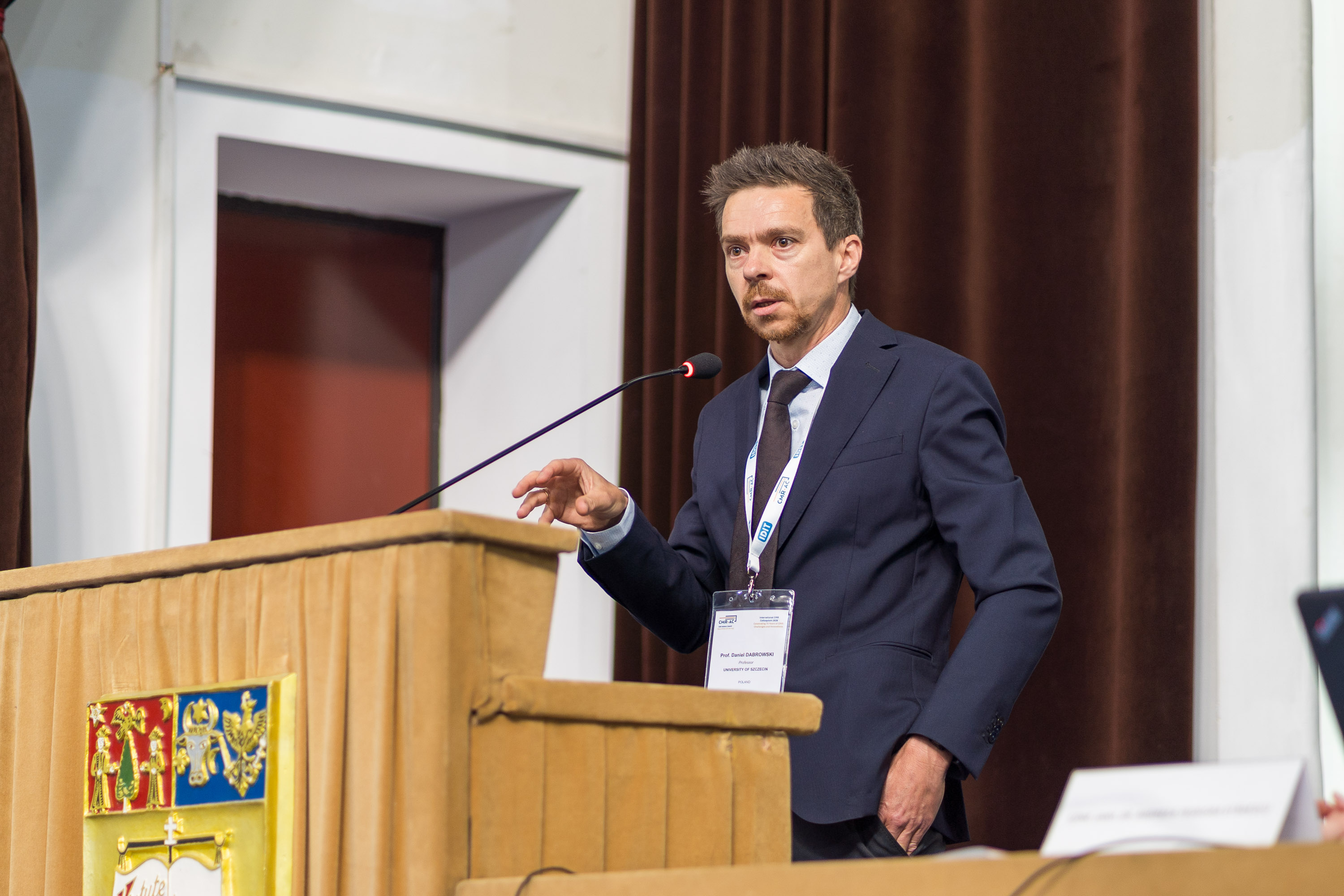
Legal experts, academics and transport practitioners gathered in Bucharest to mark 70 years of the CMR Convention and discuss how it can remain fit for the digital era. IRU President Radu Dinescu placed SMEs at the centre of the digital transition, calling for simple and cost-efficient solutions.
The International CMR Colloquium, hosted by the University of Bucharest and the CMR Advisory Council, supported by IRU and UNTRR, examined how CMR is applied today and how it must evolve.
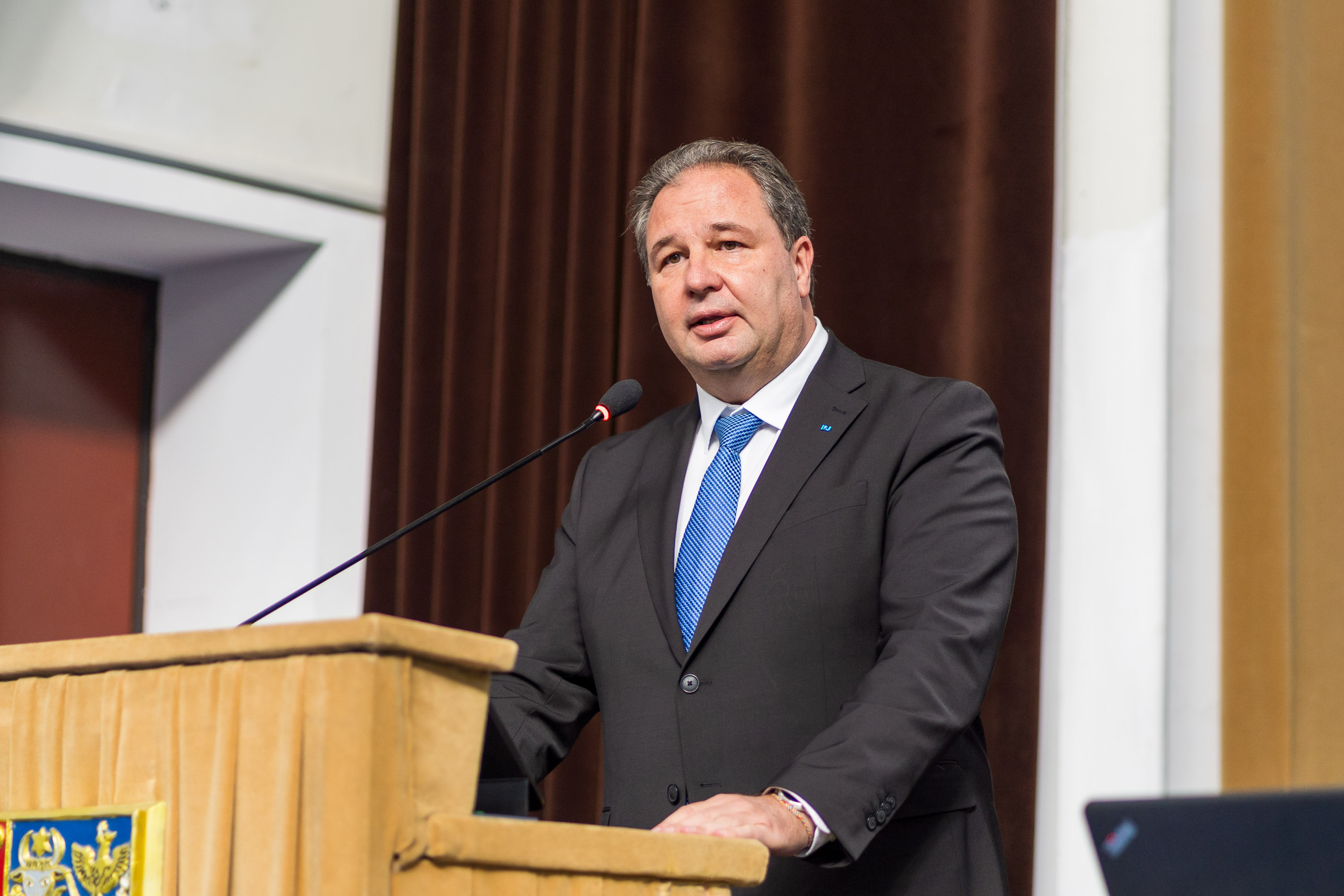
Particular attention was given to developments in Eastern Europe and the growing importance of digitalisation. IRU President Radu Dinescu opened the event alongside leading legal experts.
“CMR is a convention that our operators and their customers rely on every single day,” he said. “This is a clear sign that the convention works.”
70 years of legal certainty
Governments agreed the CMR Convention in Geneva in 1956.
Before then, international road freight faced a patchwork of national rules. Different legal systems governed carriers, shippers and consignees along the same journey.
CMR changed that.
It created a common framework covering contracts, consignment notes, liability, claims and jurisdiction. Today, 58 countries across Europe, North Africa, the Middle East and Asia are contracting parties.
That certainty remains one of CMR’s greatest strengths.
“It allows an operator to transport a load across several borders,” said Radu Dinescu. “And customers can trust that responsibility is clear if something goes wrong.”
Around 280 million international transport operations use CMR every year.
But keeping the convention relevant also requires consistent interpretation.
The Bucharest discussions looked at case law from several countries, including Romania, Bulgaria, Montenegro, Moldova and the Czech Republic.
“A convention only stays alive if the legal interpretation is consistent,” said Radu Dinescu. “This is why this colloquium matters.”