Choose your language

From chemical plants to borders: IRU and GPCA put safety first
United Arab Emirates | Dubai

From chemical plants to borders: IRU and GPCA put safety first

23 Nov 2026 · Prosperity

Safe chemical transport needs more than regulations. Professional training, internationally harmonised standards and optimised borders make dangerous goods transport safer, more efficient and sustainable.

IRU joined chemical industry leaders at the 20th Annual Gulf Petrochemicals and Chemicals Association (GPCA) Forum in Dubai to advance cooperation on dangerous goods transport.

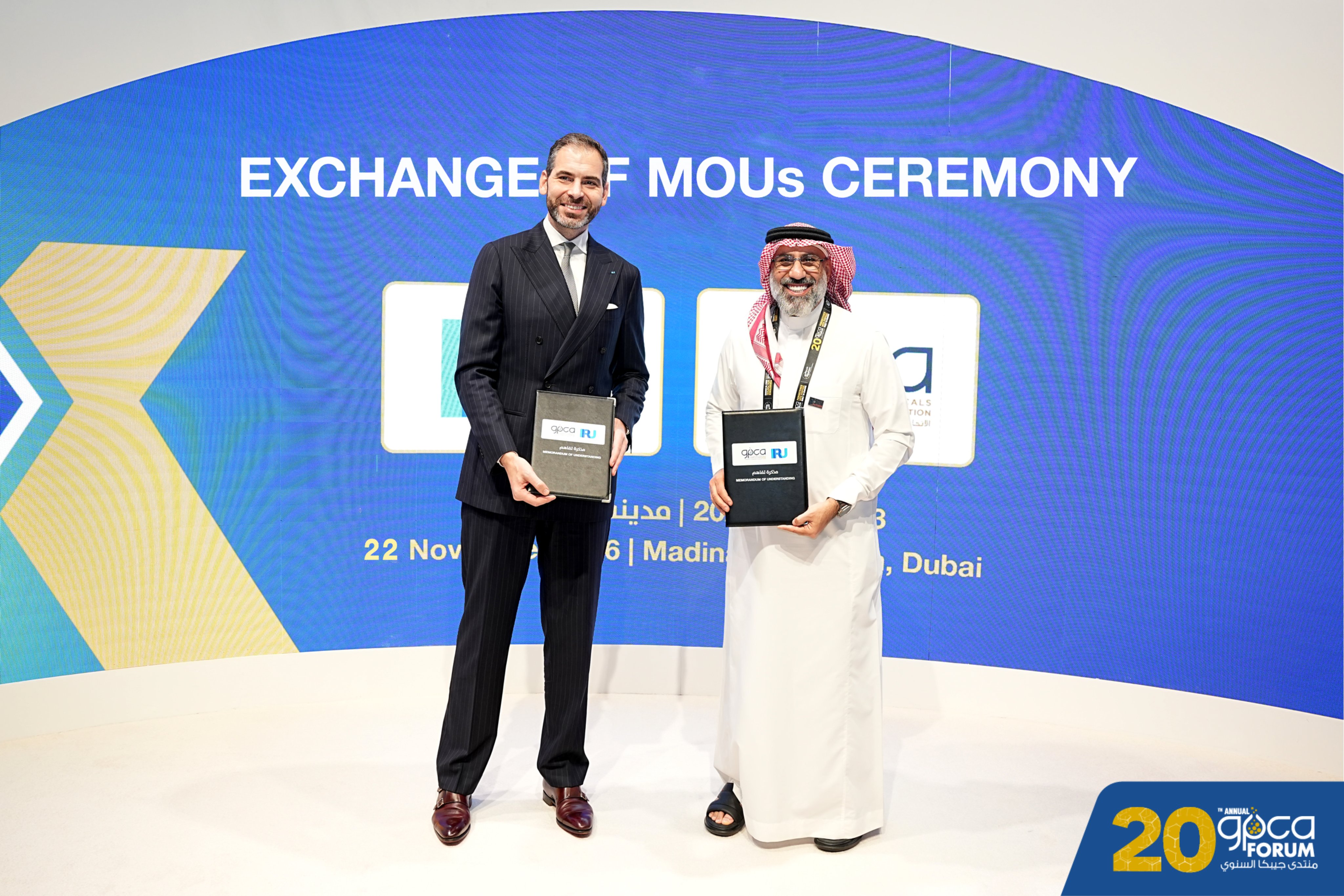
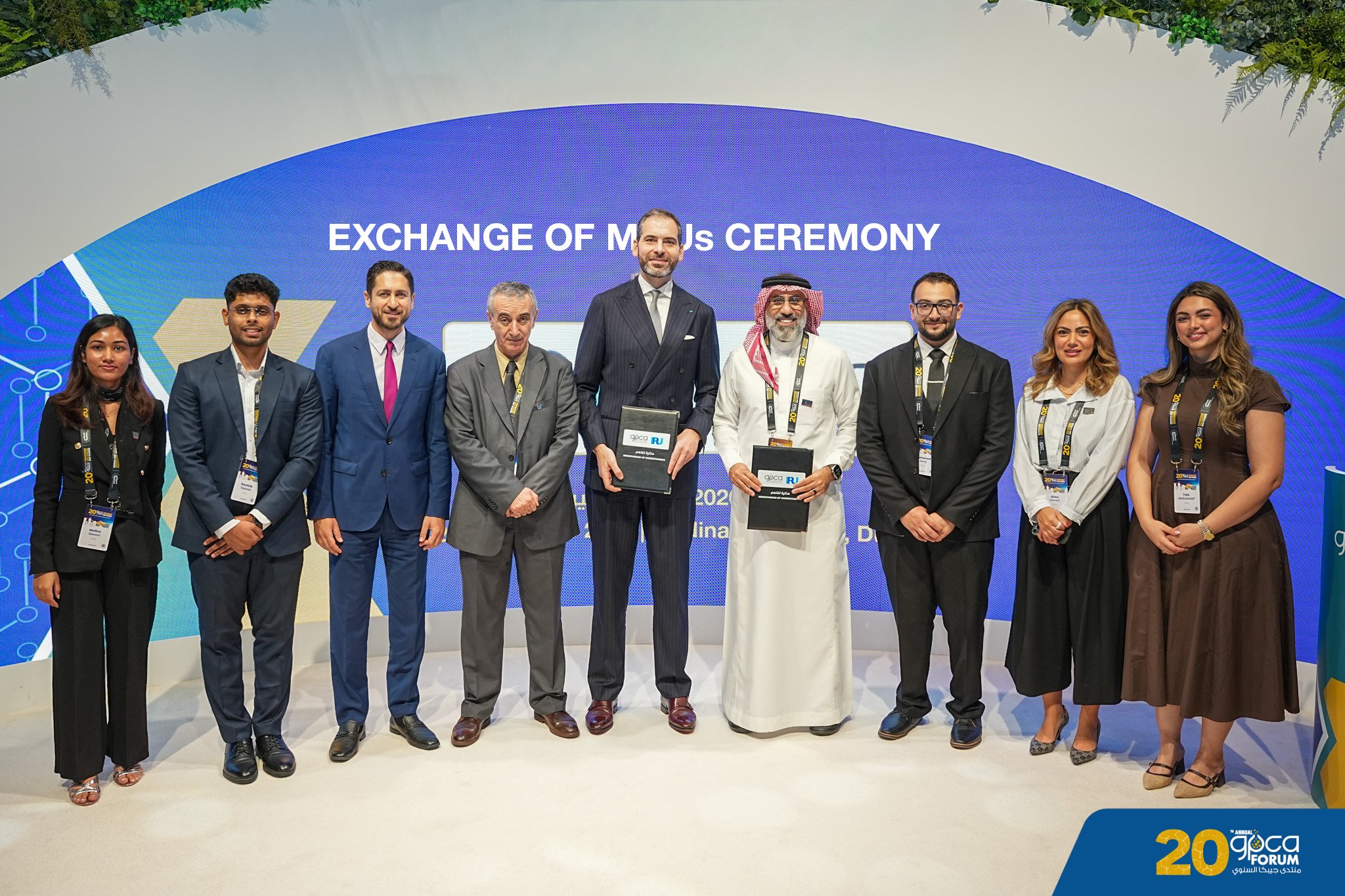
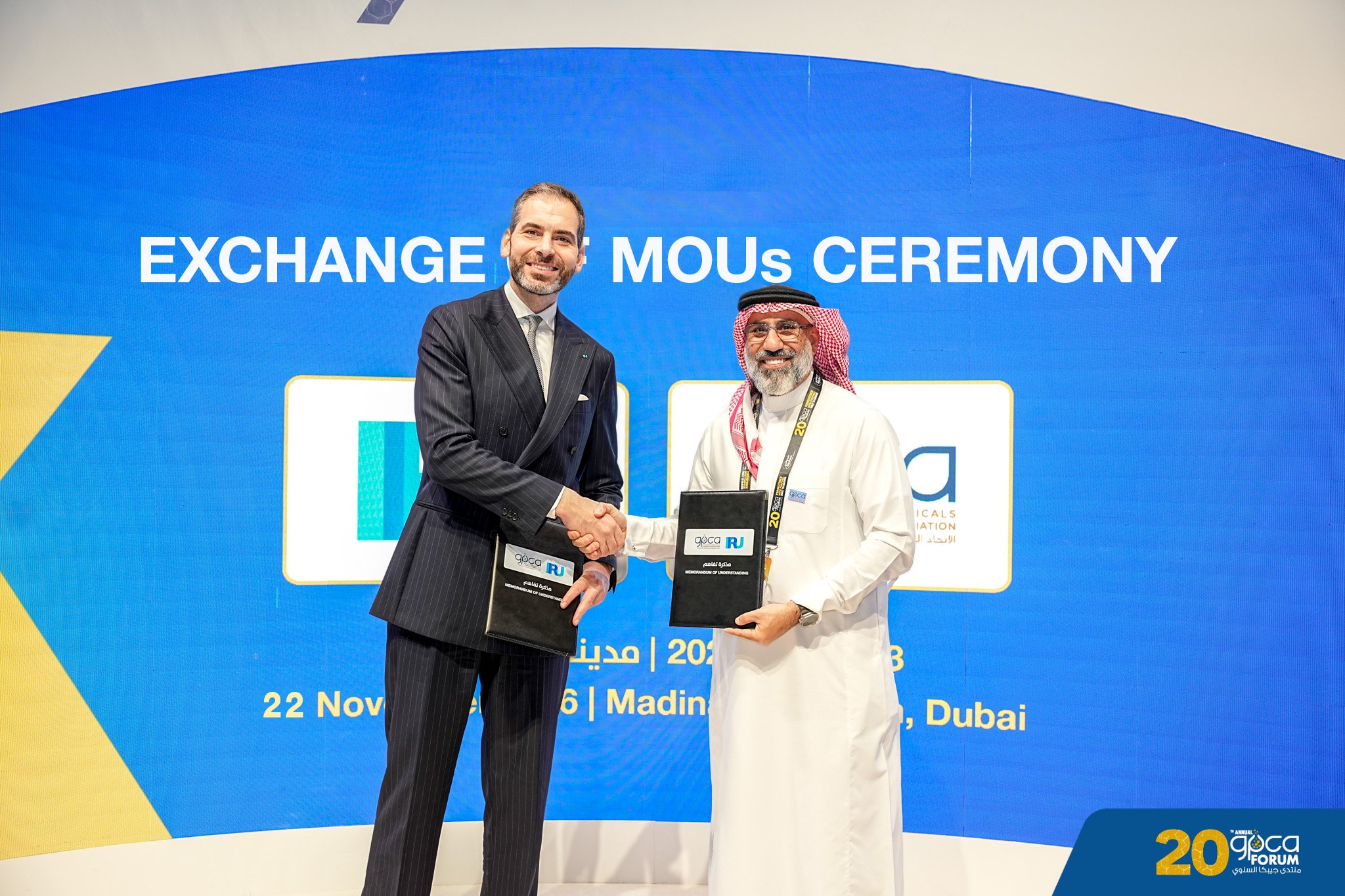
The event provided an opportunity for IRU and GPCA to reaffirm their partnership, established through an MoU signed earlier this year.

A ceremony at the forum marked the agreement, which brings together IRU's global road transport expertise and GPCA's extensive network of chemical and petrochemical producers.

The partnership focuses on three priorities: professional training and capacity building, more sustainable transport operations, and streamlined cross-border procedures through international standards and digital tools.
From chemical plants to borders: IRU and GPCA put safety first

Harmonised standards, safer operations

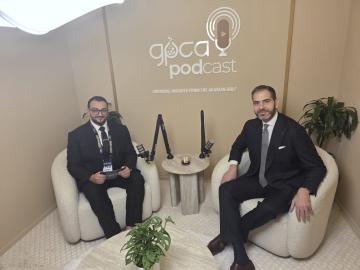
In a podcast discussion with GPCA, IRU Secretary General Habib Turki explored how the partnership can deliver practical benefits for the chemical industry.

A central message was the importance of harmonised international standards and their consistent implementation on the road and at borders.

podcast

The UN Agreement concerning the International Carriage of Dangerous Goods by Road (ADR) provides a common framework for the safe transport of dangerous goods, covering everything from packaging and documentation to vehicle requirements and driver training.

But common rules alone are not enough.

Drivers, transport operators, inspectors and customs authorities also need the skills and tools to apply them consistently.

Through its network of more than 50 accredited training institutes, the IRU Academy supports professional training in dangerous goods transport.

Smoother borders, greener transport

Beyond safety transport standards, efficient cross-border procedures are essential for the chemical industry.

Even when dangerous goods meet international safety requirements, customs formalities and border delays can disrupt supply chains, increase costs and create additional risks.

This is where international tools such as TIR and eTIR complement ADR, simplifying and digitalising customs transit to make cross-border operations faster, more predictable and secure.

Greater efficiency also brings sustainability benefits. Shorter border waiting times and less idling and eco-driving can reduce fuel consumption and emissions while improving operational safety.

By combining harmonised safety standards, professional training and more efficient border procedures, the IRU–GPCA partnership aims to make chemical transport safer, more efficient and more sustainable.