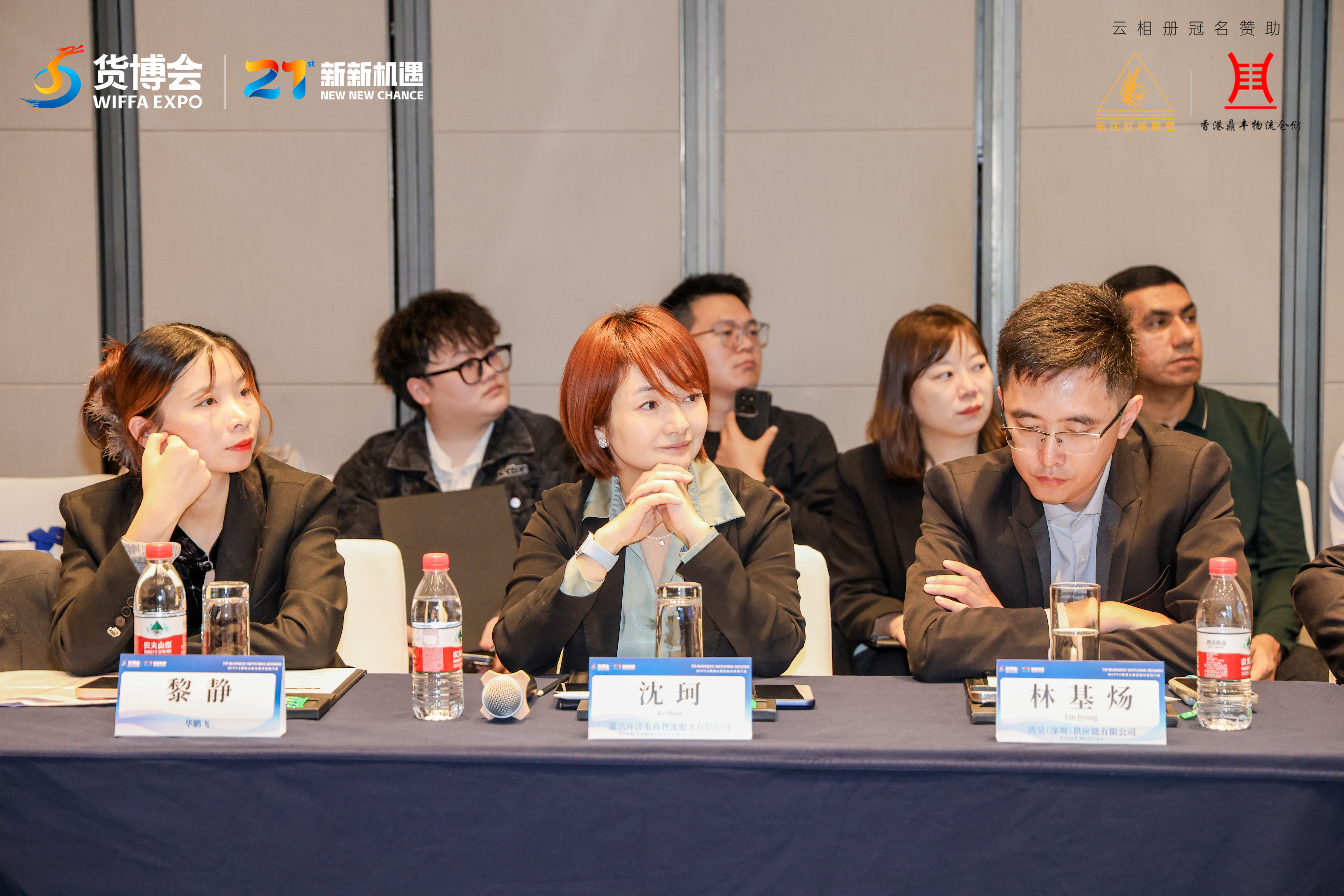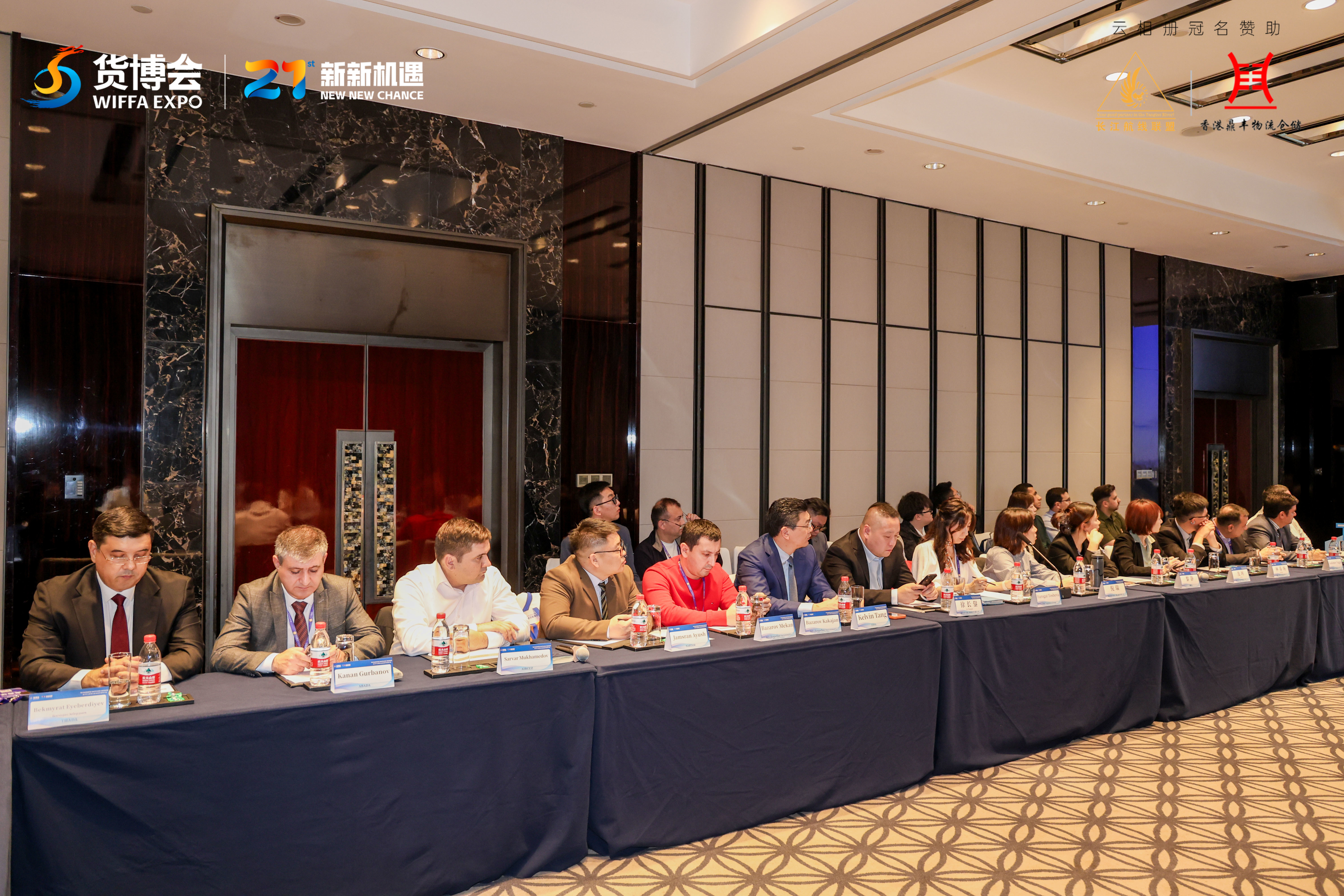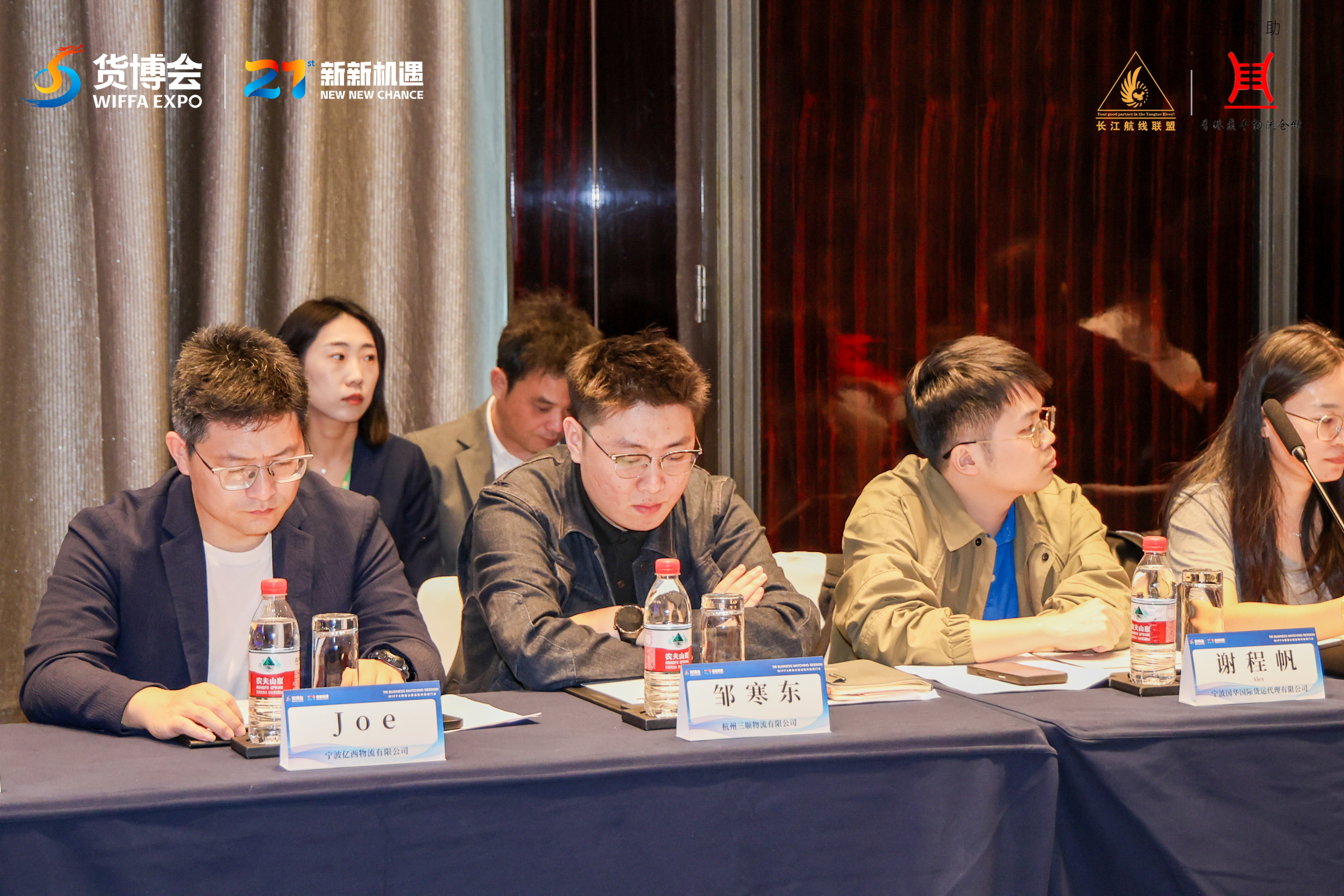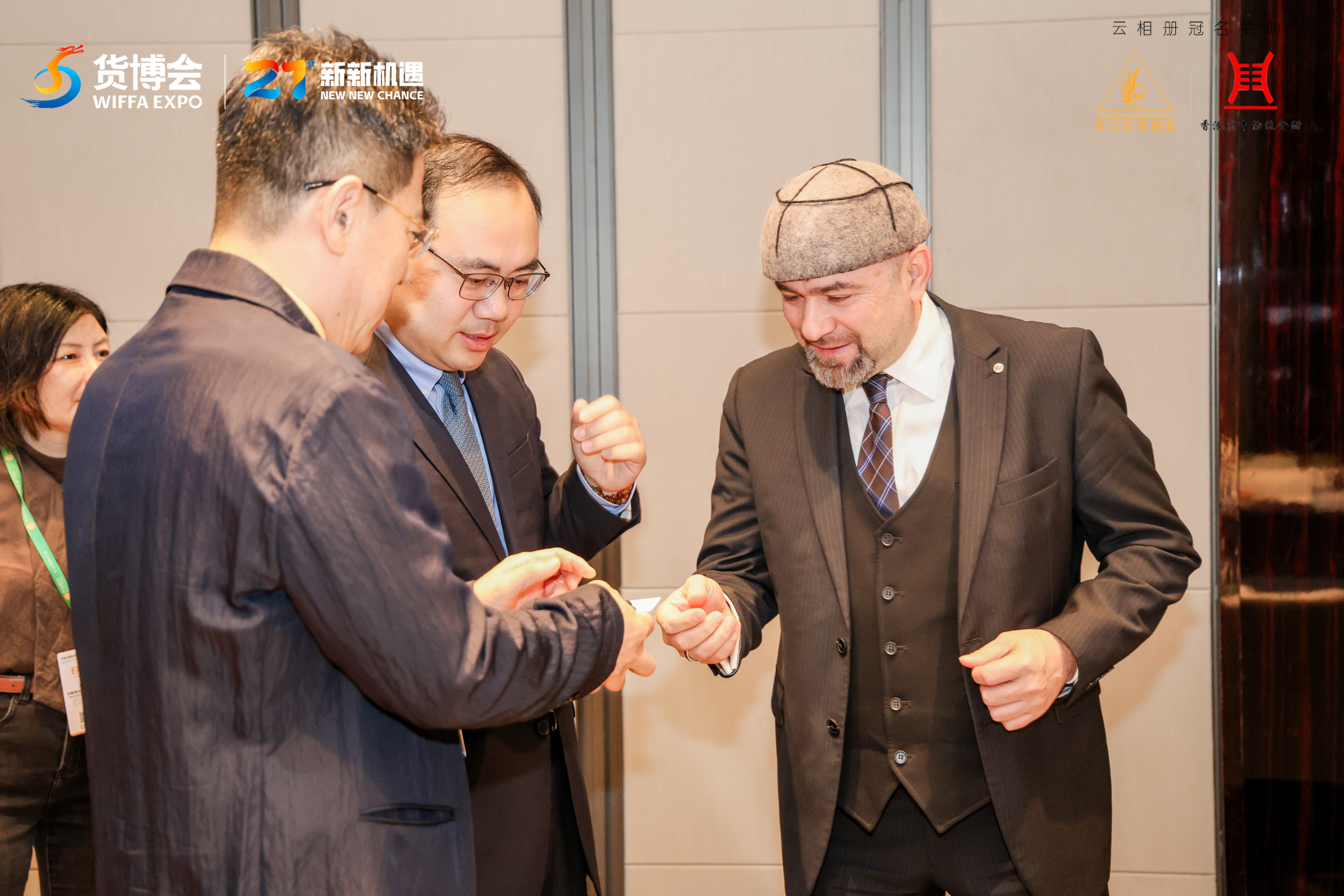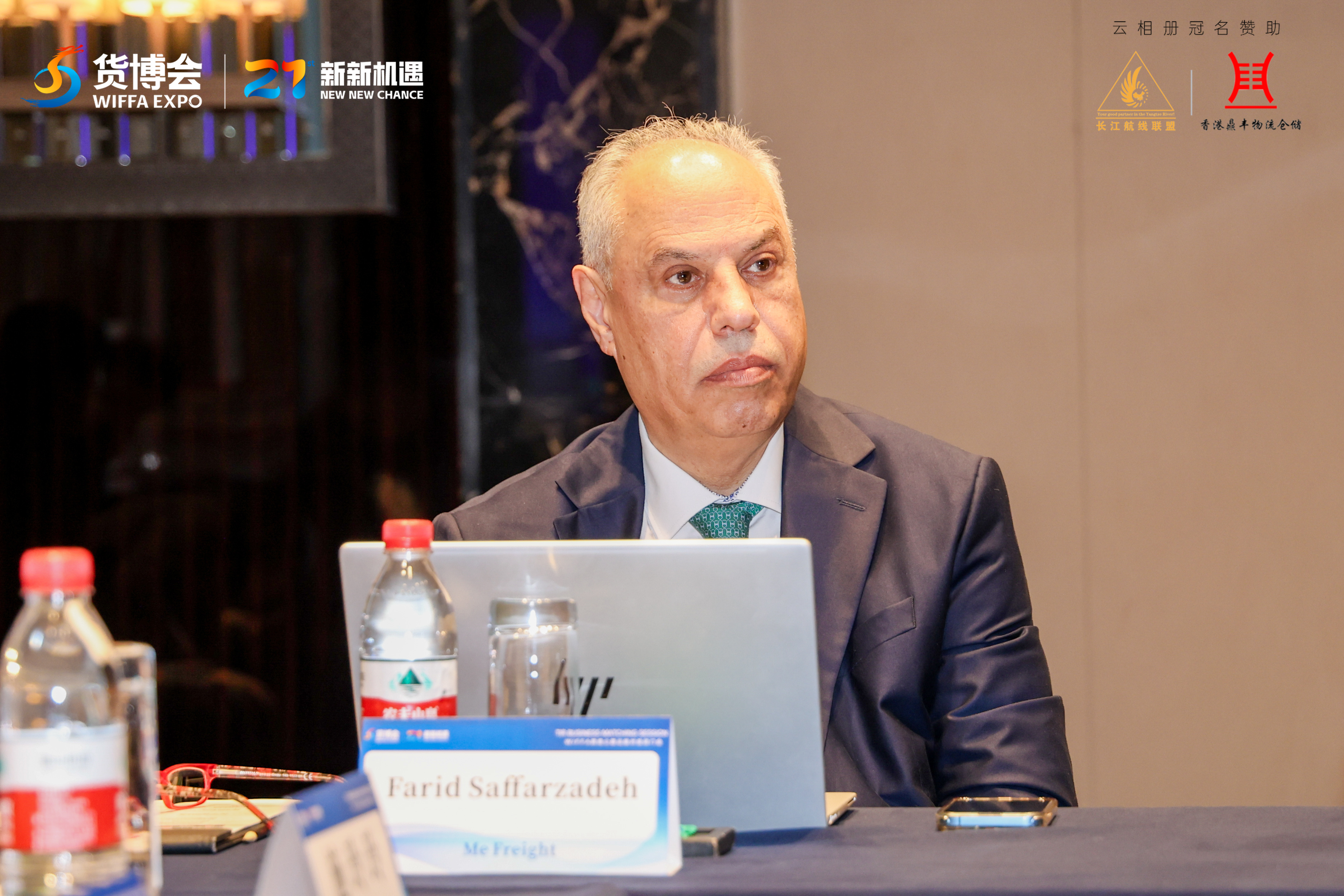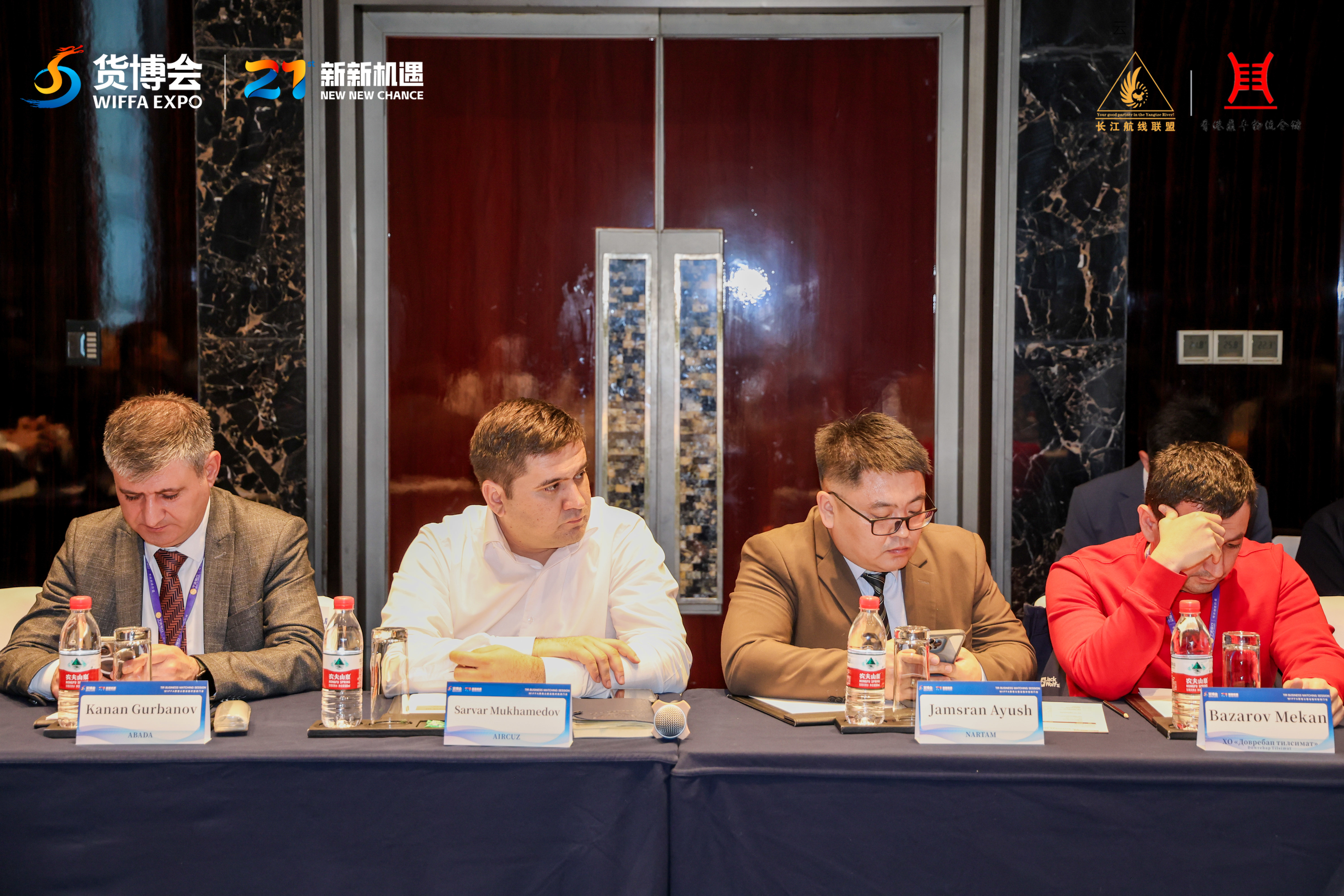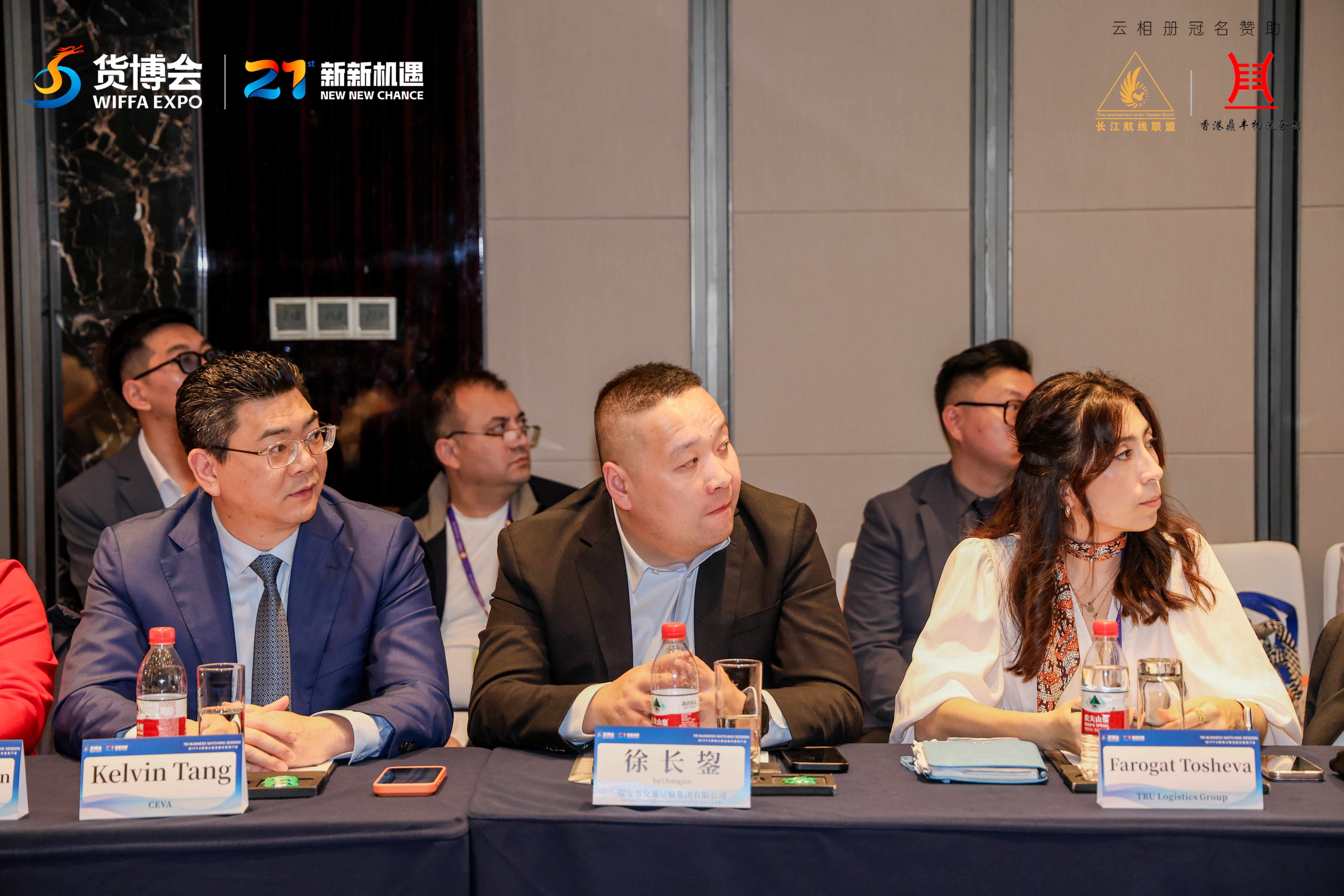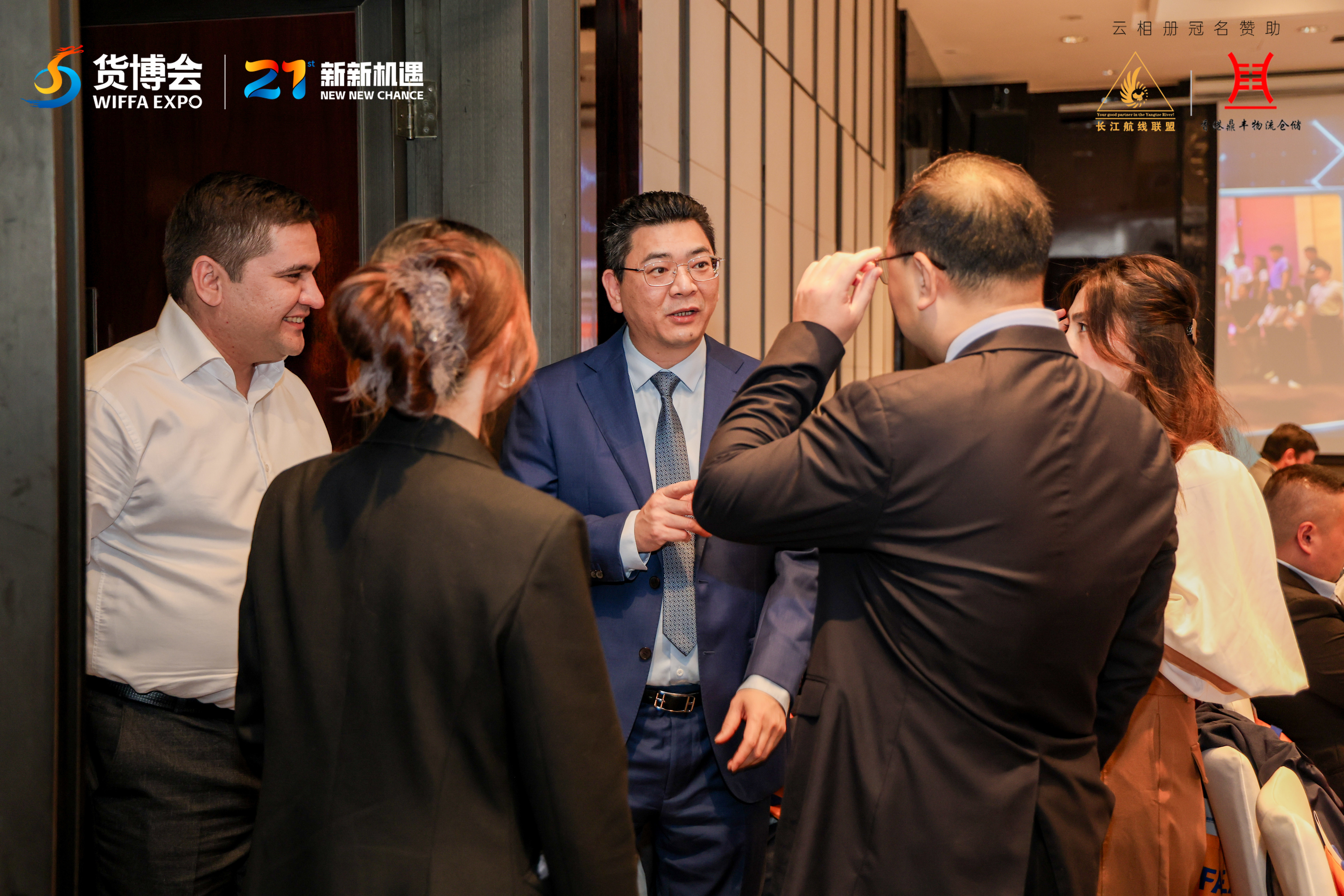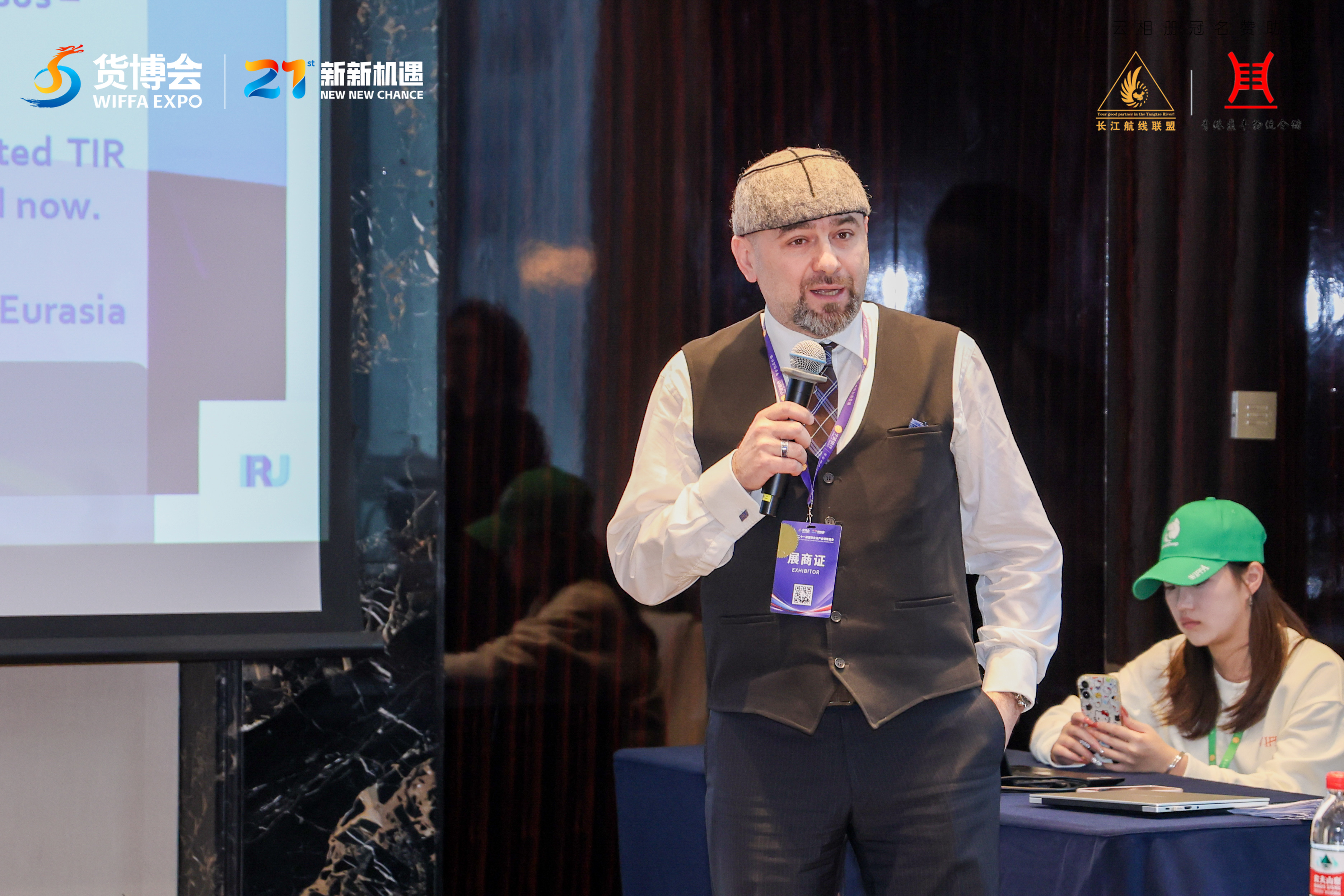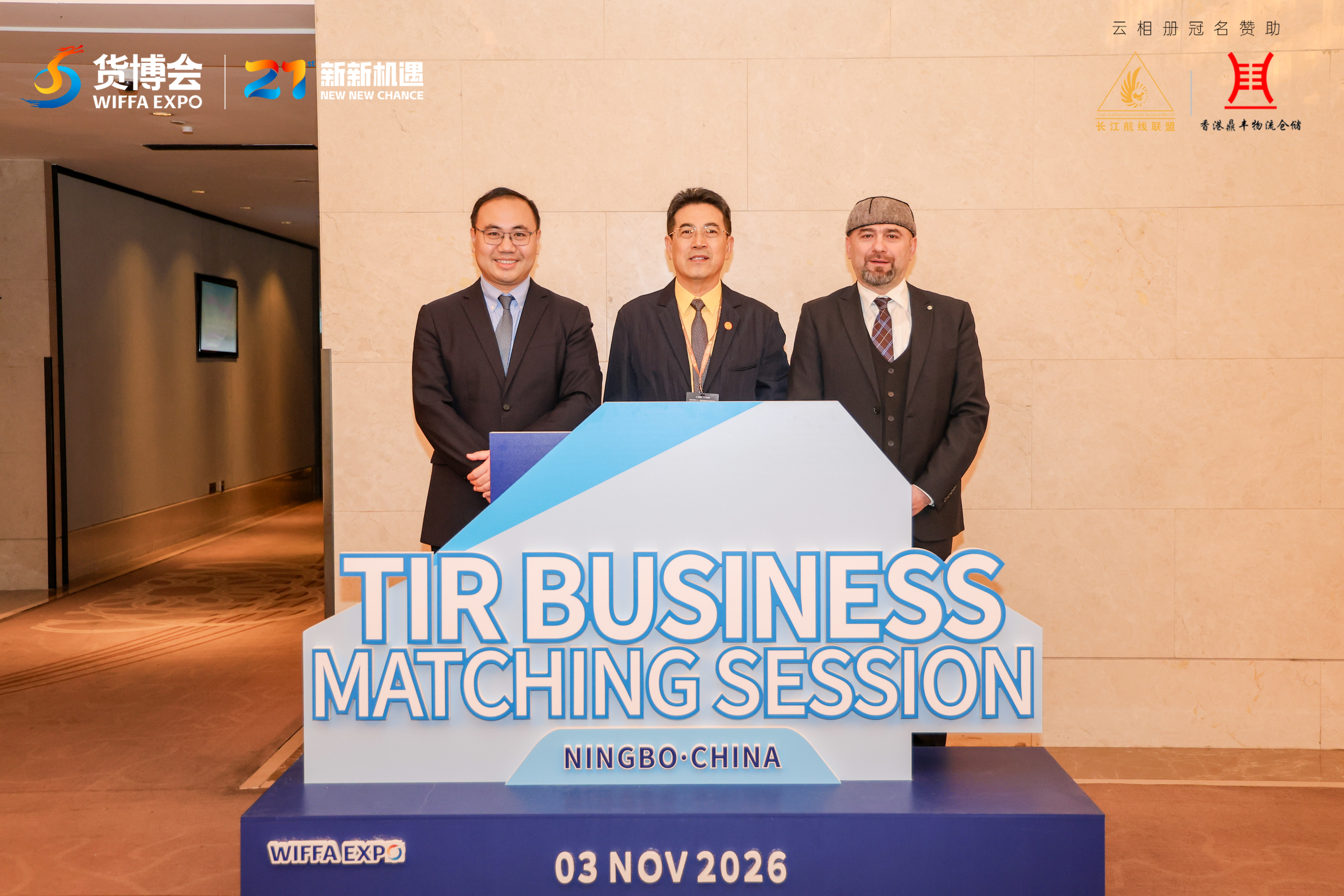
Road transport associations, logistics companies and freight forwarders from across Eurasia came together in Ningbo, China, to explore new TIR business opportunities and tackle challenges along international transport corridors.
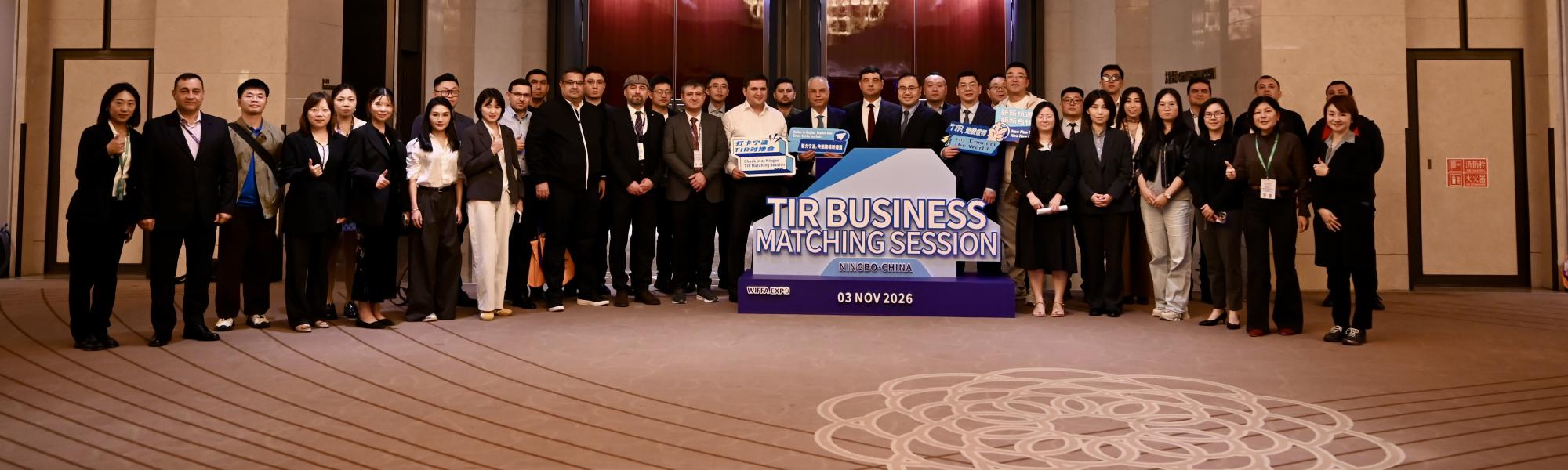
Organised by WIFFA, a major international freight forwarding credit cooperation platform in China, with IRU's support, the closed-door TIR business matching session brought together around 50 participants from across the supply chain. Discussions focused on strengthening transport links between China, Central Asia and Europe.
Connecting businesses
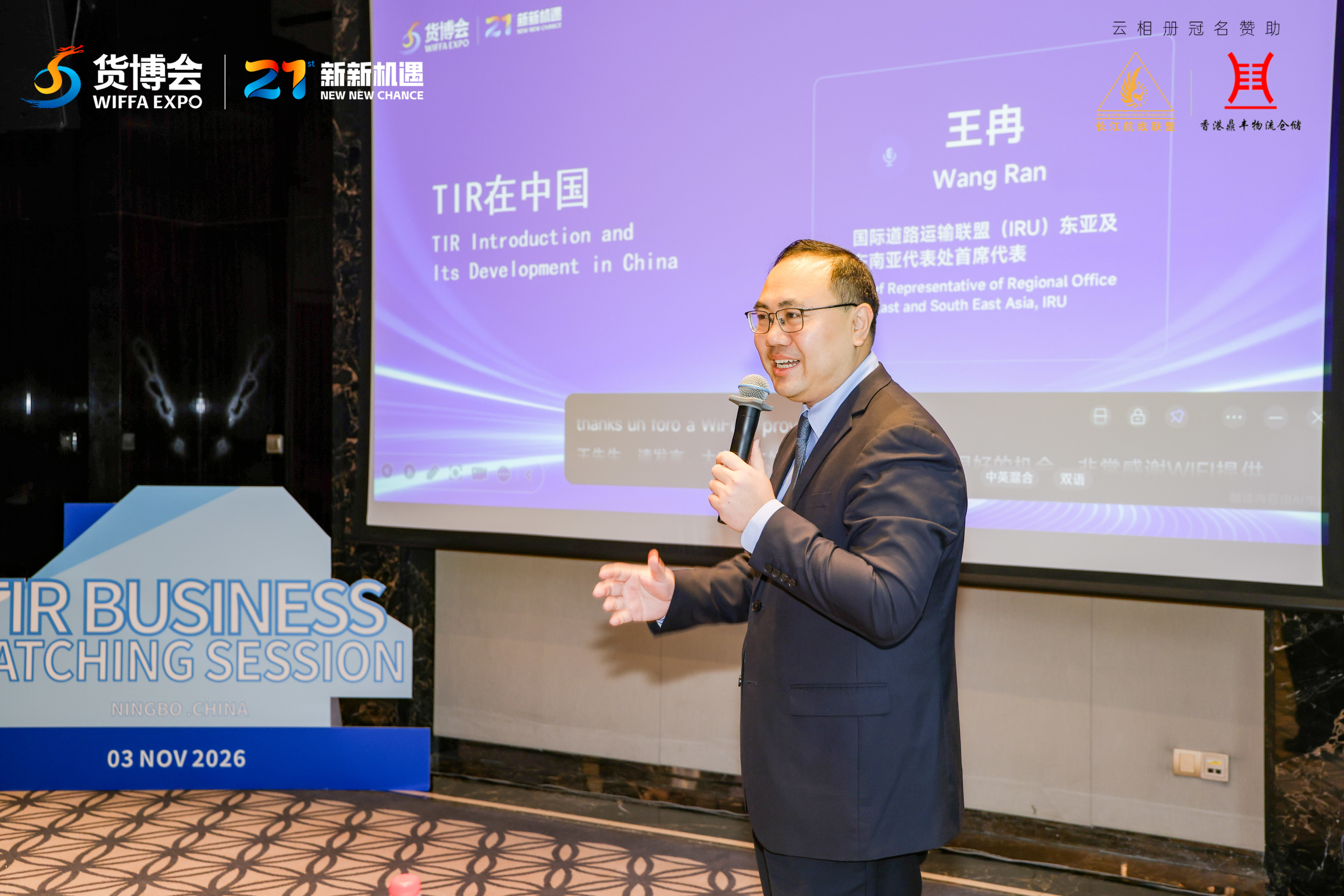
IRU Chief Representative for East and Southeast Asia Ran Wang opened the technical discussions with an overview of TIR in China.
More than 3,800 Chinese trucks now operate under TIR, an increase of over 1,500% in two years. TIR operations to and from China rose by 144% in 2025 and are expected to exceed 6,000 in 2026. Over 60 border crossings and inland cities in China now handle TIR operations, with more than 140 cross-border routes connecting the country to more than 30 countries across Eurasia.
IRU Senior Adviser for TIR and Transit Vakhtang Zarandia then presented progress on eTIR.
Earlier this year, eTIR operations ran across the Caspian Sea between three countries for the first time: Azerbaijan, Turkmenistan and Uzbekistan. The operations were run using UNECE’s eTIR National Application
“UNECE’s eTIR National Applications offers customs administrations a quick and efficient way to implement eTIR procedures,” said Vakhtang Zarandia. “This enables countries to benefit from eTIR while progressively developing full integration with their national customs systems.”
Representatives from road transport associations in Azerbaijan, Turkmenistan and Uzbekistan, alongside companies from Turkmenistan, China and other markets, shared their experiences.
IRU corporate members, including CEVA Logistics, HPF, TRU Logistics Group and SPSI, also joined the discussions. They were complemented by freight forwarding representatives, including from FIATA and WIFFA.
Participants explored opportunities to match cargo demand with transport capacity and develop new business partnerships.
They also examined practical challenges affecting international transport, including border congestion, customs clearance difficulties and differences in national regulations.
Other topics included end-to-end transport without transshipment, cross-border freight insurance and opportunities to improve customs efficiency through TIR and eTIR.
Stronger cooperation, smoother transport
The discussions highlighted the importance of closer cooperation across the supply chain.
Participants agreed on the need to strengthen connections between road transport operators, freight forwarders, cargo owners and other stakeholders, to speak with one voice in advancing the road transport sector.
“By working more closely together, we can better address operational challenges, improve transport efficiency and unlock new opportunities along Eurasian corridors,” said Ran Wang.
The event forms part of IRU's broader efforts to integrate TIR into China's logistics and supply chains, connecting transport operators with freight forwarders, traders and cargo owners.