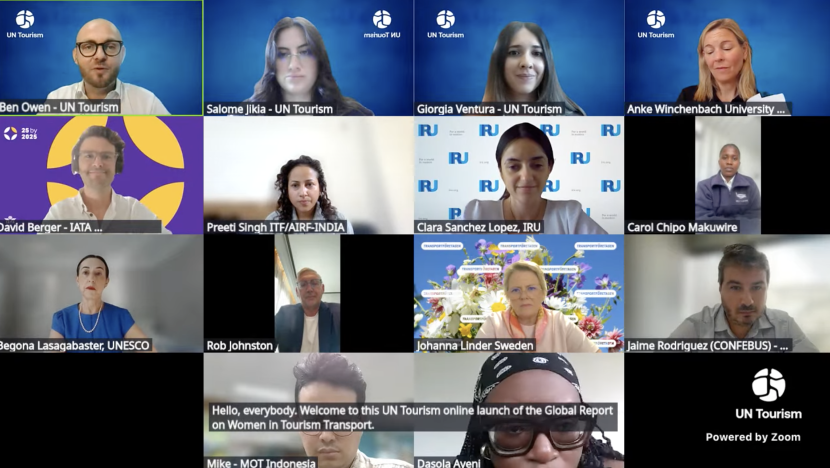
“The road passenger transport sector cannot address its workforce challenges without opening more opportunities for women,” said Clara Sánchez López. “Tourism depends on buses and coaches, but the industry must become more inclusive if it is to attract and retain the talent it needs.”
Not designed for women
Many parts of the road transport industry were developed around a predominantly male workforce. This continues to affect working conditions and recruitment.
Barriers include inadequate facilities and roadside infrastructure, inflexible working arrangements, and cultural stereotypes. These factors can discourage women – as well as men – from entering the profession or remaining in it.
Addressing these obstacles would benefit the entire workforce.
“Improving conditions for women raises standards for everyone,” said Clara Sánchez López. “Better facilities, safer workplaces and more flexible employment practices make the sector more attractive to all current and future transport professionals.”
Pathways for change
IRU presented two practical pathways to increase women’s participation in the road passenger transport sector.
The first is to support employers in attracting, recruiting and retaining more women workers. The IRU Charter for Women in Road Transport provides a framework for this challenge. It sets out a wide range of practical measures that companies can use to create more inclusive workplaces and increase female participation.
The second is to improve the image of the road transport profession.
Tourism can play an important role in this area. Its strong public profile and direct engagement with travellers can help present road passenger transport as a modern, skilled and people-focused sector offering meaningful career opportunities.
“Tourism has the reach and visibility to help change how road transport careers are perceived,” said Clara Sánchez López. “By working together, the tourism and transport sectors can challenge outdated stereotypes and show women that there is a place for them in this industry.”
The launch of the global study marks an important step in bringing greater attention to gender equality of opportunity across tourism transport.
IRU will continue working with employers, public authorities and international partners to improve working conditions, promote inclusive recruitment and support more women in building lasting careers in road transport.