BUS2BUS 2026 confirms its role as a key platform for industry and policy dialogue. IRU contributed to the discussions, bringing the EU policy perspective and its implications for operators’ day-to-day operations.
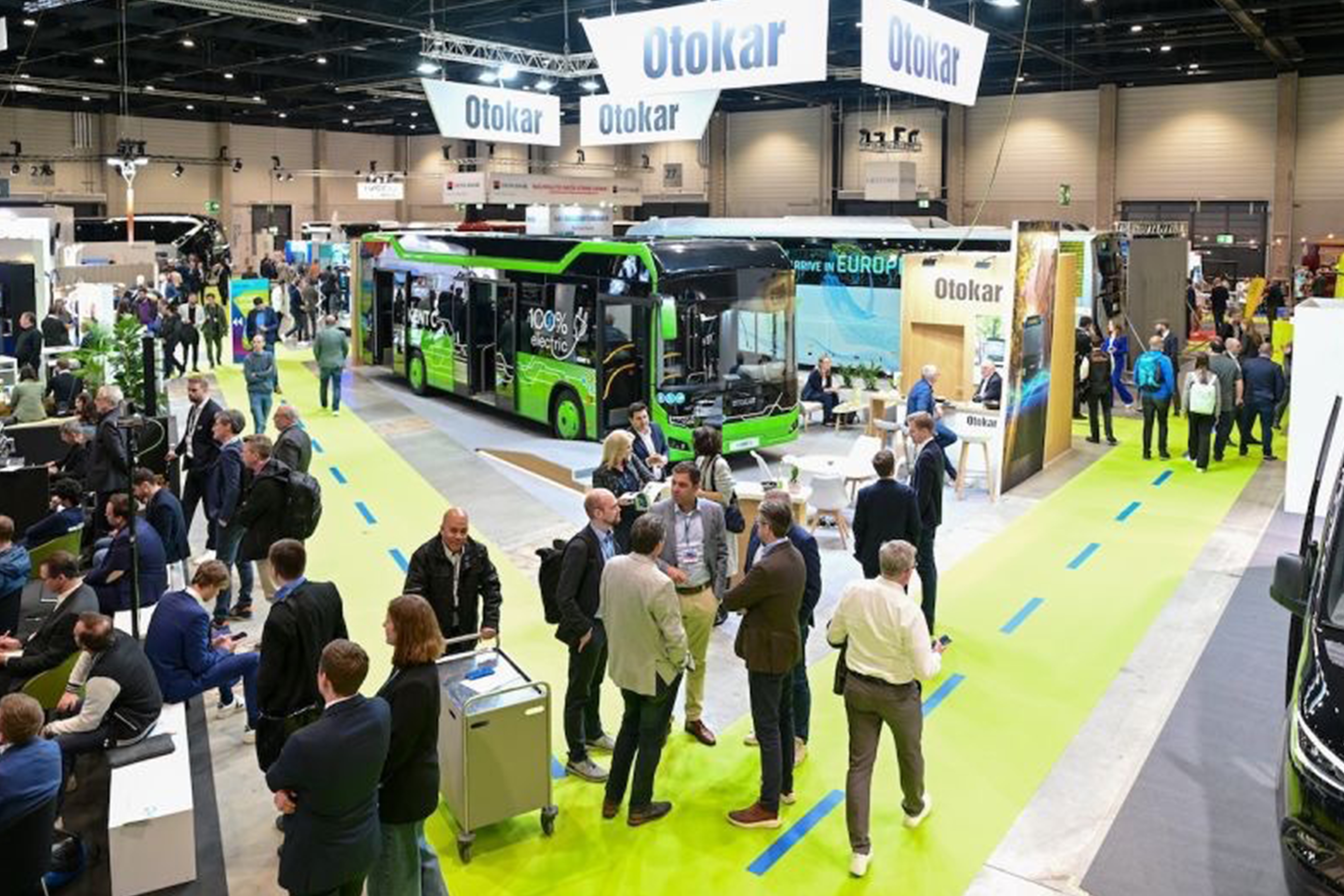
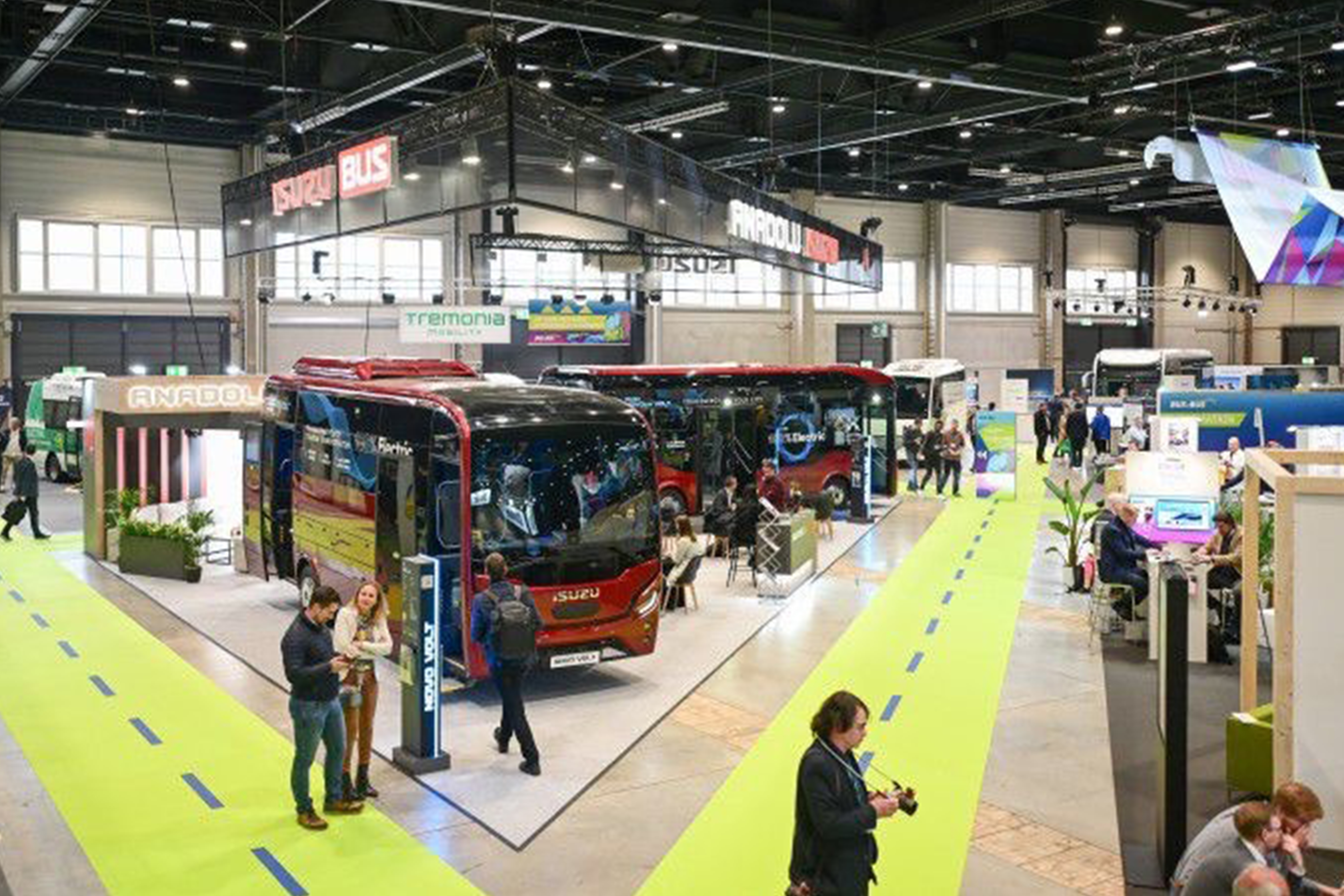
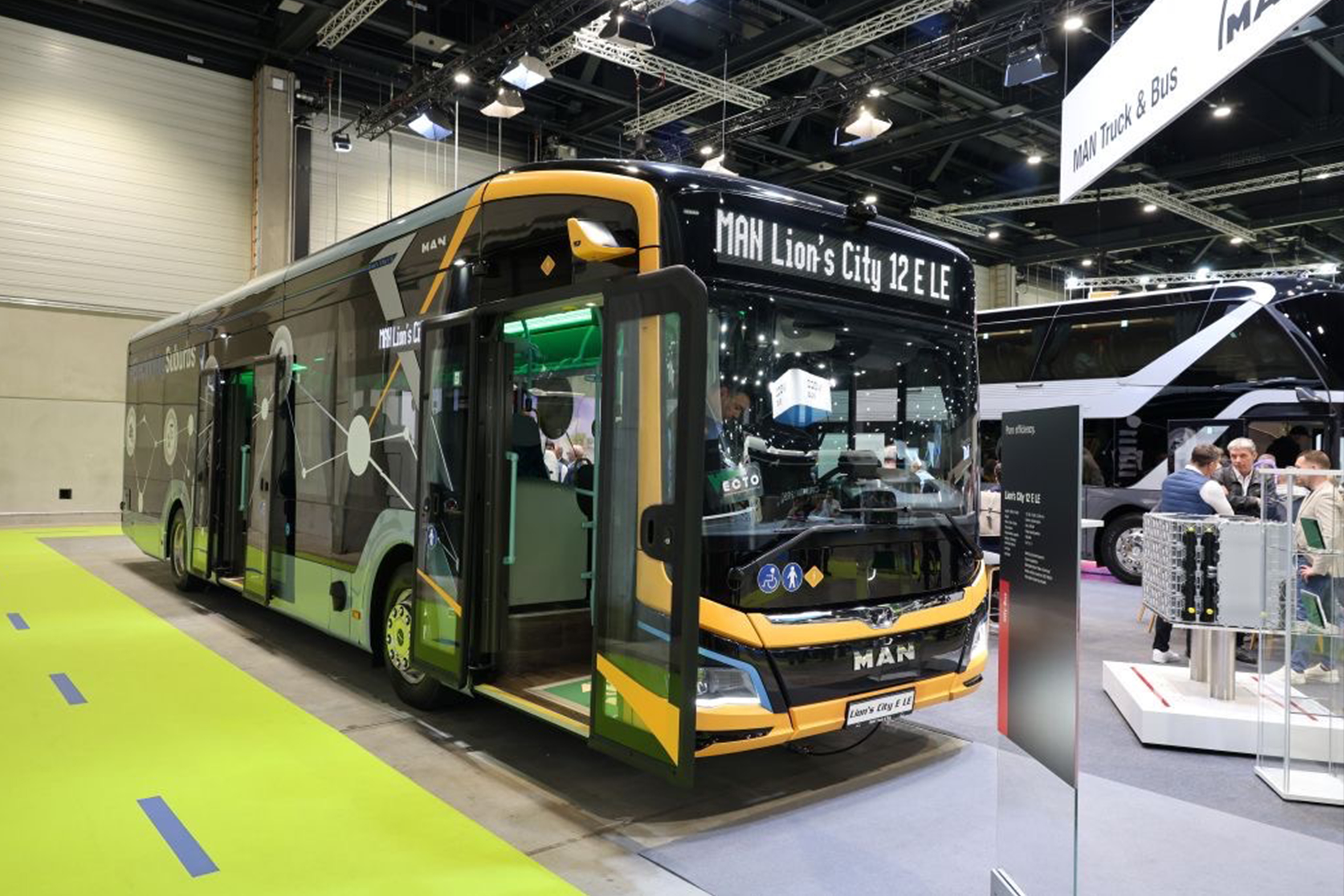
Held in Berlin on 15–16 April 2026, the fifth edition of the biennial event brought together policymakers, operators and industry stakeholders from across Europe. With more than 150 exhibitors from 25 countries, over 3,000 professional visitors and 60 buses on display, the event confirmed its growing importance as a leading platform for the bus and coach sector, combining an industrial showcase with high-level political dialogue.
The exhibition and conference programme showcased the full spectrum of industry developments, from vehicle technologies and digital solutions to new mobility concepts. At the same time, discussions focused on the sector’s key challenges, including rising energy costs, driver shortages, regulatory complexity and the transition to alternative powertrains.
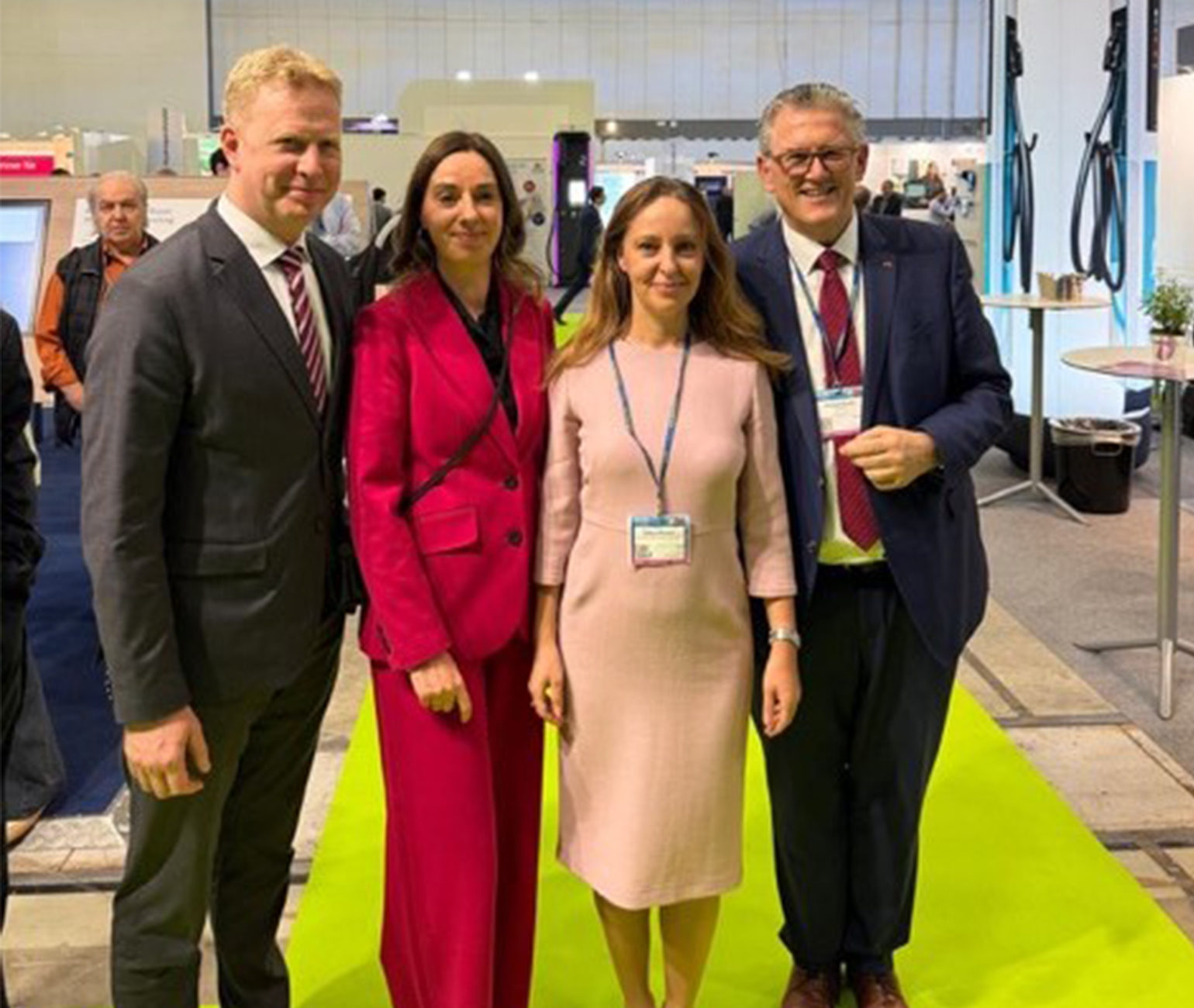
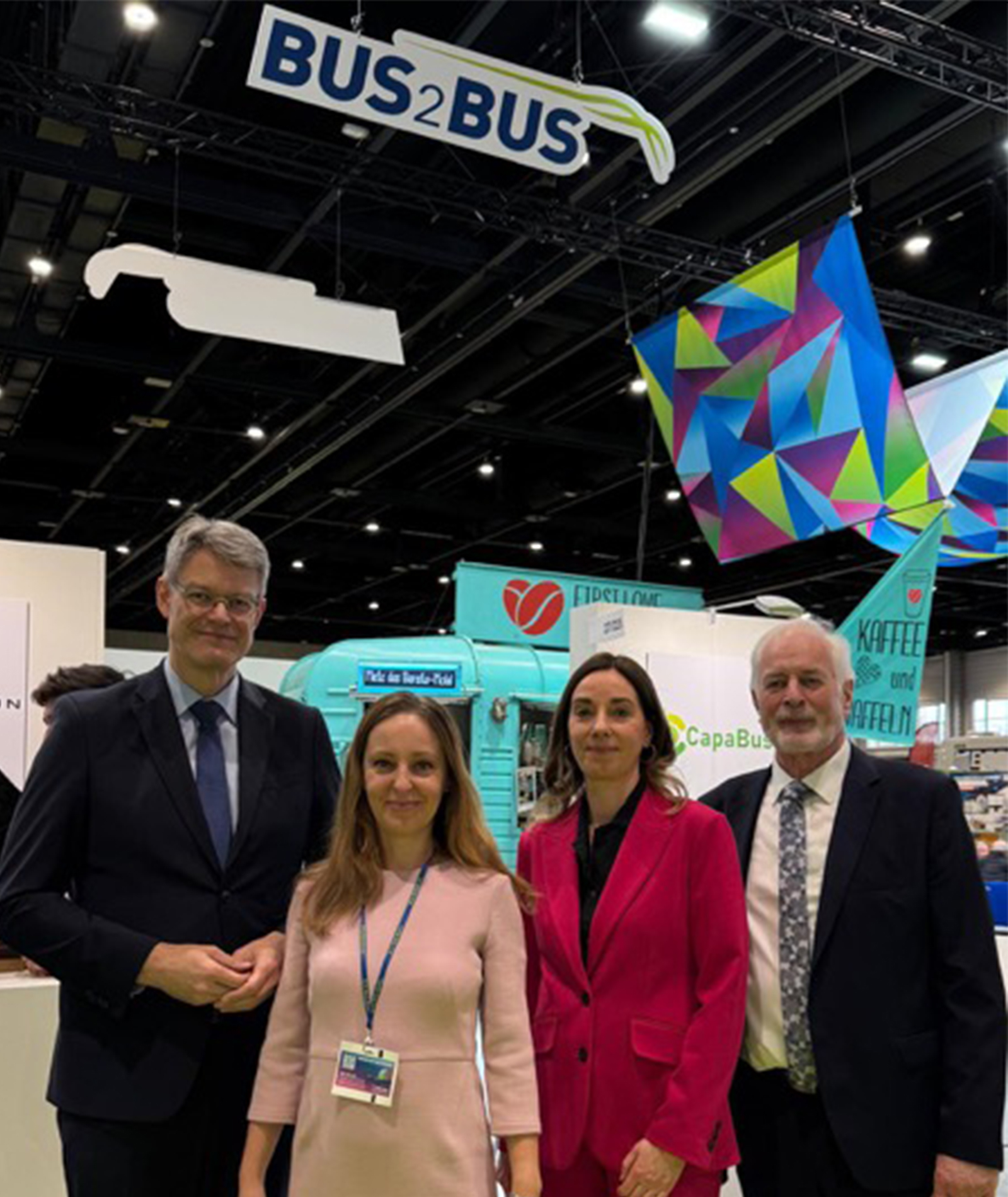
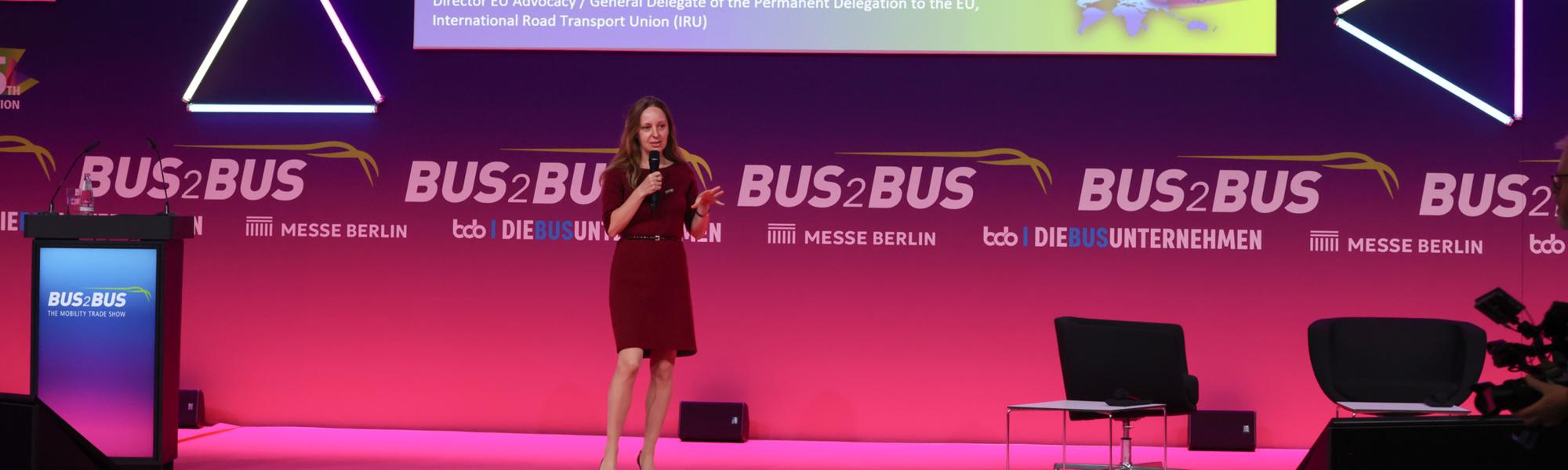
IRU EU Advocacy Director Raluca Marian said, “BUS2BUS has further strengthened its role as an important meeting point for policymakers and industry. IRU welcomed the opportunity to contribute by bringing the EU policy perspective into the discussion and assessing how rules are working in practice across Member States.
“The role of BDO and the leadership of its Managing Director Christiane Leonard have been instrumental in reinforcing the event’s political dimension and overall success.”
Organised with IRU’s German member, the Federal Association of German Bus and Coach Operators (BDO), BUS2BUS 2026 further confirmed its role as a key meeting point for the bus and coach sector, bringing national and EU policymakers into direct dialogue with industry stakeholders.
At the heart of the event, discussions focused on how EU rules are applied in practice, the burden they create and the need for greater consistency across Member States, with the BDO political talks serving as a central forum for these exchanges.
IRU brought the EU perspective into the debate, highlighting how current developments are shaping operators’ day-to-day reality, from driver shortages and rising fuel costs to the transition to zero-emission fleets. This engagement extended to exchanges with policymakers during an official visit with Members of the German Parliament and Federal Minister for Digital and Transport Patrick Schnieder.
The dialogue continued across the event, from the Partner Stage to the exhibition floor, where policymakers and companies interacted along the value chain, supported by networking formats such as the Future Night.
BUS2BUS 2026 was a key meeting point for the sector, combining an industrial showcase with policy debate and direct dialogue. At a time of rapid transition, such platforms remain essential to connect policy with operational realities and support workable solutions for operators.
The next edition will take place from 4 to 6 April 2028.