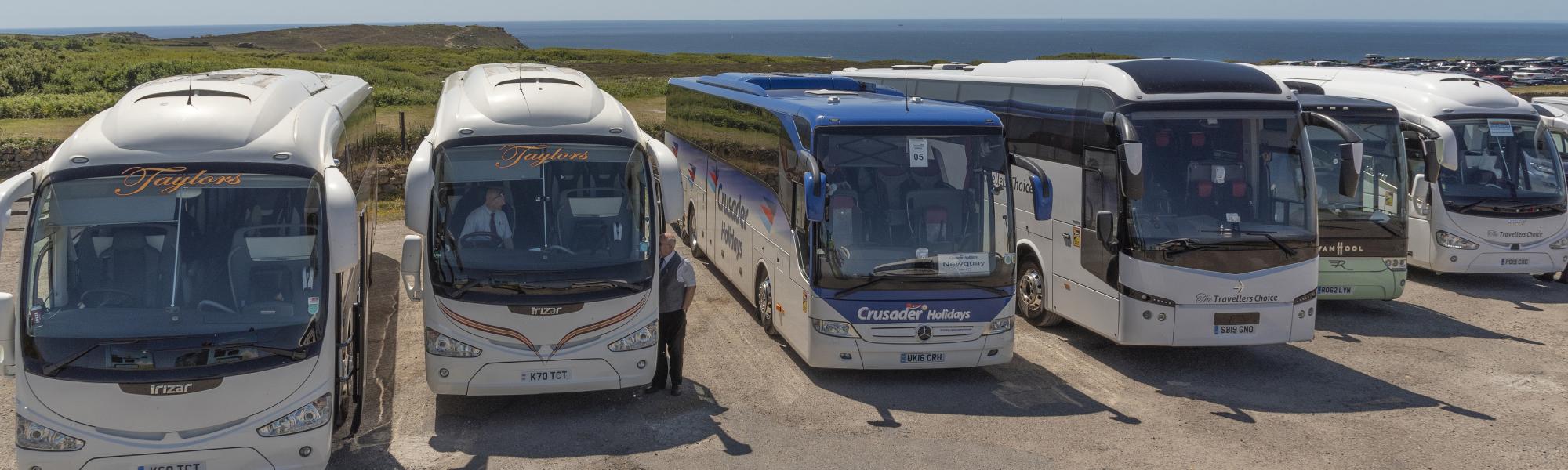
The UK seeks to better integrate coach services into local transport strategies and the wider mobility system, in line with advocacy by IRU member the Confederation of Passenger Transport (CPT).
- Officials are now expected to include coaches in transport planning
- Adequate infrastructure and access conditions are often lacking for coaches
- The challenges are not limited to the UK
Under new guidance introduced by the UK government, local authorities are expected to consider the needs of coaches in their transport planning, from assessing demand to ensuring adequate parking, pick-up and drop-off facilities, and appropriate access. The development follows sustained advocacy by CPT.
For the coach sector, this addresses a long-standing structural challenge. Across Europe, coaches often face deteriorating infrastructure and increasingly constrained access conditions, despite their key role in connecting cities, regions, airports and tourism destinations. In many urban areas, the lack of designated parking and access points leads to operational inefficiencies, delays and reduced service attractiveness.
By encouraging authorities to plan for coaches as part of the local transport system, the UK approach begins to address these constraints. It provides operators with more predictable operating conditions and creates a framework to support service development and improve connectivity.
The measures form part of a broader effort to better integrate buses, coaches, rail and other modes, recognising coaches as an essential component of the mobility network.
The development reflects key challenges also addressed by IRU at EU level, including through its work in the Expert Group on Urban Mobility, notably on coach access, infrastructure and integration into urban systems.
For EU cities and policymakers, the UK approach offers a relevant reference point. Its implementation will be closely monitored to assess how clearer planning requirements translate into improved operating conditions and more effective integration of coach services into urban mobility systems.