At a recent logistics conference in Sarajevo, Bosnia and Herzegovina, IRU highlighted how digitalisation, AI and regulatory harmonisation can improve road transport efficiency and competitiveness, while stressing the need to make technological advances accessible to operators of all sizes.
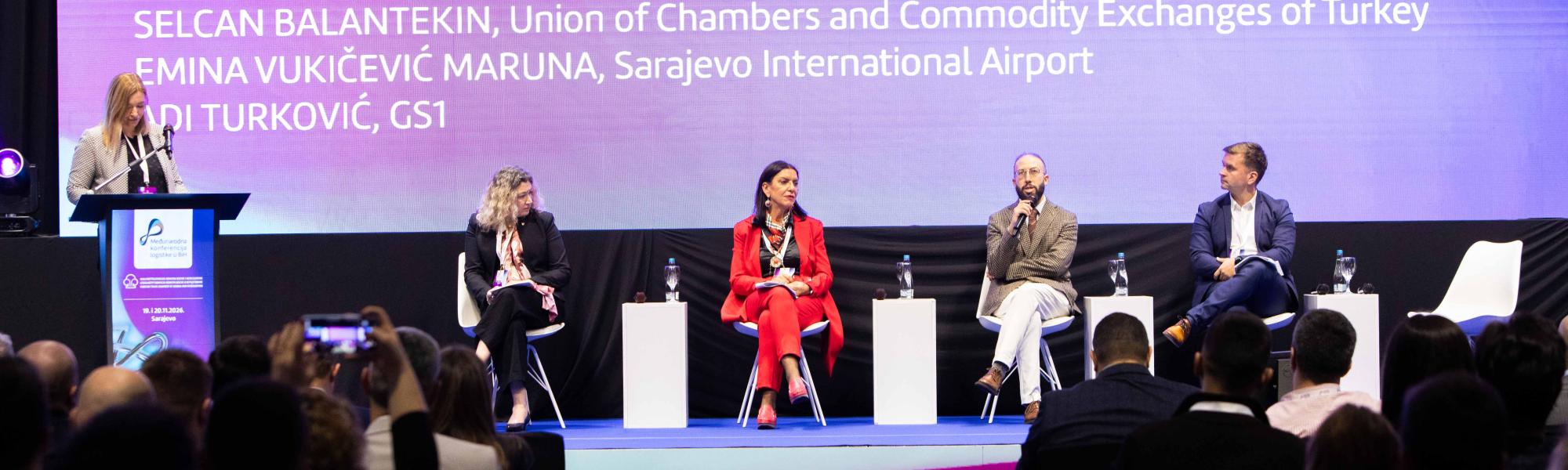
The 4th International Logistics Conference, organised by the Foreign Trade Chamber of Bosnia and Herzegovina, brought together policymakers, industry representatives and international experts to discuss the future of transport and logistics.
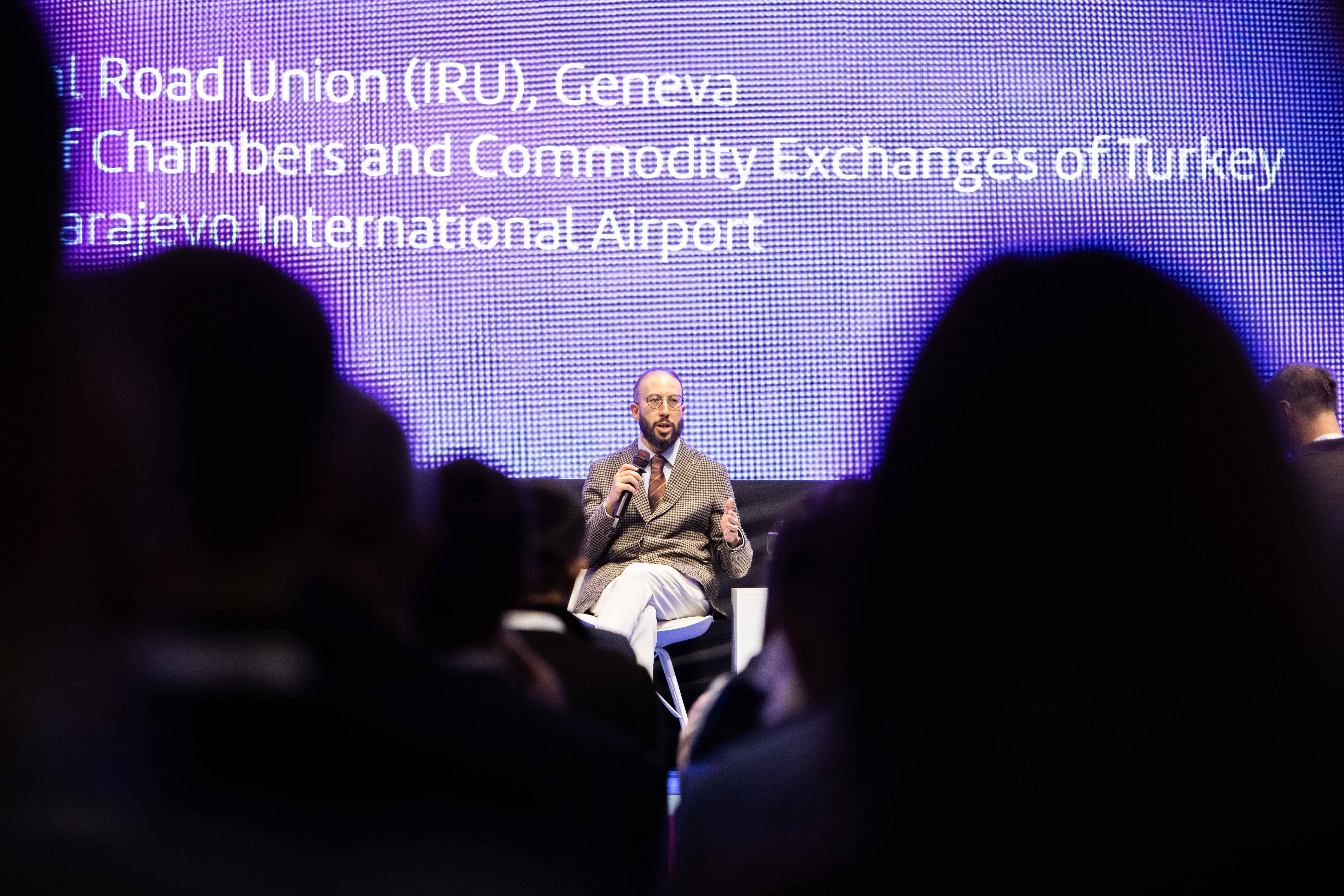
IRU Technical Affairs Adviser Hamza Guirrou participated in two panel discussions, sharing the road transport industry’s perspective on digital transformation, emerging technologies and operational challenges.
Harnessing digitalisation and AI
Digitalisation and AI offer significant opportunities to reduce operational costs, simplify administrative procedures and strengthen supply chain resilience.
However, several challenges remain. These include ensuring interoperability between national systems, securing mutual recognition of digital documents and electronic signatures, and addressing cybersecurity risks.
At the operational level, AI is already supporting fleet optimisation, predictive maintenance, energy efficiency and logistics planning.
Its wider adoption, however, depends on overcoming barriers such as limited access to vehicle data, high implementation costs and digital skills gaps.
“For digital solutions to deliver practical benefits for transport operators, we need international cooperation and regulatory harmonisation,” said Hamza Guirrou.
Making innovation accessible
Road transport operators are facing mounting pressures, from rising costs and regulatory complexity to geopolitical disruptions and persistent driver shortages.
Small and medium-sized enterprises, which account for the vast majority of road transport companies, face particular challenges in investing in new technologies and adapting to evolving regulatory requirements.
“The success of this transformation should not be measured by how advanced our technologies become, but by how accessible they are to the entire industry, regardless of company size,” said Hamza Guirrou.
“We need technology-neutral policies, harmonised regulatory frameworks and practical support to enable operators to adopt solutions suited to their operational and financial circumstances,” he added.
IRU works with its members, policymakers and technology providers to ensure that digital transformation contributes to a more competitive, sustainable and resilient road transport sector.