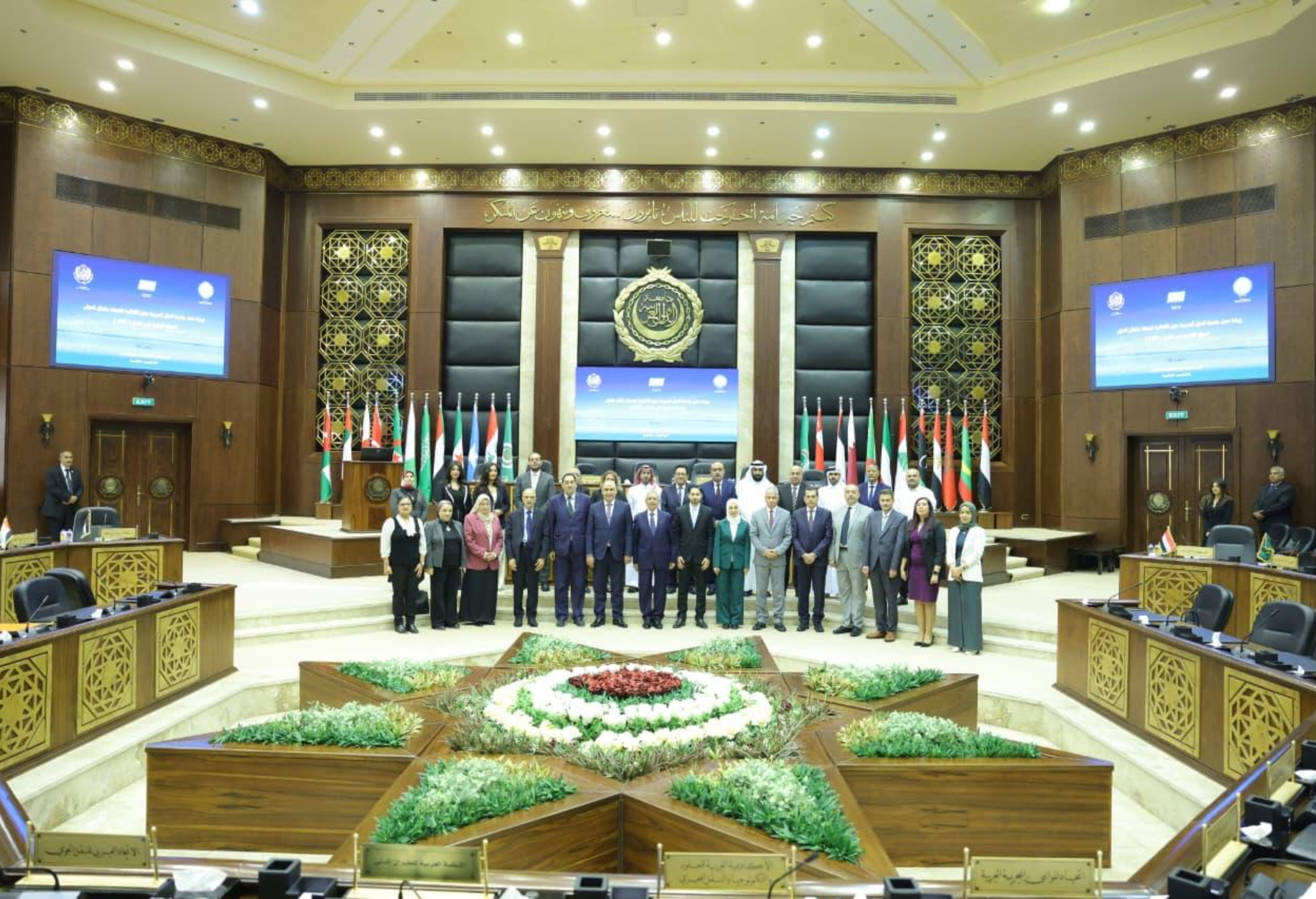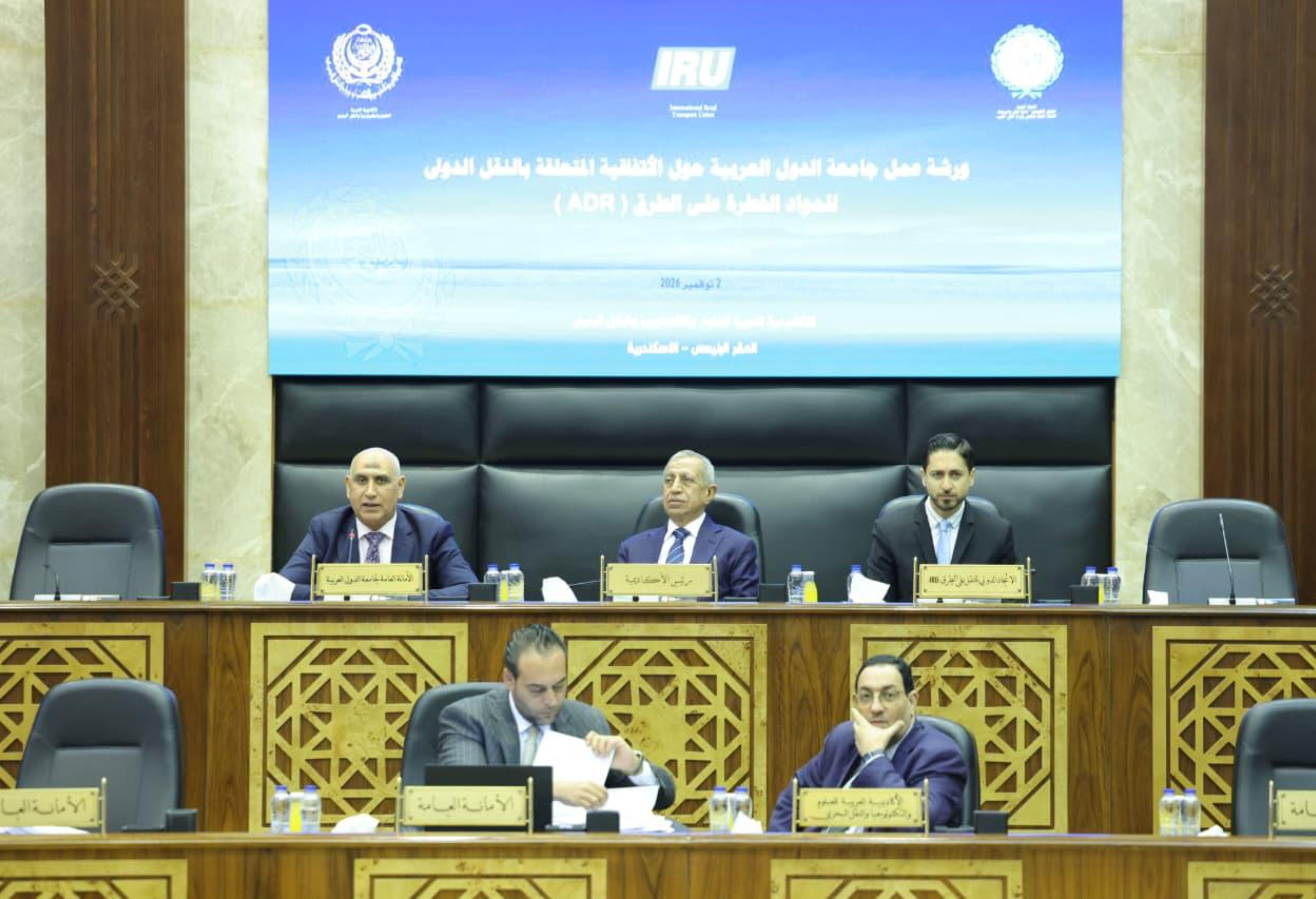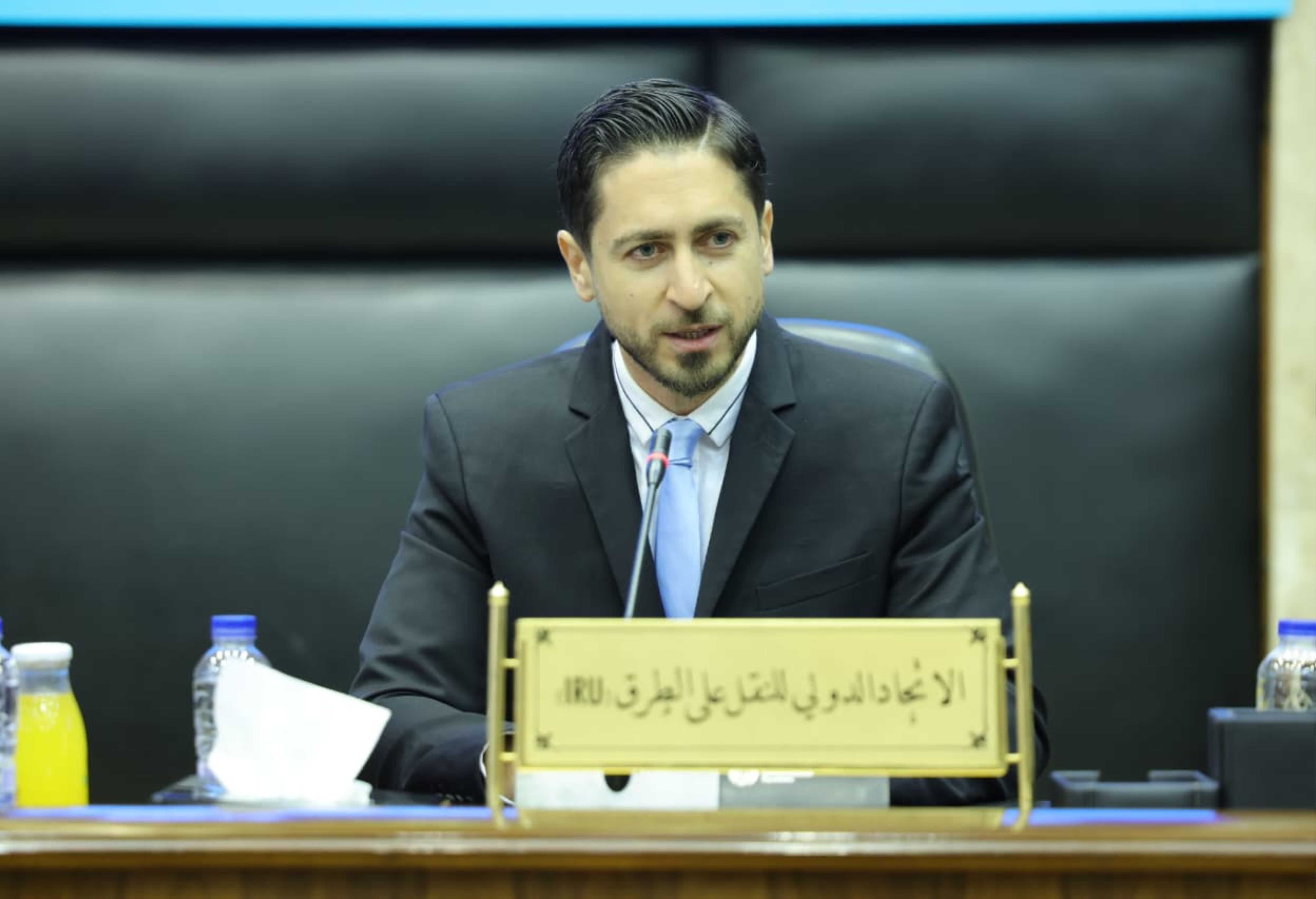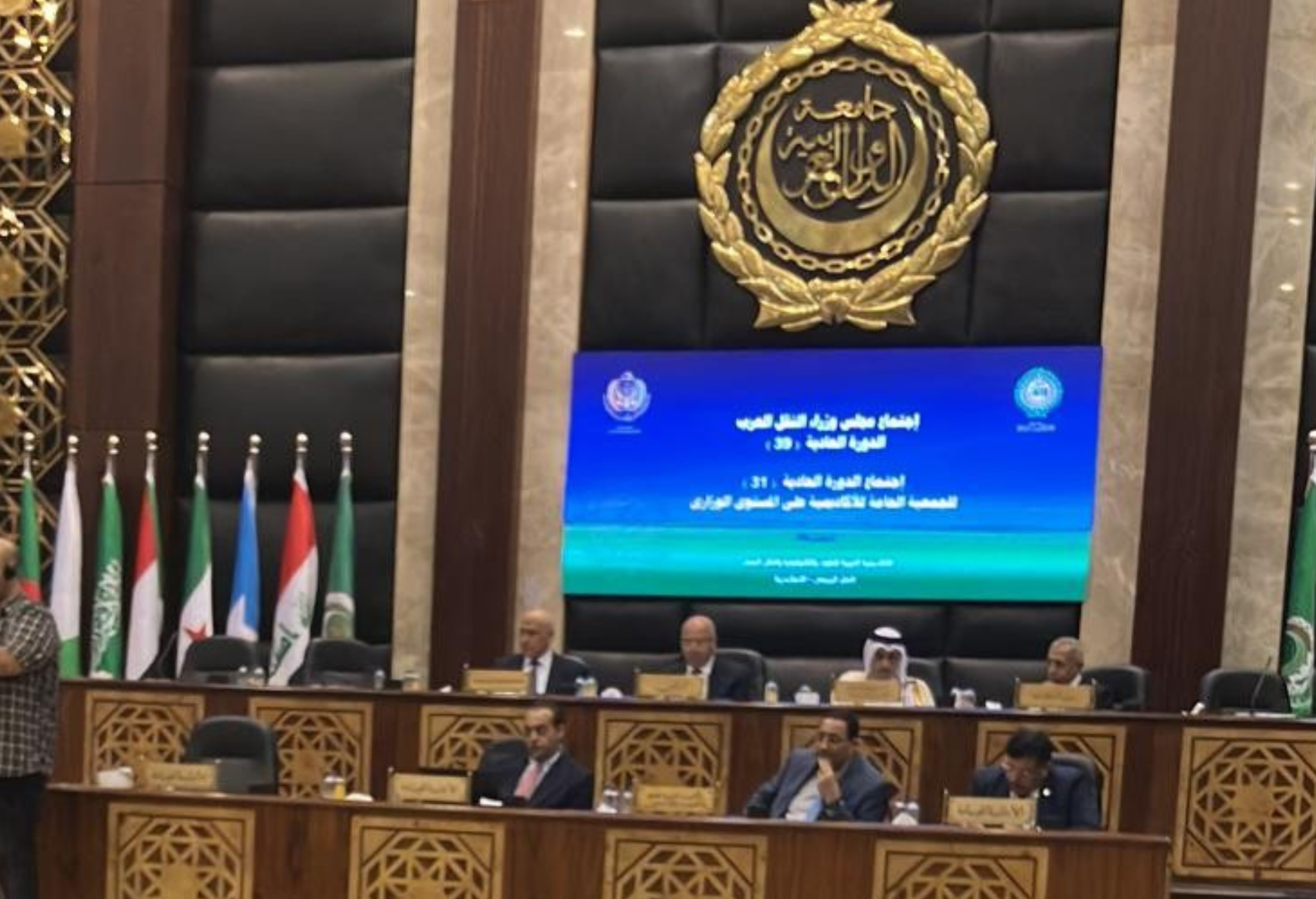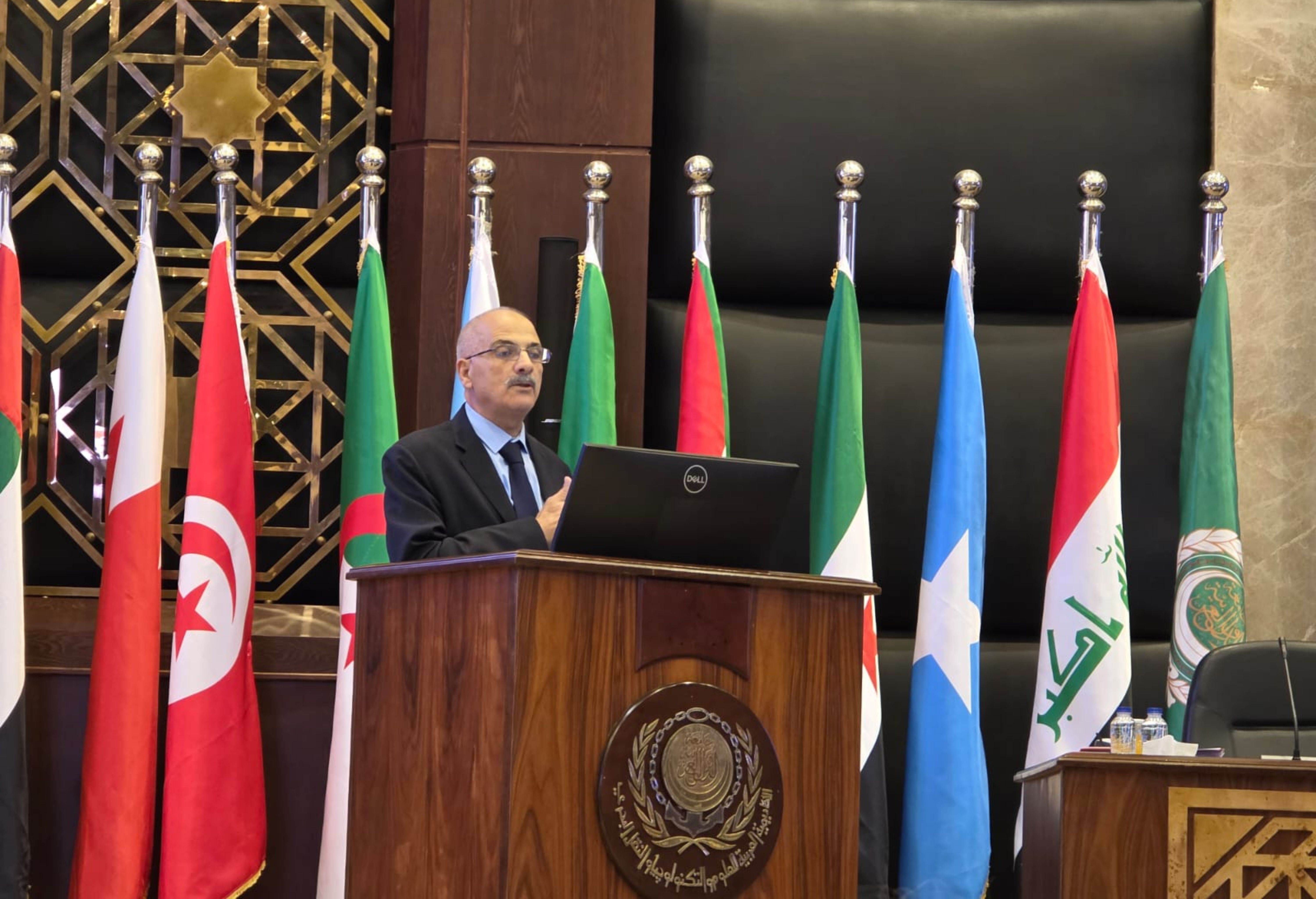
During the 39th summit in Alexandria, the Council of Arab Transport Ministers unanimously adopted the IRU-proposed ADR protocol, harmonising procedures for the transport of dangerous goods by road across all 22 Arab League member states.
The absence of a harmonised process for the transport of dangerous goods puts people and the environment at significant risk.
The League of Arab States' timely adoption of the IRU-developed ADR protocol came as a direct response, paving the way for the harmonisation of procedures based on internationally recognised standards across the Arab region.
The protocol, aligned with the United Nations ADR agreement, aims to improve road safety, reduce risks and strengthen security measures to prevent misuse. It will also strengthen regulatory frameworks, establish professional qualification requirements for key industry actors, and promote environmental responsibility.
The ADR agreement, established in 1957, sets international standards for the classification, packaging and transport of dangerous goods. It has been adopted by 54 countries.
In partnership with the United Nations Economic Commission for Europe, IRU worked with ADR’s founding contracting parties to conceive, draft and develop the agreement, while also raising awareness and supporting its implementation in commercial road transport services.