
The Convenience Express initiative shows how digitalisation, flexible services and coordinated branding can modernise intercity coach transport. Passenger numbers have risen significantly, with some routes increasing more than tenfold. Even some previously discontinued routes have been revived.
China is pioneering a new approach.
Led by IRU member the China Road Transport Association (CRTA), the “Convenience Express” brings together road passenger transport companies under a common service model based on digitalisation, multiple stops, frequent services, high-capacity services and affordable fares.
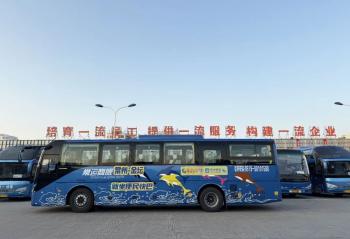
The initiative was recently selected by China’s Ministry of Transport as one of 13 examples of how customised passenger transport can help transform road passenger services.
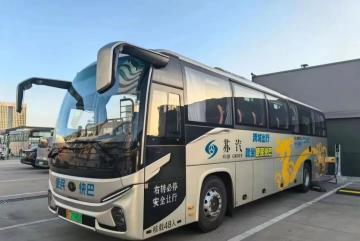
At its core is the use of data to adapt services more closely to passenger demand.
Operators draw on historical passenger volumes, travel flows and timing data to identify customer groups, select stop locations and adjust routes and timetables.
Digital platforms also integrate ticketing, route information and partner services, while passengers can benefit from real-time vehicle tracking, information on stops, digital invoices and more flexible refund and rebooking arrangements.
Bringing passengers back
The model is already being deployed at scale.
Since April 2025, CRTA has worked with passenger transport companies to develop the Convenience Express brand across their local markets. It has now been introduced in 27 provincial-level regions, involving more than 300 passenger transport companies and over 1,000 scheduled bus routes.
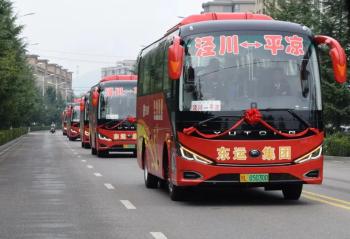
In some cases, the approach has helped revive routes that had disappeared altogether.
The Chengdu–Chongqing service resumed operations on 26 June after being suspended for seven years. Following its relaunch under the Convenience Express model, the route has carried an average of more than 1,500 passengers per day, with an average occupancy rate above 80%.
Other routes have recorded similarly strong gains.
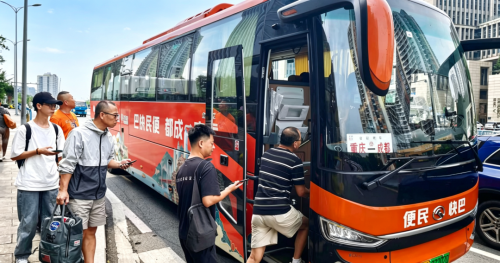
Passenger numbers on the Guiyang–Duyun route increased more than fivefold following its customised upgrade, while its average load factor rose from below 20% to over 86%. Services linking Chongqing with Changshou, Nanchuan and Wansheng saw fares fall by 40% on average while passenger numbers increased by more than 50%.
On the Anshan–Shenyang route, daily passenger numbers have risen from fewer than 200 to 1,500. Meanwhile, Gansu Tianjia Transport Group reports that load factors across its 15 Convenience Express routes have gone from below 50% to above 70%, while operating costs per vehicle have fallen by 15%.
A model for modern coach services
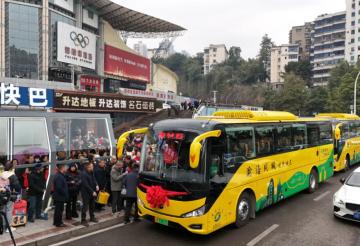
Across routes using the Convenience Express brand, passenger numbers have risen by more than 30% on average, with the strongest-performing routes recording increases of more than tenfold.
The results underline how digitalisation and more flexible service design can help traditional scheduled coach services respond more closely to changing travel patterns.
By combining better use of data with attractive fares, stronger branding and more convenient services, the initiative offers a clear example of how to strengthen intercity connectivity.