


What we do

IRU is the trusted voice for mobility and logistics, upholding the interest of bus, coach, taxi and truck operators as well as the broader mobility and logistics industry.

IRU promotes and enhances cooperation between the industry and decision-makers, helping facilitate trade and build prosperity.
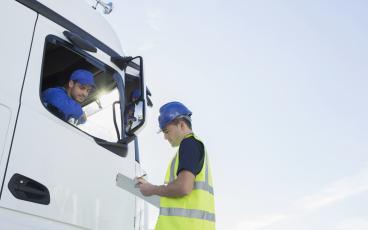
IRU champions excellence in road transport through international certification standards that create real competitive advantage.
Highlights

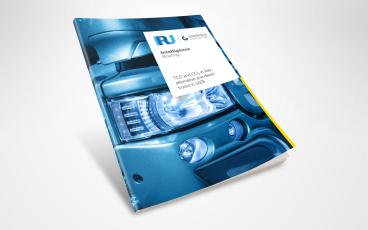





Latest news
Global | Brussels
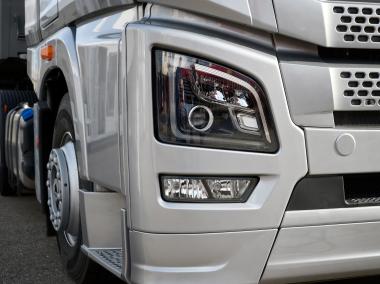
IRU brings OEMs and operators together to advance vehicle data access
Road transport operators need effective access to the data generated by the vehicles they own, lease and operate. But how can this be achieved while protecting manufacturers’ intellectual property and maintaining cybersecurity and vehicle safety?
17 Sep 2026 · Innovation

EU | Geneva
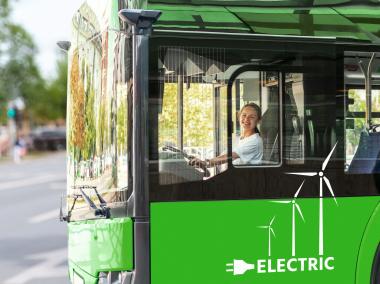
IRU and EMTA call for workable Buy European rules for electric buses
IRU and the European Metropolitan Transport Authorities (EMTA) are urging the Irish Presidency and Members of the European Parliament (MEPs) to fix key provisions in the Industrial Accelerator Act's proposed “Buy European” rules for electric vehicles. They warn that the current approach risks forcing working electric buses off the road and penalising public transport operators and authorities that bought them in good faith.
17 Sep 2026 · Environment
EU | Brussels
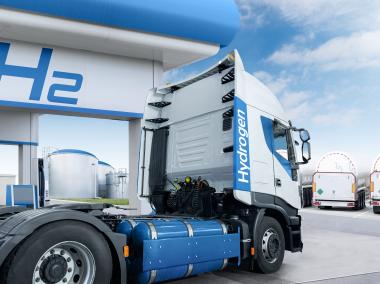
Hydrogen scale-up conditions in focus at H2Accelerate TRUCKS event
IRU recently hosted the first meeting of the H2Accelerate TRUCKS Fuel Cell End User Group, bringing together 70 experts from Europe’s hydrogen and transport industries. Their focus: moving hydrogen trucks from pilot deployments to commercial scale.
16 Sep 2026 · Environment

Türkiye | Ankara
Ankara hosts key road transport, trade and customs talks
More than 30 delegates from 16 countries gathered in Türkiye for IRU’s Commission on Customs Affairs (CAD), putting emerging trade corridors, stronger regional connectivity and eTIR deployment at the centre of discussions.
16 Sep 2026 · Prosperity

EU | Brussels
IRU welcomes EU move towards simpler digital fair labour mobility rules
IRU welcomes the European Commission’s Fair Labour Mobility Package published today, in particular its drive to digitalise social security and qualification procedures, improve interoperability between EU systems, and reduce the recurring administrative burden of cross-border labour mobility which falls disproportionately on small and medium sized firms, of which the vast majority of road transport operators are.
15 Sep 2026 · People
Our network
